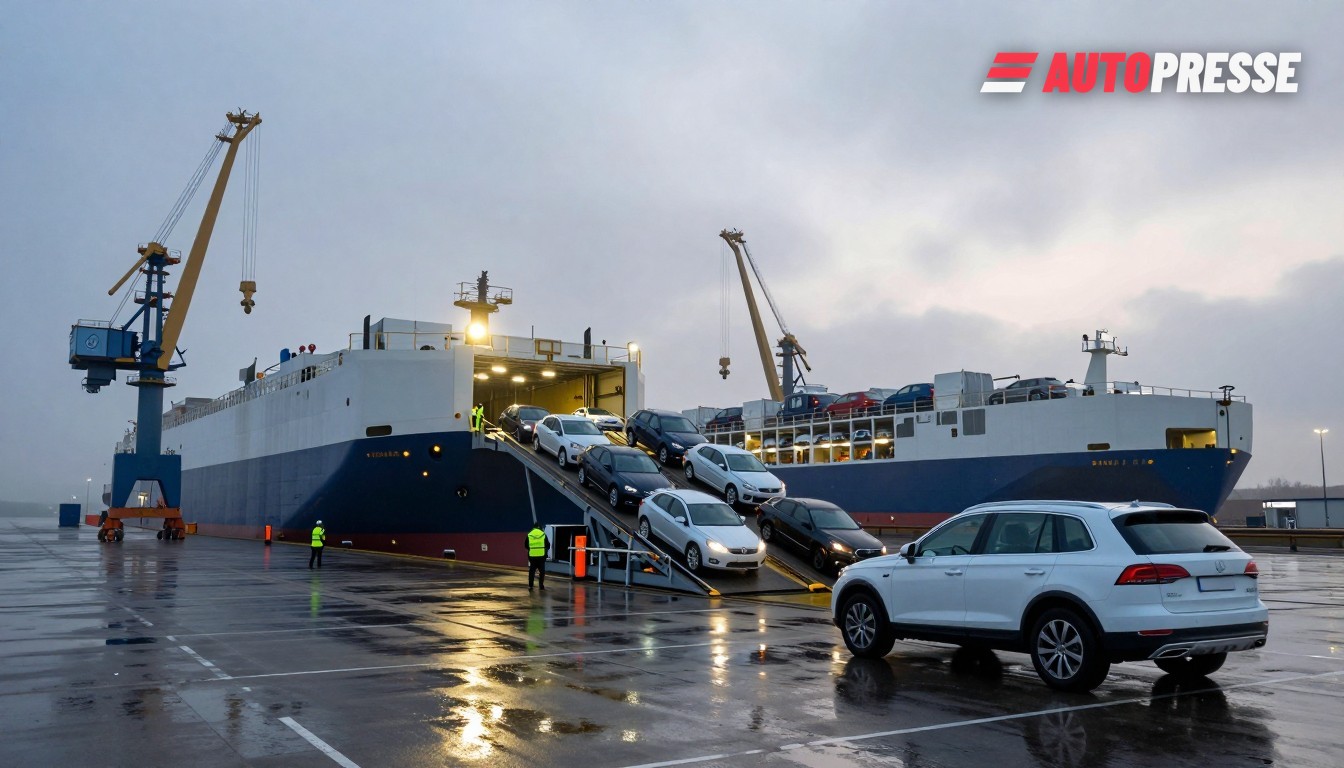
Germany’s passenger‑car market returned modest growth in October: 254,492 new passenger cars were registered, a rise of 1.7% versus October 2025, driven largely by private buyers. That shift contrasts with a clear slowdown among commercial and fleet registrations, which fell month‑on‑month and year‑on‑year in several segments.
Private demand up, commercial demand soft
KBA breakdowns and market analyses show private registrations climbed strongly in October (private‑holder share rising toward the 40% range), while registrations by commercial holders declined — KBA figures for October report an 8.2% drop in gewerbliche (commercial) new registrations. The SUV and small‑car segments led private demand, even as some fleet categories (short‑term rental, company fleets) held back orders.
At the same time, several commercial vehicle categories recorded mixed results: buses, tractors and heavy trucks reported double‑digit percentage moves in October, but the overall pattern for business buyers is one of caution and selective replacement rather than broad expansion. Fleet managers cite total cost pressures and longer decision cycles.
Austria: light‑commercials and electrification push
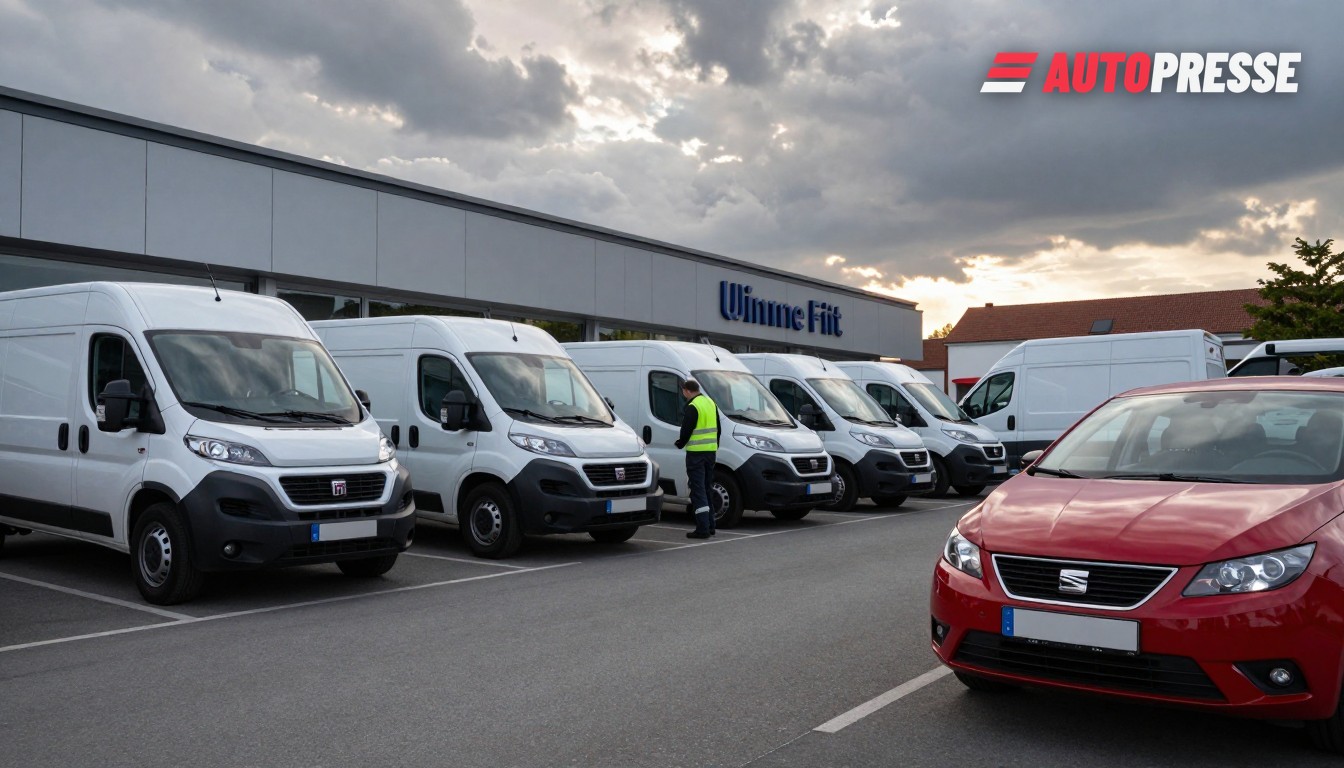
In Austria the market dynamic is tilted toward light commercial vehicles (N1): Statistik Austria and manufacturer sales data show a year‑to‑date rise in light‑commercial registrations, and several brands posted strong month‑on‑month gains (Fiat Professional, Opel Professional among them). At the same time logistics operators are beginning small but visible electrification pilots: Quehenberger Logistics plans to expand its Austrian e‑truck fleet to 24 vehicles by end‑2026, supported by national ENIN grants.
What this means for the market
Rising borrowing costs are the clearest brake on private‑buyer momentum turning into a broad year‑end rally. German and European lending curves pushed consumer loan rates materially higher through 2026: the Bundesbank and market trackers report that representative consumer‑loan and ratenkredit rates have risen into the high single digits (mid to upper 7–9% range for many measures), and many retail lenders have adjusted pricing accordingly. That increases monthly finance costs for new cars and shortens the pool of buyers willing to step up to larger or higher‑trim models.
For dealers and manufacturers the split market requires two strategies: accelerate retail‑facing offers (shorter delivery times, competitive financing, targeted private promotions) while making fleet propositions far more cost‑transparent and flexible (longer‑term leasing, aligned TCO tools, and staged electrification pilots). In Austria, growth in light‑commercial and early e‑truck programmes means workshop and charging capacity for commercial operators will be a near‑term priority.
Expect market activity to remain uneven into December: manufacturers with delivery readiness for private buyers will benefit from the current demand pull, while those dependent on large fleet contracts may see volumes slip until financing conditions or corporate budgets ease.
WorldTrader24 B2B vehicle marketplace for dealers and fleet managers →
Sources: Kraftfahrt‑Bundesamt (KBA), Statistik Austria