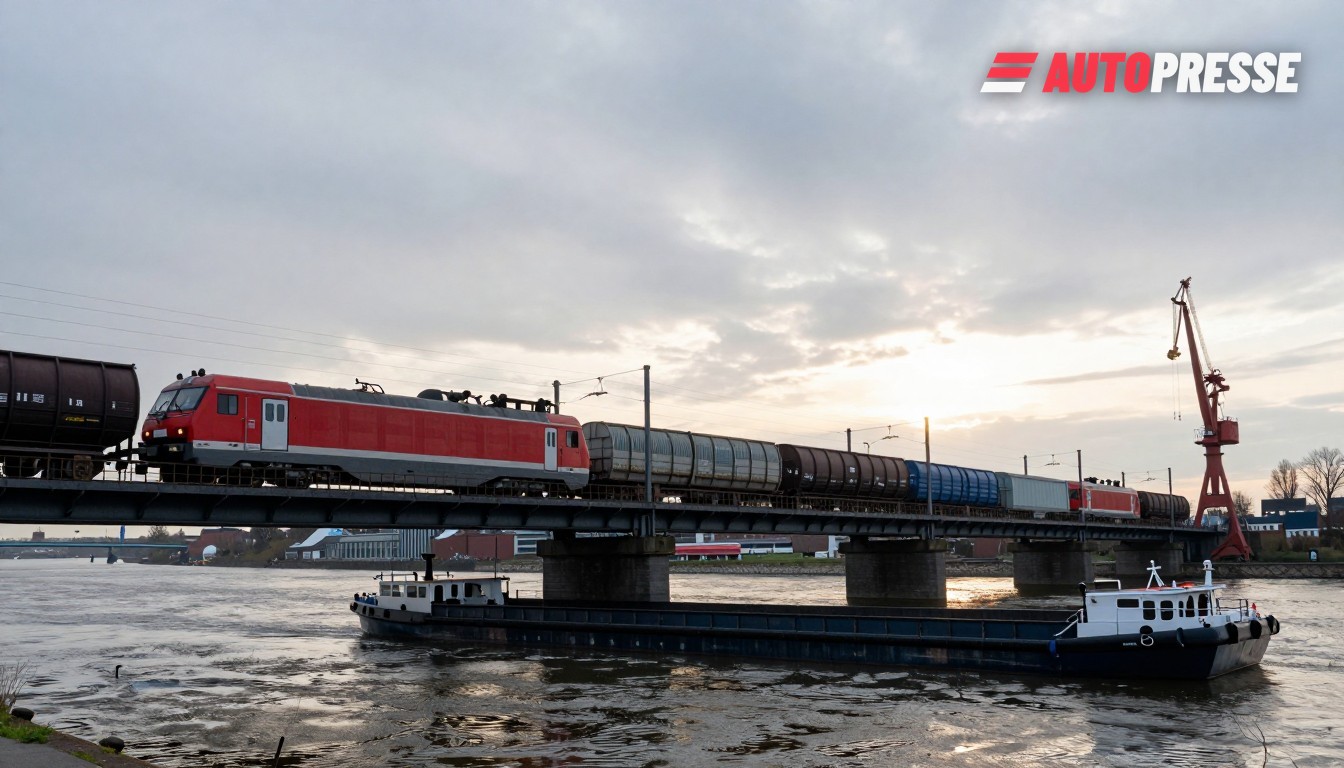
Germany and Austria’s freight networks are feeling the squeeze this autumn: a cross‑border rail declaration signed on 10 November 2026 promises capacity fixes, but a German industry analysis shows only 34 kilometres of net new or upgraded track scheduled for 2026 — underscoring a widening gap between political pledges and the physical rail and waterway capacity shippers need. This matters for drivers, fleets, dealers and plant supply chains across both countries: delays and modal bottlenecks push costs, reroute trucks onto already‑stressed roads and raise prices for manufacturers and consumers alike.
Cross‑border rail: a declaration — and a short runway
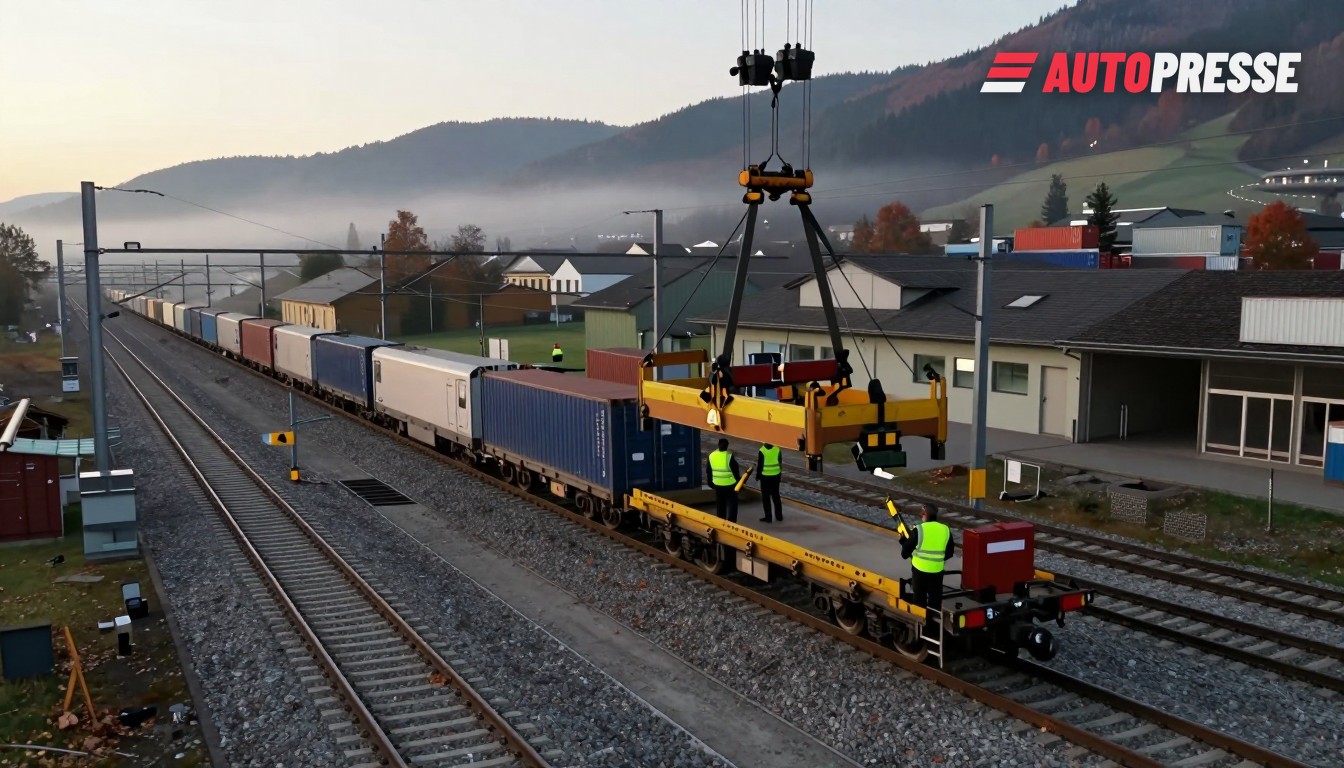
On 10 November 2026 Germany and the Netherlands signed a joint declaration to deepen rail cooperation — from coordinated ERTMS roll‑out to plans for more 740‑metre freight trains and improved capacity on corridors such as Emmerich–Oberhausen. Working groups and annual reviews by ProRail and DB InfraGO are now slated to translate the document into concrete capacity projects. For Germany’s car and supplier industry, the declaration is helpful — but it arrives against a stark statistic: the Association of Private Freight Railways reports that only 34.3 km of new or upgraded lines will enter service in Germany in 2026, down from 44 km in 2025 and 48.2 km in 2024. That mismatch frames the immediate challenge: ambitious cross‑border aims, but a narrow domestic delivery window.
Waterways: fleet renewal and political leverage
Meanwhile inland shipping interests have formed an Allianz Wasserstraße (Waterway Alliance) and on 14 October 2026 set out a “Waterway Agenda 2035” that demands faster modernisation of locks, weirs and fairways and a targeted fleet renewal. The alliance says Germany needs 250–300 vessels built for low‑water operation and future fuels and calls for a dedicated “Fleet Renewal Program Inland Navigation 2035”. The group points to more than two billion euros in coalition funding earmarked for maintenance and expansion by 2027 — but warns this must be converted into fast, clustered projects rather than slow, piecemeal works. For exporters and OEM suppliers in Germany and Austria, that is a direct call to avoid another low‑water season that would again throttle bulk flows.
Port authorities have already begun local upgrades: the Hamburg Port Authority this autumn reported fairway improvements that lift allowable draughts on the Tideelbe to 13.80 metres for certain non‑tidal container ships, a reminder that deeper, safer fairways reduce rerouting and supply risk. But industry groups say broader, coordinated investment is still missing.
What this means for the market
Short term: manufacturers, fleets and dealers should expect continued modal friction. Limited incremental track length in 2026 and under‑renewed inland fleets raise the probability of capacity‑driven price spikes for bulk goods and parts — which flows through to production schedules and dealer delivery times. Medium term: the Netherlands–Germany rail declaration and the Waterway Alliance’s demands are tools to unblock capacity, but only if federal, state and private budgets turn pledges into clustered projects and new low‑water vessels fast. Companies that plan multimodal redundancy — alternative rail paths, pre‑positioned inventory near ports, and flexible shipping contracts — will be best placed to avoid disruption. Finally, DB Cargo’s restructuring remains an open risk for rail reliability: unions and the EU‑imposed restructuring timetable mean operators and shippers must monitor negotiations closely.
B2B vehicle marketplace for dealers on WorldTrader24 →
Sources: LOGISTIK HEUTE, Aviation24 / NewsBrainport, Hamburg Port Authority (Tideelbe)