Germany and Austria are carving different but complementary paths through the EV transition: German industry is investing heavily in semiconductors and software platforms, while Austria is concentrating on battery collection, recycling and second‑life value chains. That split matters to drivers, dealers and suppliers—affecting vehicle features, repair skills and where jobs and investment land.
Germany: chips, software‑defined vehicles and factories
In Munich on 4 November 2026 Infineon announced the AURIX RC1 family — the company’s first automotive MCU platform built on RISC‑V — and said it will target sample deliveries in the first half of 2027 as part of a broader push to serve software‑defined vehicles (SDV).
That chips‑first strategy sits alongside major software and compute deals: Volkswagen Group signed a Letter of Intent with Qualcomm on 8 January 2026 to use Snapdragon Digital Chassis system‑on‑chips for infotainment and zonal SDV architectures, with initial deployments planned from 2027.
At the same time Germany remains a production battleground. Tesla announced a multi‑billion‑euro plan to expand its Gigafactory at Grünheide near Berlin in mid‑November 2026, including additional battery cell production that Tesla says should begin ramping from mid‑2027; German coverage put the announced package at roughly €3 billion and the site expansion could create several thousand jobs according to company statements and reporting.
Austria: collection, recycling and second‑life scaling
Austrian public‑private projects show a different focus: the federal Automobil‑Cluster highlighted the BattBox recycling initiative as a June 2026 success that deepened domestic recycling value chains.
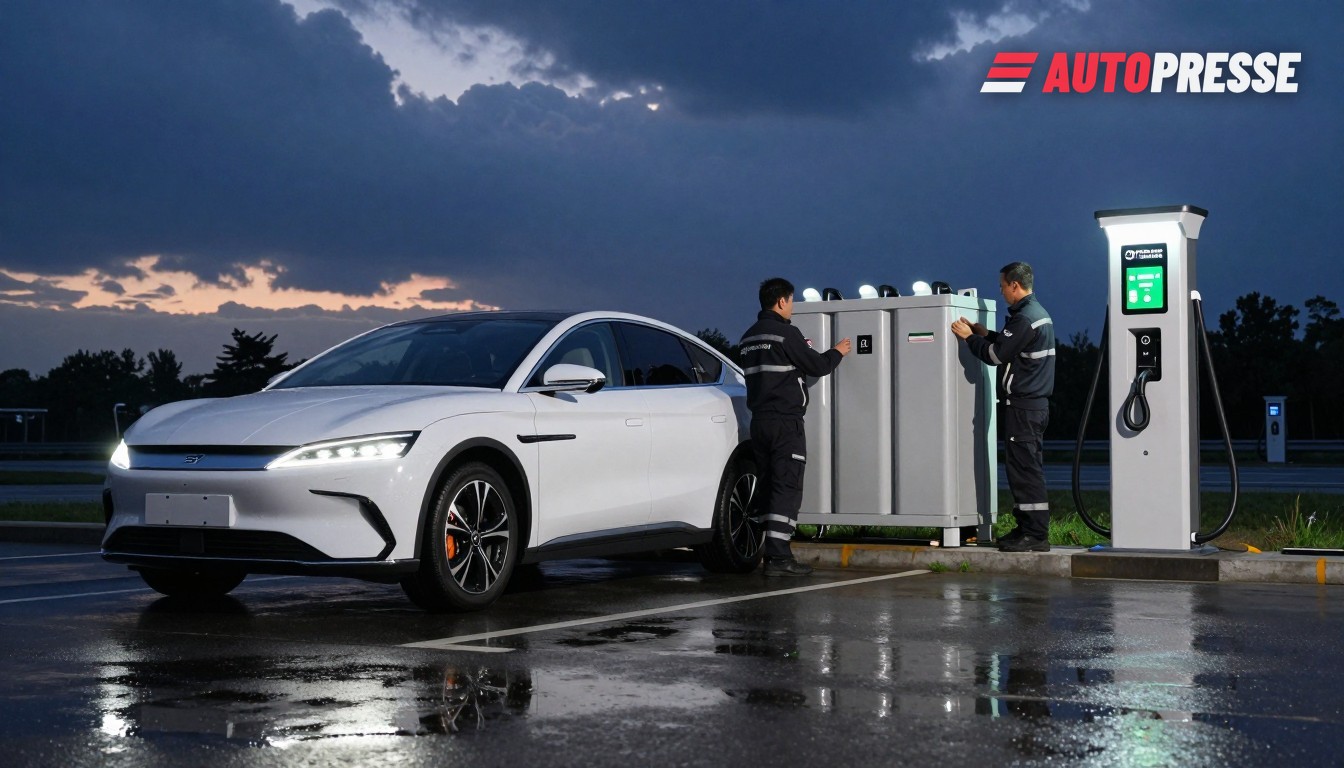
Practical collection work has accelerated too — a volunteer firefighter‑led campaign between 19 and 31 October 2026 gathered used batteries at local stations, with organisers reporting 9.4 tonnes collected and results published in early November 2026. Those grassroots efforts feed Austria’s recycling and second‑life programmes and support industry plans to keep battery raw materials and modules in regional loops.
Austria’s emphasis on circularity is mirrored in research and cluster funding approaches that prioritise dismantling, safe handling and material recovery rather than the large cell‑fab bets seen in parts of Germany.
Autonomy and open software: a German testbed
On autonomy, the newly created TUM Autoware Research Center by TIER IV (established October 2026) is already being used to adapt the open‑source Autoware stack for a full‑size autonomous city bus in Munich, in a government‑backed project driven by TUM and partners. The programme — announced in mid‑October 2026 and expanded in November 2026 to include hardware partners — positions open‑source software as a practical route to deploying Level‑4 systems for public transport.
Meanwhile, commercial AI platforms are scaling into dealer and fleet workflows. DaVinci AI publishes autonomous multi‑agent tools for market scanning, automated listings and voice agents that dealers can use to manage inventory and leads—an example of how software services are already changing sales and after‑sales in Europe.
What this means for the market
For buyers: expect faster feature upgrades and richer in‑car software from German OEMs as SDV compute and RISC‑V‑capable MCUs (Infineon) enter production; that will shift how features are sold and updated over a vehicle’s life.
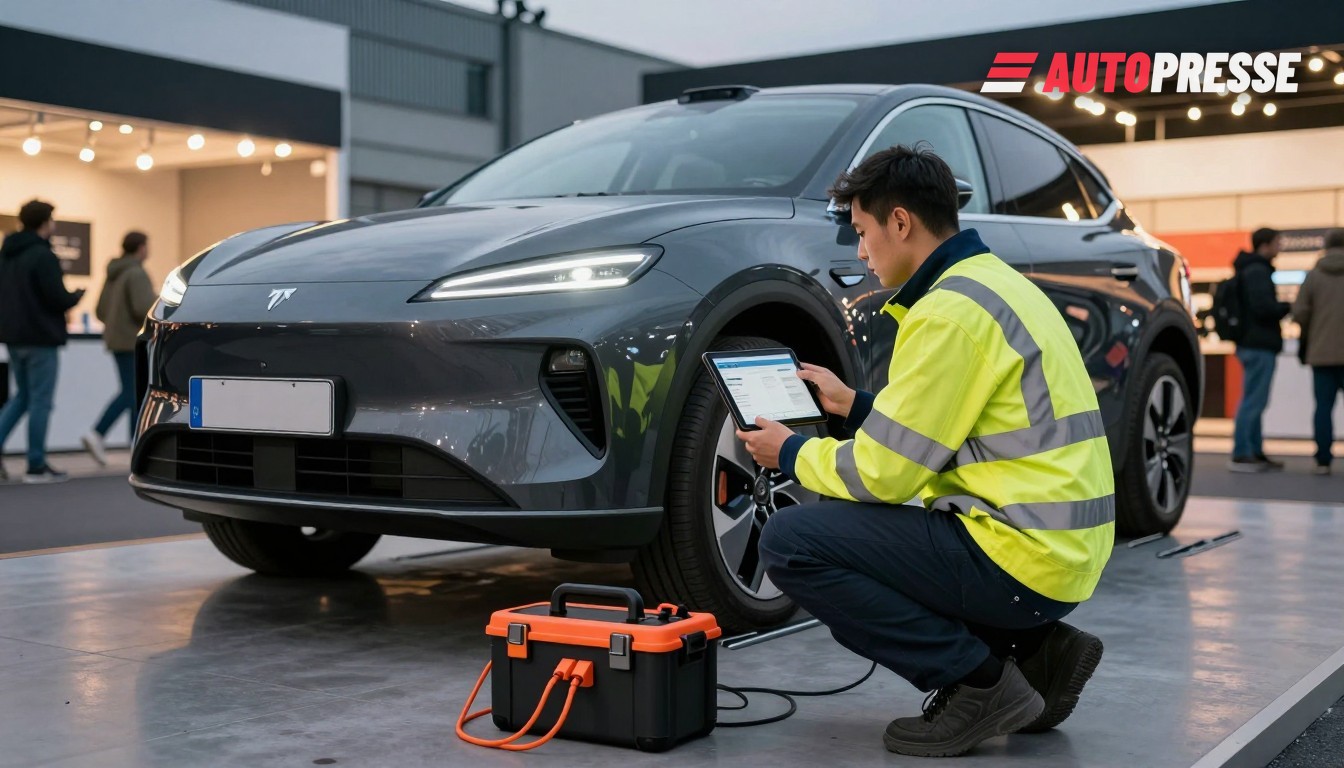
For dealers and workshops: skills will bifurcate. Workshops will need high‑voltage battery and recycling handling skills in Austria’s growing reuse/recycling sector, while German after‑sales will require software diagnostics, cybersecurity and semiconductor supply‑chain know‑how. Tools such as DaVinci AI’s market‑scanning and voice agents are already appearing as productivity options for dealers.
For suppliers and policymakers: Germany’s push on semiconductor platforms and SDV compute (Infineon, Volkswagen‑Qualcomm) demands stable chip supply and standards alignment; Austria’s recycling focus underlines the need for consistent EU rules and funding to scale collection and processing so second‑life markets can grow.
Electric vehicle listings on WorldTrader24 →
Sources: Infineon, Volkswagen Group, TIER IV / TUM, Deutsche Welle, ARA, DaVinci AI