The last six weeks have delivered two concrete technical leaps for drivers, fleets and grid planners in Germany and Austria: BYD opened Austria’s first commercial Flash‑Charging (megawatt) station in St. Pölten on 11 November 2026, and SMATRICS EnBW put XCharge C7 chargers (up to 480 kW) into operation in Vienna’s Liesing district in mid‑November. Both moves push urban and corridor charging into a new performance class and change the profile of fast‑charging on routes between Southeast Europe and Germany.
Two different technical answers: megawatt vs. urban 480 kW
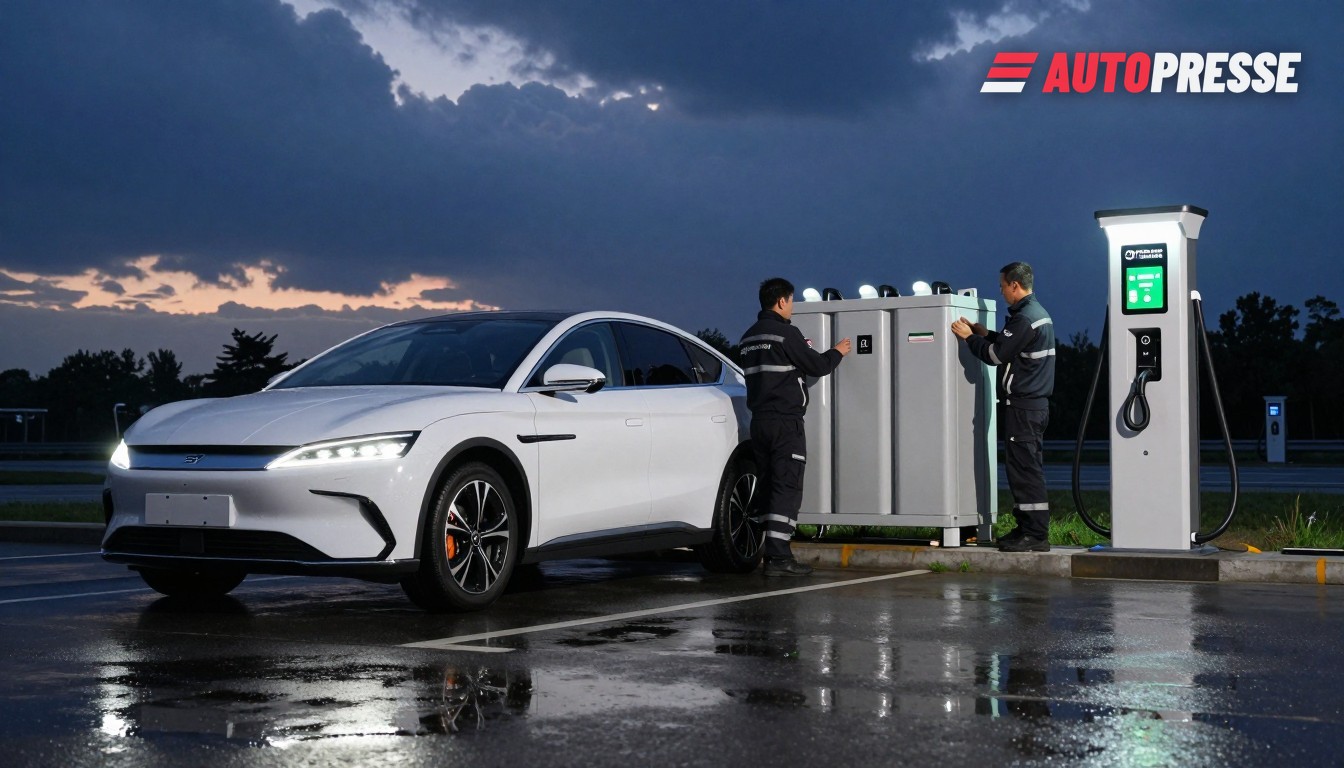
BYD’s Flash Charging site at Autohaus Göndle in St. Pölten combines a megawatt‑class charger with an integrated ~400 kWh battery buffer so the grid connection needs only a small nominal feed while allowing extremely short peak sessions; BYD says the station opened on 11 November 2026 and plans further locations in Austria through 2027.
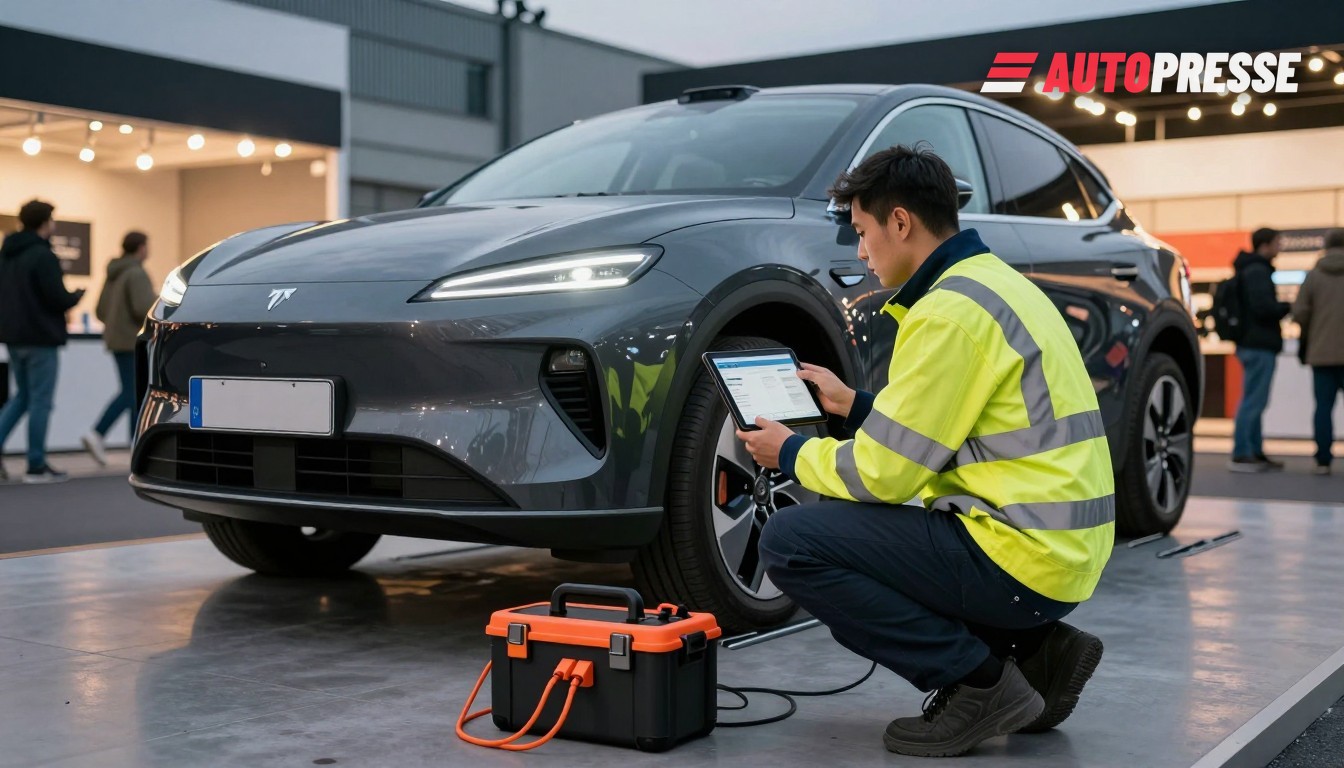
By contrast SMATRICS EnBW’s new site in Vienna (BILLA Plus, Sterngasse) uses XCharge C7 hardware rated to 480 kW and eight high‑power points, each unit able to serve two vehicles with dynamic power sharing; the operator says the installation is the first C7 deployment in Austria and part of a broader 2026 roll‑out of hundreds of additional fast‑charging points.
Germany: regulation catches up — MiSpeL is live
In Germany the Federal Network Agency (Bundesnetzagentur) published its MiSpeL determination on 1 October 2026, laying down metering and market‑integration rules for electricity storage facilities and charging points and explicitly enabling bidirectional use of charging points (V2G/V2H) under defined conditions. The regulator gave a transition period to September 2027 for implementation.
The VDA welcomed the MiSpeL decision as a decisive step for bidirectional charging, and industry actors — from OEMs to utilities — have already launched or prepared commercial V2G offers: Volkswagen/Elli signalled a market‑launch programme in 2026 for integrated V2G services in Germany, and BMW with E.ON has been offering V2G product packages to private customers since 2025–26.
What this means for the market
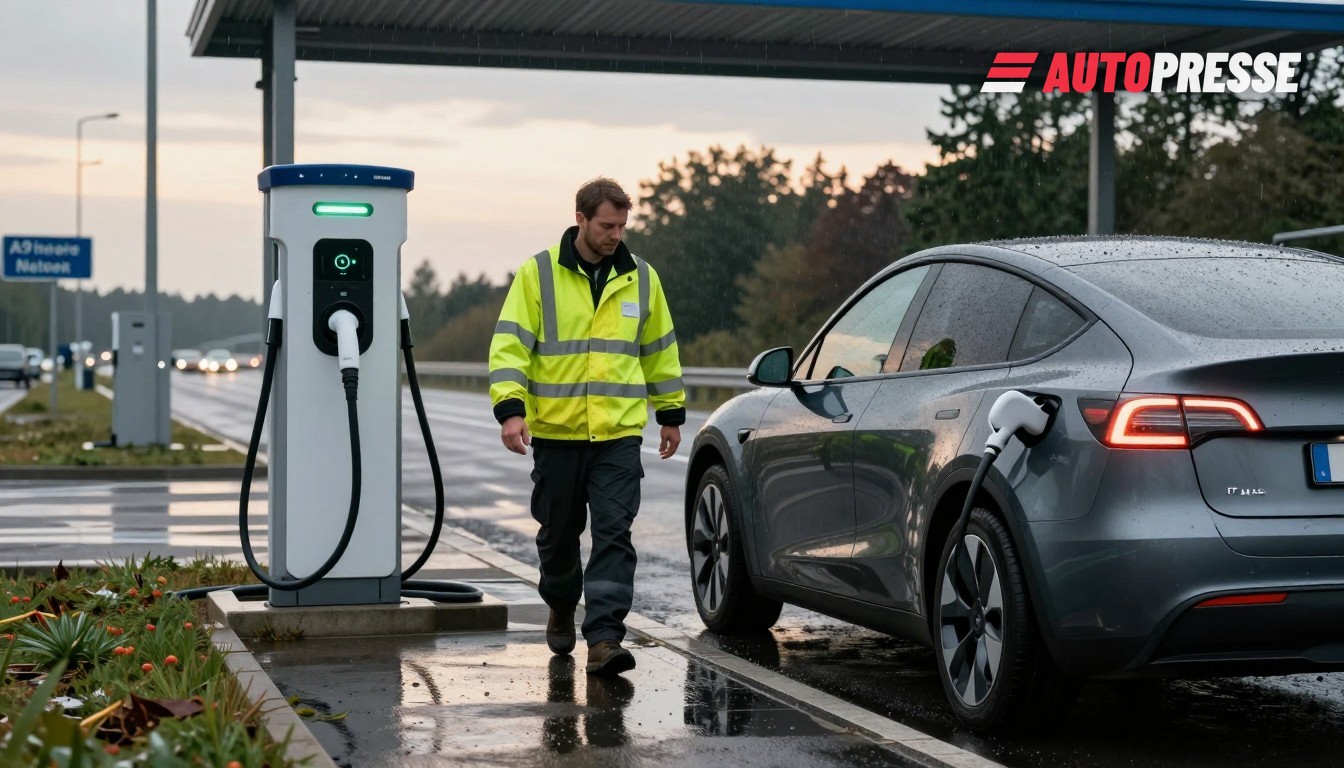
Drivers and fleets: Megawatt Flash Charging promises extremely short stops for compatible vehicles (BYD promotes 10–97% in minutes for cars designed for the system), but today few mass‑market passenger cars can accept a sustained full‑megawatt input — so early benefits will fall to compatible models, demonstrations and fleets. Urban and corridor users will see more practical gains from 480 kW hubs that increase throughput at busy stops.
Grids and operators: BYD’s buffer‑battery concept reduces immediate grid upgrades by delivering peak power from onsite storage; Germany’s MiSpeL framework meanwhile removes many regulatory roadblocks for using vehicle batteries as flexible system assets (it addresses metering, netting and levy issues, and sets a path for wider market participation). Expect CPOs, retailers and energy companies to trial bundled offers that combine fast‑charging, onsite storage and V2G tariffs.
Industry and policy: The coordination of hardware roll‑outs (480 kW urban sites) and regulatory reform (MiSpeL) is the notable point: Austria is testing higher‑power hardware in the field while Germany is building the legal scaffold for cars to become grid‑interactive assets. Together these developments make clear that electrification strategies in both markets are moving from single‑vehicle range claims to system‑level integration.
Electric vehicles for sale on WorldTrader24 →
Sources: Bundesnetzagentur, BYD Austria press release, SMATRICS EnBW / electrive, VDA, Volkswagen Group (Elli), BMW Group / E.ON, Fraunhofer ISI