Germany and Austria are no longer moving as one. In Germany the market picture is being reshuffled by importers from China and shifting model demand; in Austria the recovery in new registrations keeps surprising, driven by corporate buyers and strong month‑to‑month momentum. That matters for drivers, dealers and factory planners: which brands dealers stock, how fleets decide on make and model, and where assembly capacity will be required next year are all changing fast.
How brands are reshaping the charts
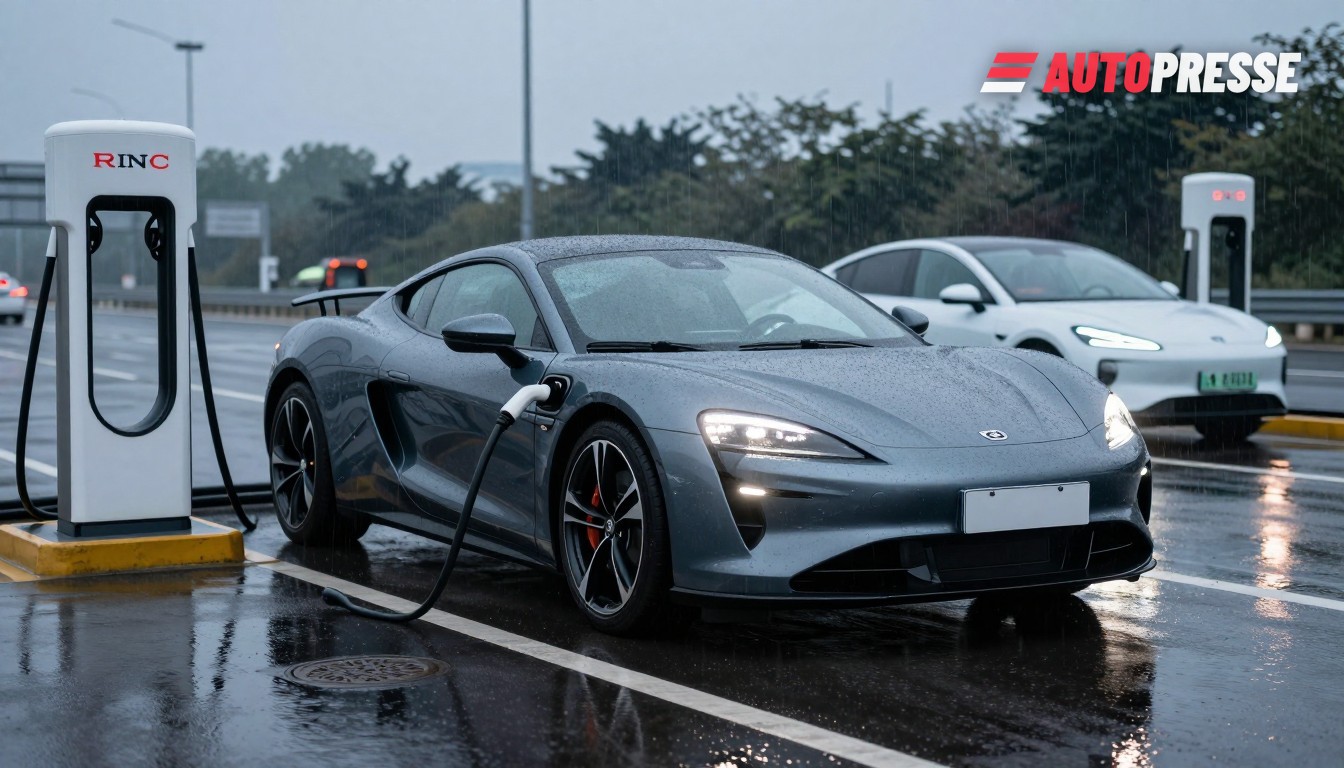
Official registration tables and industry analyses show Volkswagen retaining its position as the largest single brand in October 2026 with 46,331 new registrations, while a group of Chinese marques have posted outsized percentage gains on small bases. BYD recorded 5,173 new registrations in October and has accumulated 47,961 registrations from January to October 2026 — narrowly ahead of Tesla’s 47,742 for the same period, according to KBA‑based brand tallies reported by the trade press. At the same time VW’s year‑to‑date total remains far larger (442,775 Jan–Oct 2026). These moves underline a two‑track market: incumbent European marques still dominate volumes, but growth and headline gains increasingly come from imports.
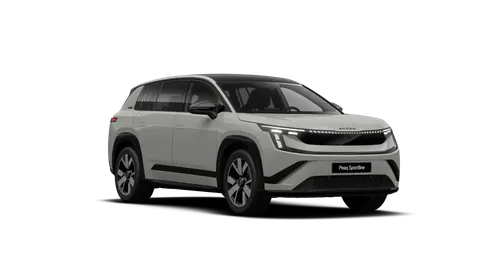
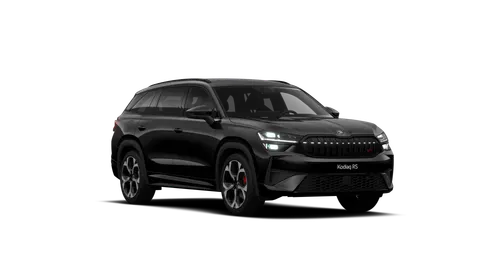
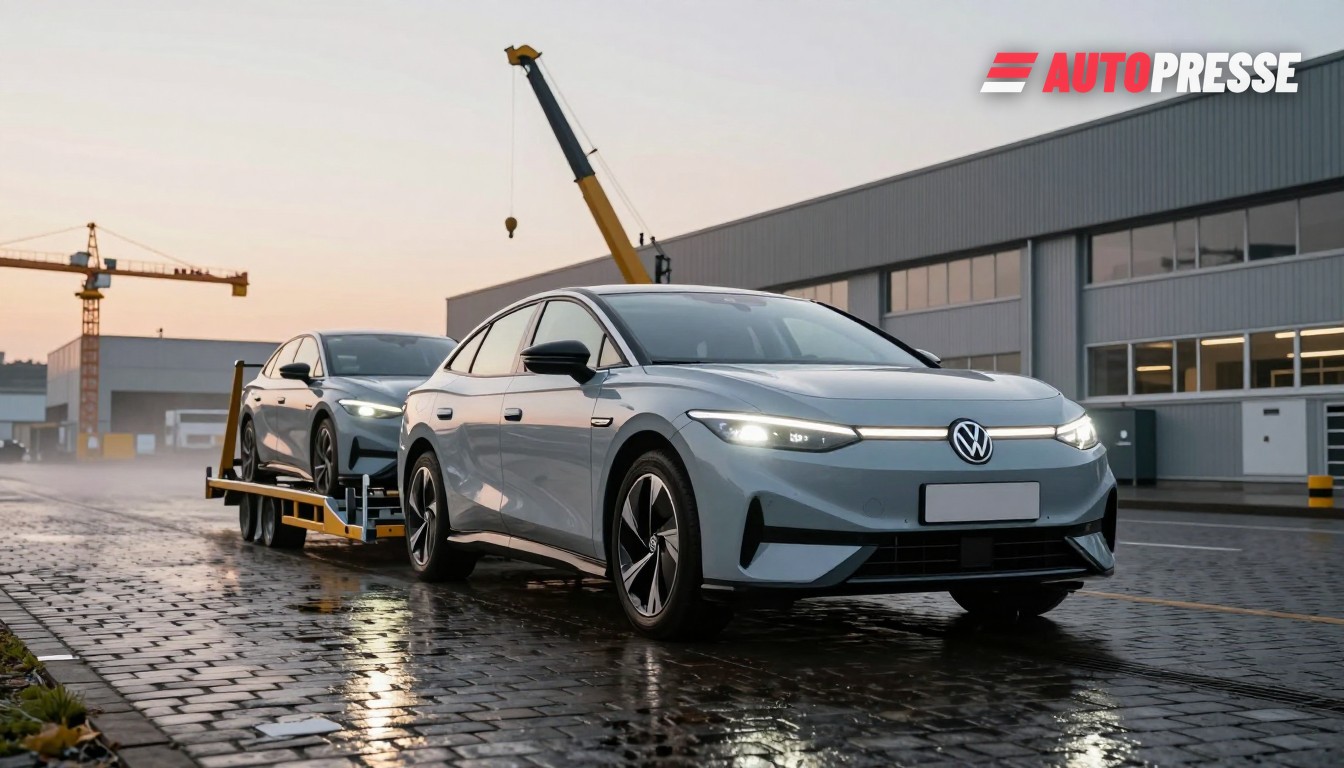
Model leaders are shifting inside that picture. In October the VW ID.7 was reported as the best‑selling battery electric model for the month, while other models from Škoda and Mercedes appeared near the top of BEV model lists — an indication that mainstream brands are filling the fastest‑growing BEV segments.
Austria: steady growth, corporate demand
Austria’s new‑car market has expanded through 2026: provisional Statistik Austria figures show passenger‑car registrations up by 10.7% between January and October 2026 versus the same period last year. The month‑by‑month pattern also shows high corporate weight — earlier mid‑year data put roughly two‑thirds of new registrations on juristic (company) holders — a structural feature that keeps fleet buying and total volumes tightly linked to corporate replacement cycles.
What this means for the market
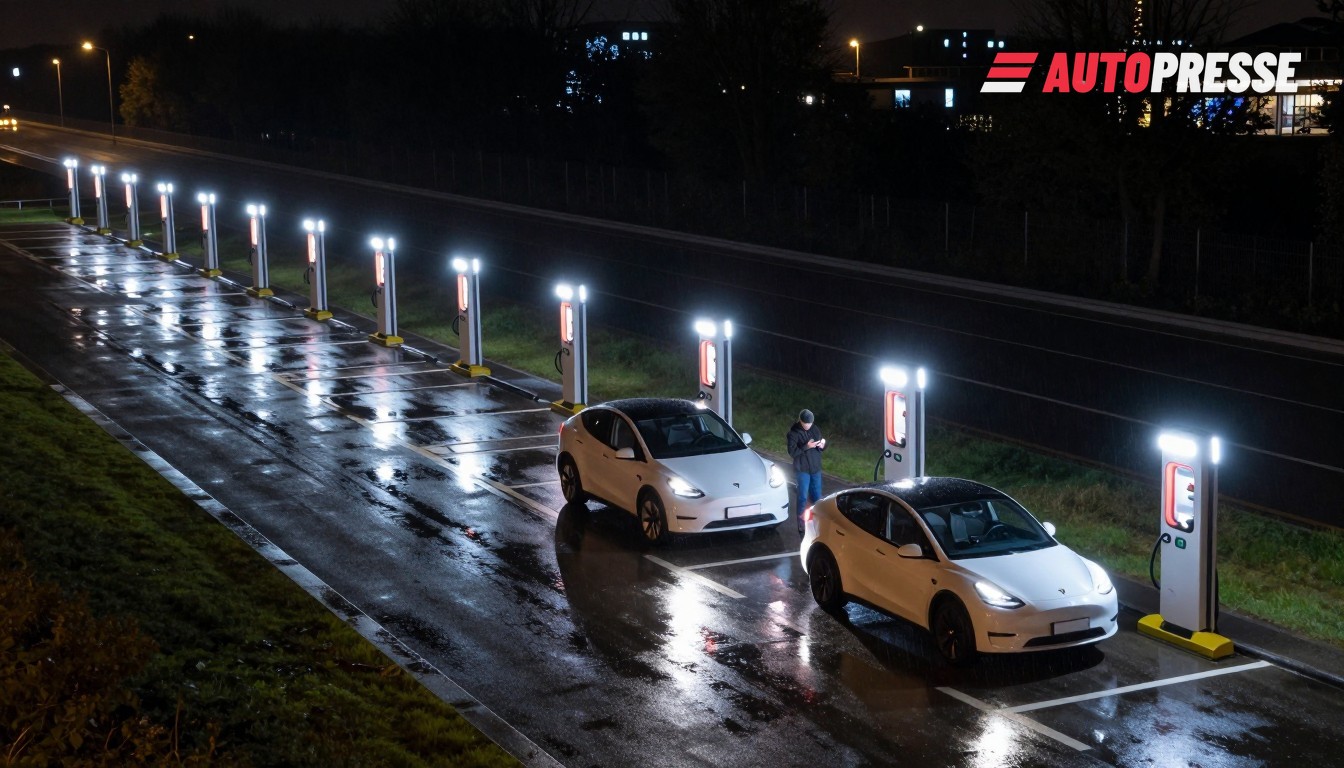
Three concrete forces are reordering the market. First, demand incentives: Germany’s national E‑car purchase scheme went live for applications in May 2026, offers graded support up to €6,000 depending on household income and vehicle type, and is funded from a €3 billion envelope through 2029 — a clear demand stimulus that benefits competitively priced BEVs irrespective of origin. That program is a proximate trigger for many private buyers and alters price competitiveness for dealers.
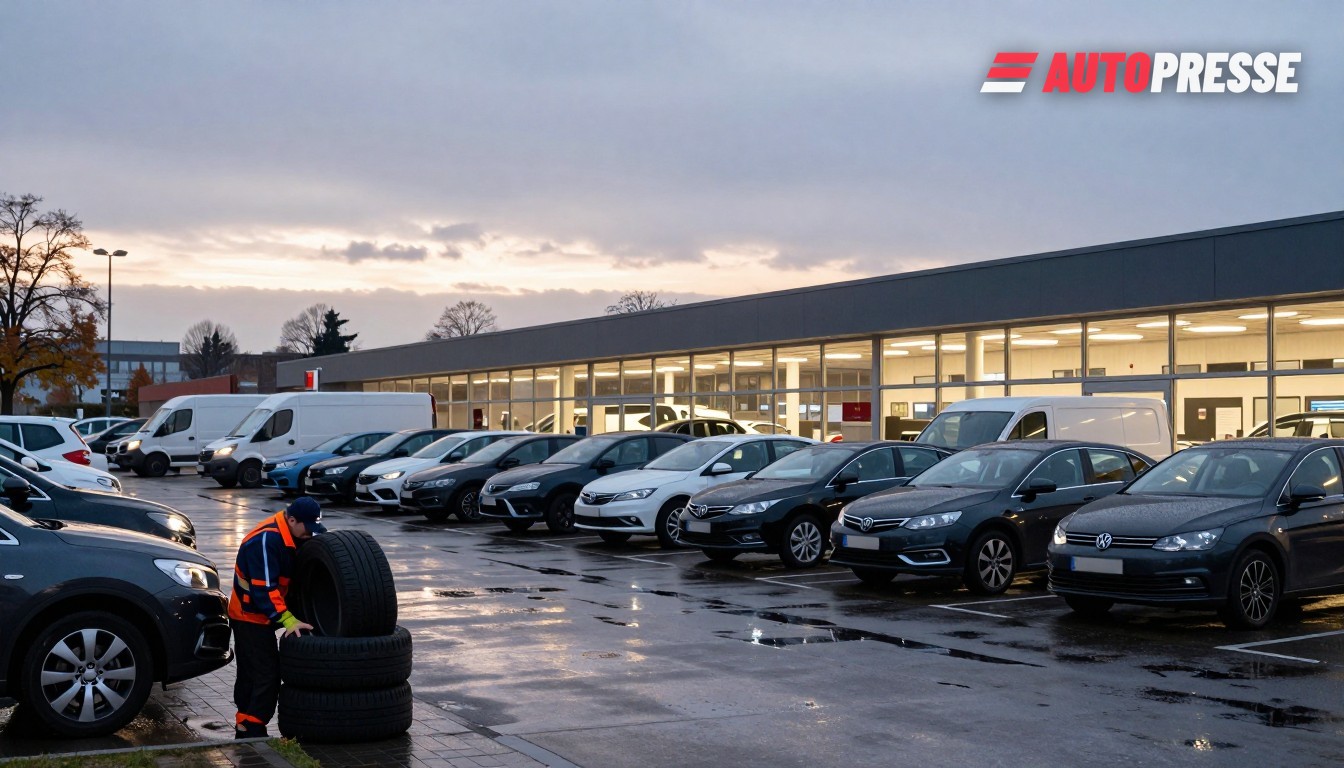
Second, dealer and fleet strategy must adapt to brand volatility. With Chinese marques able to post rapid monthly gains from smaller bases, German and Austrian dealers face tighter choices on stocking: keep established volume lines from VW, Mercedes and BMW, or expand showroom space and warranty/service arrangements for newer import brands that attract early‑adopter private buyers and corporate fleet managers. The KBA‑based monthly tables show that headline growth in recent months comes disproportionately from those new imports, even as VW and the German premium groups hold the volume crown.
Third, procurement and production planning will be affected. Austria’s continued growth and its high share of corporate registrations mean fleets and leasing companies will keep exerting strong influence over model mix and option lists — a pressure point for suppliers and plants that must supply regionally specific configurations. Meanwhile Germany’s incentive scheme and the clear model rotation in monthly leaderboards increase uncertainty for short‑run production planning and inventory management.
For drivers and buyers the takeaway is practical: shop total cost of ownership and dealer warranty/service offers, not only headline purchase price. For dealers and OEM planners the urgent task is the same everywhere — reconcile fast monthly shifts in demand with network capacity, build service capability for new entrants, and use data (inventory, registrations and fleet orders) to hedge pricing and allocation decisions.
VW model listings on WorldTrader24 →
Sources: Kraftfahrt‑Bundesamt (via ADAC coverage), Statistik Austria, Bundesumweltministerium (E‑car funding pages), KBA‑brand tables as reported in trade press.