Monaco‑based Venturi Automobiles has effectively no formal retail footprint in Germany or Austria: the company lists its headquarters and contact details in Monaco and publishes news about niche projects and space‑industry work, but does not publish a German or Austrian dealer network on its corporate site. For German and Austrian buyers that means very limited local availability, no authorised showroom chain and after‑sales handled on a case‑by‑case basis.
What Venturi is today — small runs, innovation and space
Venturi’s own website emphasises low‑volume, high‑innovation activities — from the Fétish electric sports car to motorsport and “Venturi Space” projects — and lists Monaco as its contact address (7, rue du Gabian). The company’s public communications over the past two years have focused on anniversaries, records and space contracts rather than on dealer expansion in Europe. A Venturi news item dated 3 October 2024 stresses the firm’s two decades of work since the Fétish debut and its pivot to specialised programmes.
Independent profiles and industry databases describe Venturi as a very small, specialist manufacturer that produces cars in limited numbers and that pursues technical demonstration projects (land‑speed records, polar vehicles, lunar rovers). Those profiles do not record a public importer or multi‑point sales network for Germany or Austria.
Availability, dealers and after‑sales in Germany and Austria
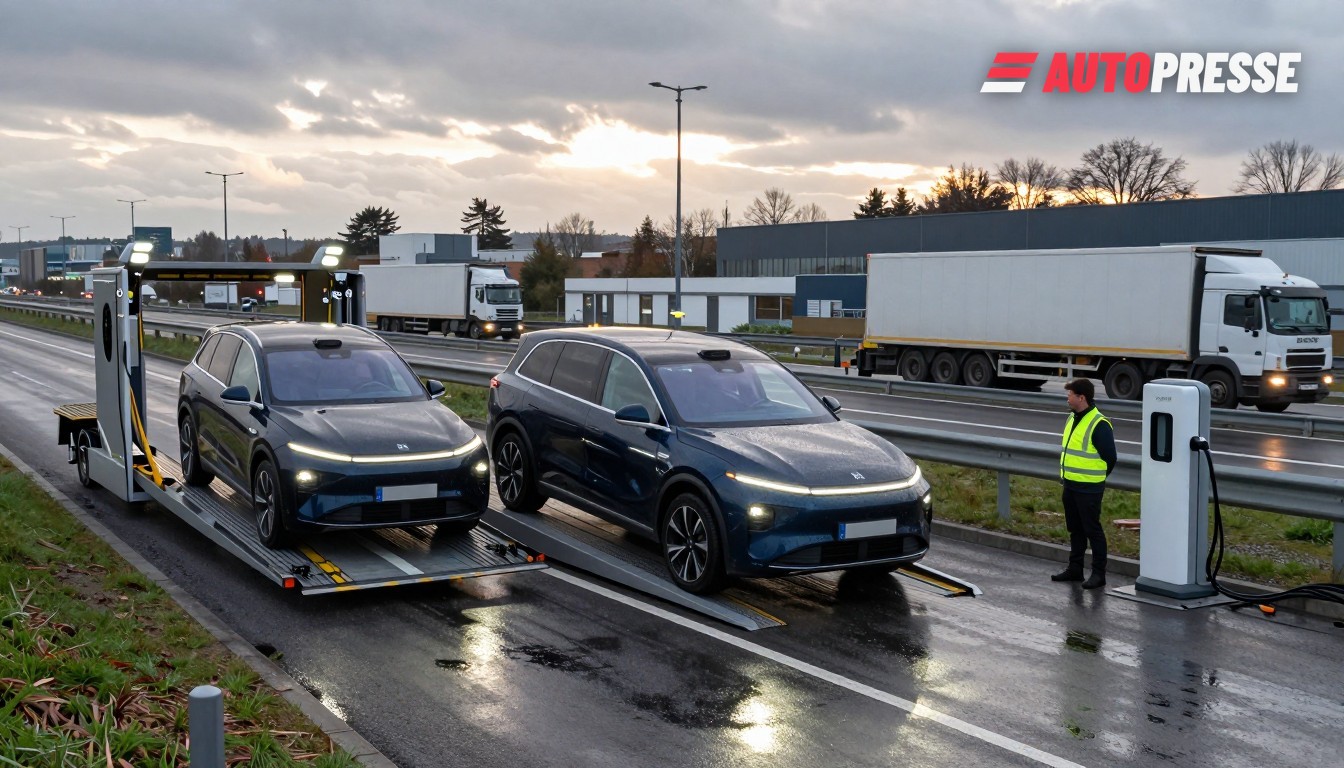
Practical availability in DE and AT today is therefore limited to two channels: occasional one‑off imports and the second‑hand market. Germany’s online vehicle listings and specialist aggregators show only occasional Venturi cars offered through private sellers or specialist dealers — a sign of very low local stock rather than an organised new‑car distribution channel. Buyers should expect individual import procedures, type‑approval checks and bespoke warranty/servicing arrangements handled directly with Venturi or private specialists.
Venturi’s public materials do not advertise a proprietary charging service, wallbox or roaming‑capable charge card for customers in Germany or Austria. That implies owners will rely on existing public charging infrastructure (Ionity, local operators) and independent home‑charging solutions; any manufacturer support (if offered) would be arranged directly and appears to be bespoke rather than networked. The company’s site and recent news do not list OEM charging partnerships for DE/AT.
What this means for the market
For drivers and dealers in Germany and Austria the practical takeaway is clear: Venturi is not a mainstream entrant in DE/AT. Prospective buyers should treat Venturi purchases as niche imports — expect extra work for registration, limited local service options, and reliance on general EV charging networks rather than brand‑owned infrastructure. For dealers and workshops the presence of Venturi vehicles will remain rare (collector, enthusiast or demonstrator cars) rather than a recurring franchised brand business.
Venturi remains of interest to the market not as volume competition but as a technical and marketing outpost: its record cars, bespoke commissions and space contracts keep the brand visible to enthusiasts, but they do not translate into a German‑ or Austrian‑wide sales and service network as of 22 November 2026.
Electric cars listings on WorldTrader24 →
Sources: Venturi official website, Wikipedia, German vehicle listing aggregator