October’s registration data underline an ongoing shift: electrified vehicles are rising fast, yet the picture across Germany’s federal states and Austria is far from uniform. That regional gap — where some Länder report BEV shares well above the national average while others lag — is starting to shape dealer stock, charge‑point demand and model success on local markets.
Where the shift is strongest (and where it isn’t)
Analyses of the KBA month data show a wide spread in state‑level BEV shares in October 2026: Rheinland‑Pfalz, Schleswig‑Holstein and the Saarland recorded the highest shares (around 40–44%), while Hamburg, Sachsen and Hessen were among the lowest. That variation means a dealer in Mainz or Lübeck is seeing very different customer mixes to one in Hamburg or Dresden. The KBA‑based data hub used by AutomobilBusiness reports the Bundesländer range and the October 2026 breakdown.
Across the border, Statistik Austria reports that October 2026 was another strong month for electric cars: 8,434 battery‑electric cars were newly registered in October and electric models outnumbered petrol and diesel combined for the second month in a row. Austria’s headline figures underline how quickly buyer choices have shifted there this year.
Charging supply is growing — but unevenly
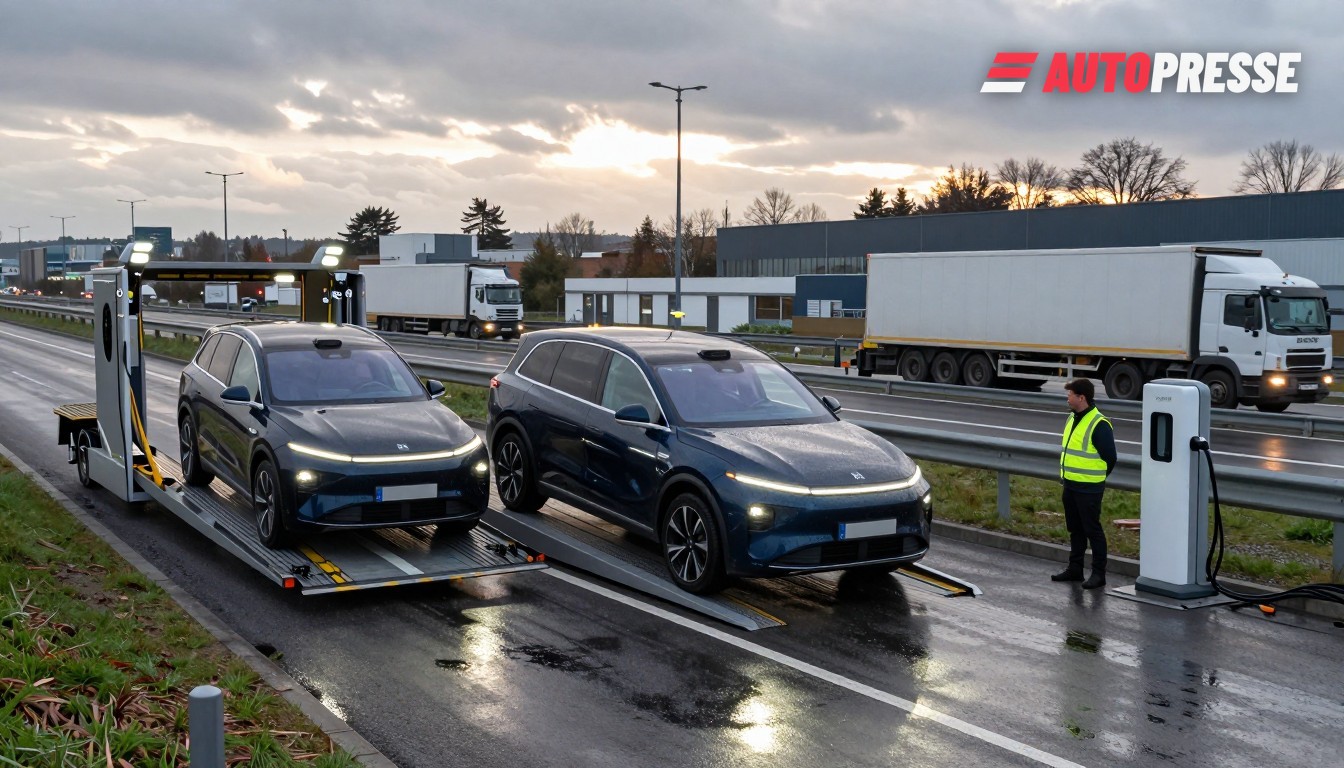
The VDA’s 2026 e‑Ladenetz ranking finds the public charging offer has grown in every German state versus the previous assessment, with Mecklenburg‑Vorpommern seeing the largest relative increase. Yet states with the fastest registration growth are not always the states with the densest public charging per BEV — a mismatch that already creates local planning headaches for retailers and fleet operators.
At the model level, the monthly rankings show notable swings. October moves included a sharp fall in Tesla Model Y registrations compared with September — an example of how single‑model fluctuations (availability, delivery cadence or pricing events) can reshape a brand’s local share month to month. Fahrzeugstatistik and goingelectric’s October breakdowns highlight these shifts.
What this means for the market
Dealers: price and stock strategy must be regional. Where BEV penetration exceeds the charging offer, dealers face longer pre‑delivery checks and stronger demand for installation guidance — and they must price used BEVs and carry compatible charging hardware in stock. (Inference based on regional BEV and charger data.)
OEMs and importers: local launch plans and allocations matter more than ever. A model that sells out in one state may have weak demand elsewhere; marketing and logistics should follow the micro‑market, not only national averages. (Inference based on state‑level sales variance and model rank swings.)
Infrastructure planners and policy makers: growth in public charging is real but uneven — targeted expansion in lagging states would reduce bottlenecks and support a smoother switch for private buyers and fleets. VDA’s network ranking offers a starting point for where investments deliver the greatest immediate relief.
For Austria, the recent months show that buyer behaviour can flip rapidly; planners there should watch how urban vs rural charging and used‑market effects evolve as more BEVs enter the fleet and trade markets.
Electric vehicle listings on WorldTrader24 →
Sources: VDA (VDA e‑Ladenetz ranking / market release), Statistik Austria, AutomobilBusiness (KBA data hub), goingelectric, Fahrzeugstatistik.