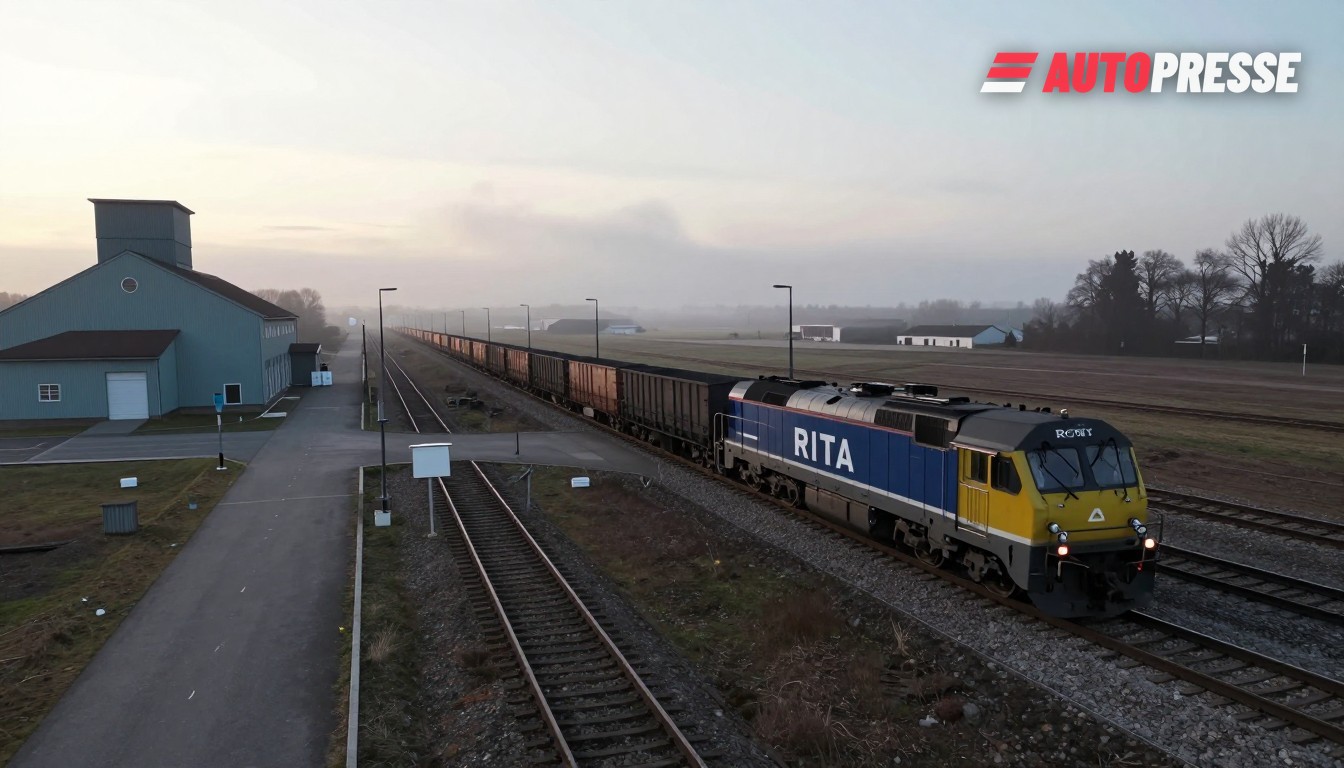
Austria’s planned Rail Intermodal Terminal Austria (RITA) at Vöcklamarkt — a project that was proposed as a roughly €170 million intermodal hub in partnership with MSC — will not go ahead, the Vöcklamarkt sawmill VM Holz announced after a company meeting on 16 November 2026. The decision removes a major near‑term capacity addition on the Westbahn corridor and leaves regional freight planners scrambling for alternatives that keep cars, components and battery parts moving between Austria and southern Germany.
Why the cancellation matters now
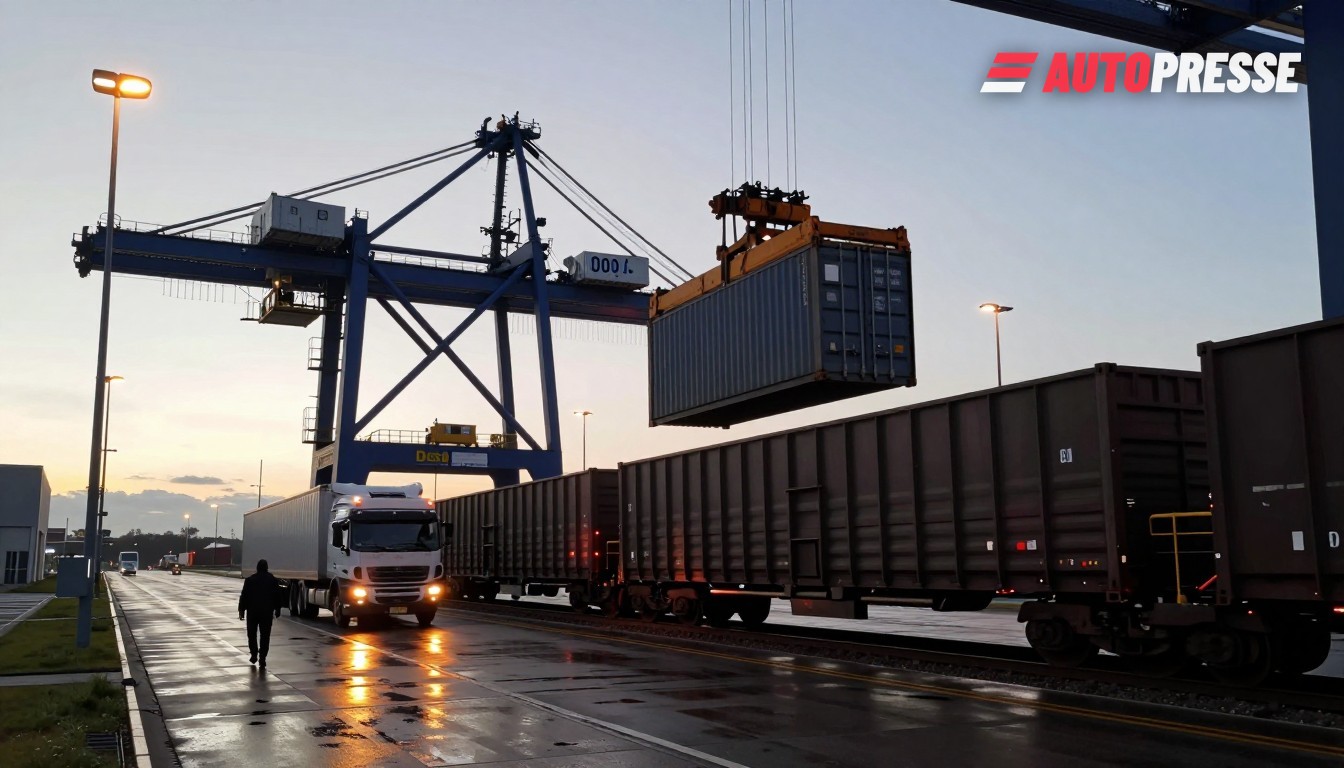
The RITA project had been pitched as a dedicated rail yard and warehouse complex to shorten first/last‑mile links for timber, bulk and container traffic and to relieve pressure on nearby terminals. With RITA shelved, consignors and forwarders will face tighter access to the Westbahn corridor and must shift volume to existing nodes — notably Wels, Vienna South and cross‑border rail connections through Czechia and Slovakia — increasing truck legs or squeezing slot availability at peak times. Local officials had expected the project to unlock new logistics jobs and new inward investment; those gains are now delayed or lost.
At the same time Austria and Germany continue to see large, parallel investments elsewhere: ÖBB and partners are advancing modernisation of intermodal capacity in Upper Austria (Wels) with a roughly €68 million programme that includes digital upgrades and yard refurbishment, while terminal operators in northern Germany are adding capacity and service buildings to cope with changing flows. Those projects provide some relief but cannot instantly replace the throughput RITA promised.
Pressure on ports and corridors
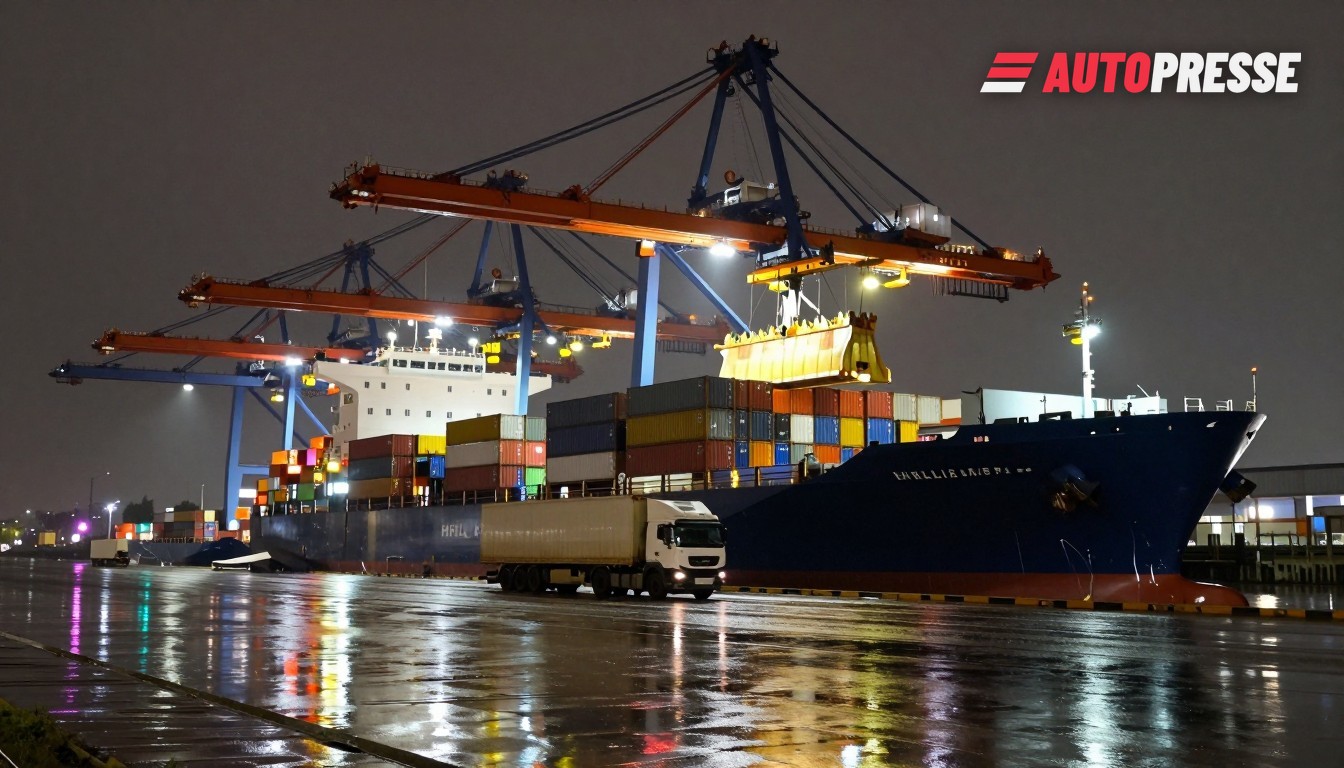
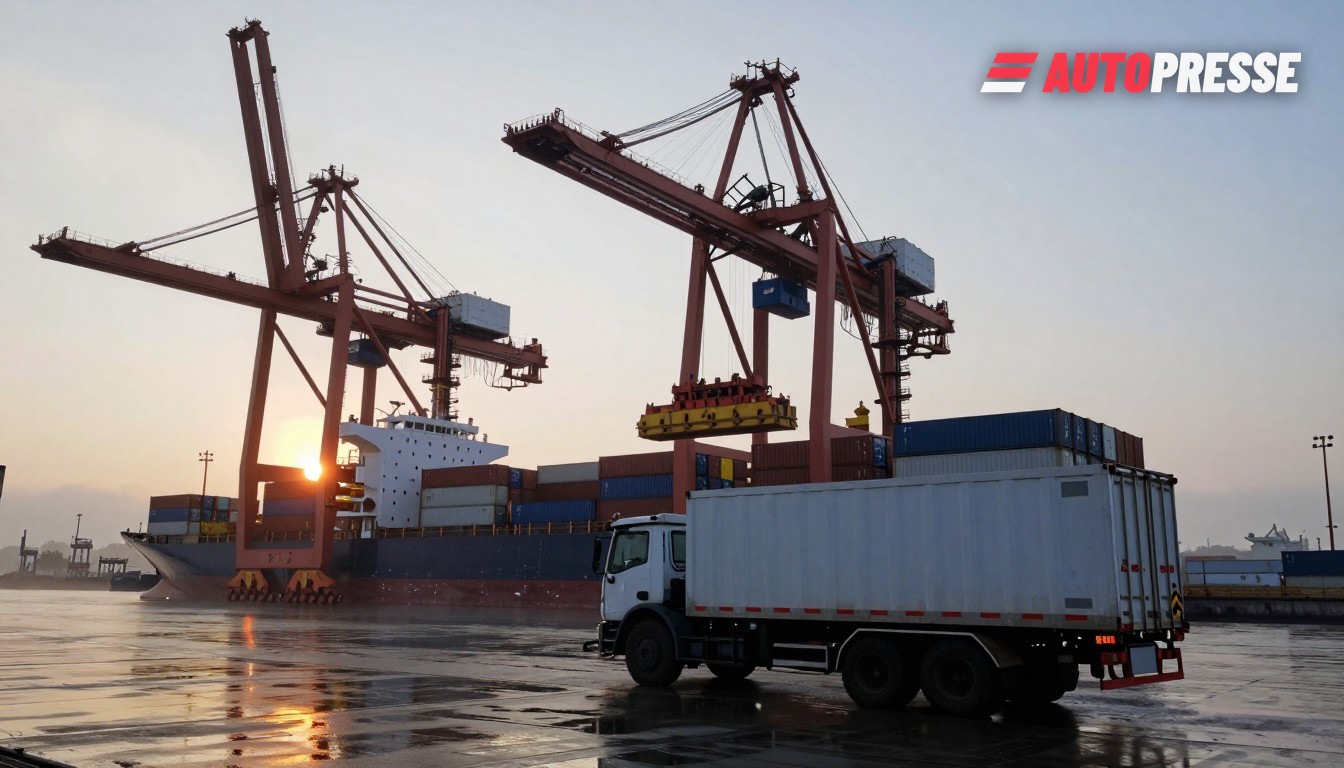
Ports and major terminals are already absorbing changes: operators in Hamburg and Bremerhaven are pursuing automation and new halls for ro/ro and auto handling, and international terminal M&A is reshaping where flows land in northern Europe — a dynamic that affects how freight is routed to Austria and Bavaria. The recent market consolidation among terminal operators is one reason forwarders now say they need clearer slot guarantees and better digital notice systems to prevent costly empty‑run truck mileage across the Alps.
What this means for the market
For manufacturers, dealers and logistics providers in Germany and Austria the immediate effect will be practical: more competition for existing rail slots, potentially longer road hauls and higher spot rates for time‑sensitive shipments. Fleet managers should expect tighter intermodal schedules into Q1 2027 and plan for additional buffer stock or alternate routing via Czech and Slovak corridors. For local labour markets the cancellation delays jobs in terminal construction and ongoing operations; training and recruitment plans tied to RITA will need retooling.
Policy makers and port authorities now face a choice: accelerate approvals and funding for upgrades at Wels, Vienna and key Bavarian terminals, or accept a temporary shift of freight onto roads — with consequences for emissions, toll revenue and congestion. EIB and EU CEF funding windows remain open for qualifying projects, so public co‑funding and quicker planning decisions could blunt the shock if authorities act swiftly.
B2B vehicle marketplace for dealers on WorldTrader24 →
Sources: Informare, RailMarket