German and Austrian logistics operators face a study in contrasts this autumn: leading German ports report clear volume declines even as Alpine rail capacity takes a long‑term step forward. The combination forces carriers, terminals and freight buyers to rework short‑term capacity plans and longer‑term modal strategies that affect drivers, depot workers and rail crews alike.
Ports soften — Hamburg and HHLA report weaker container traffic
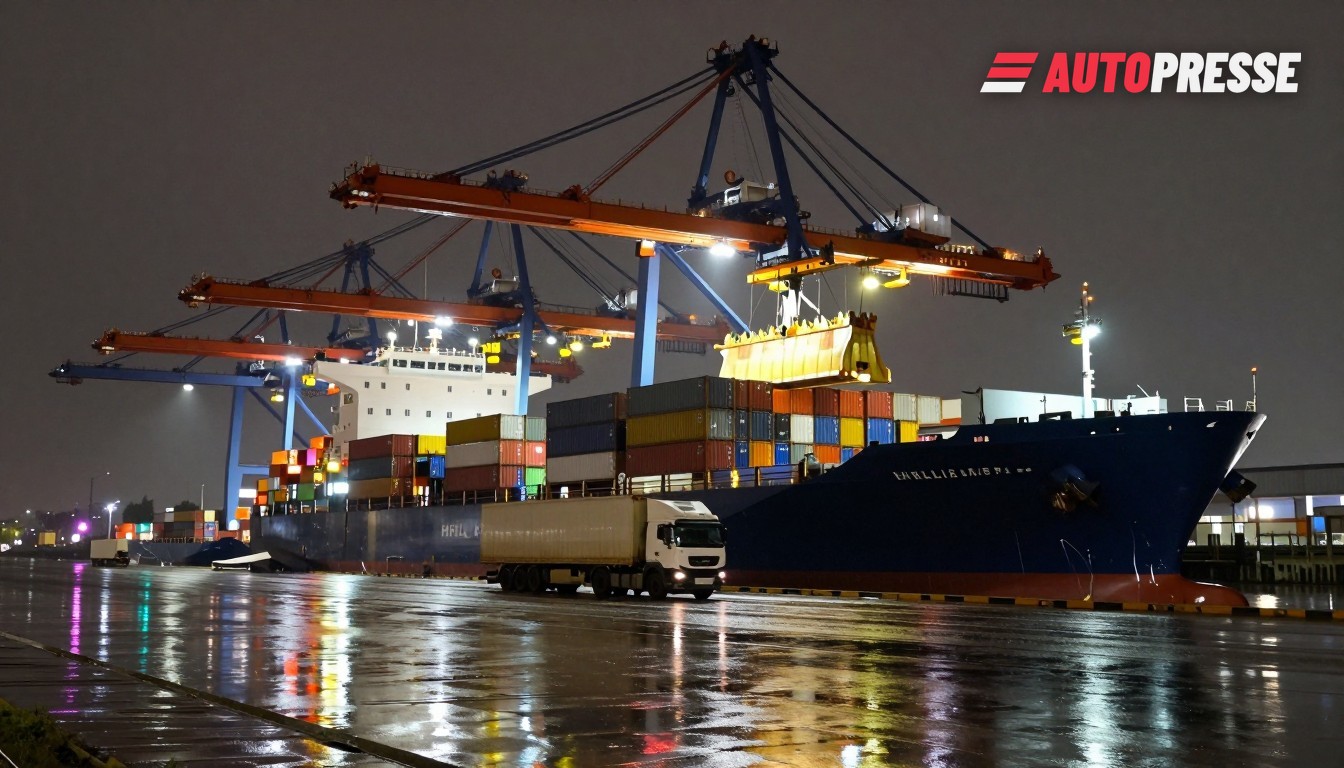
Hamburger Hafen und Logistik AG (HHLA) says container throughput in the first nine months of 2026 fell 7.3% year‑on‑year to 4,446 thousand TEU (previous year: 4,798 thousand TEU), with volumes at Hamburg terminals down 7.7% to about 4.2 million TEU in the same period.
The Port of Hamburg’s public statistics also show that total seaborne cargo throughput was 56.1 million tonnes in the first half of 2026, a 3.1% decline versus the same period a year earlier, with falls on key long‑haul lanes noted in the authority’s mid‑year release.
Alpine rail: bore connection signals long‑run capacity change
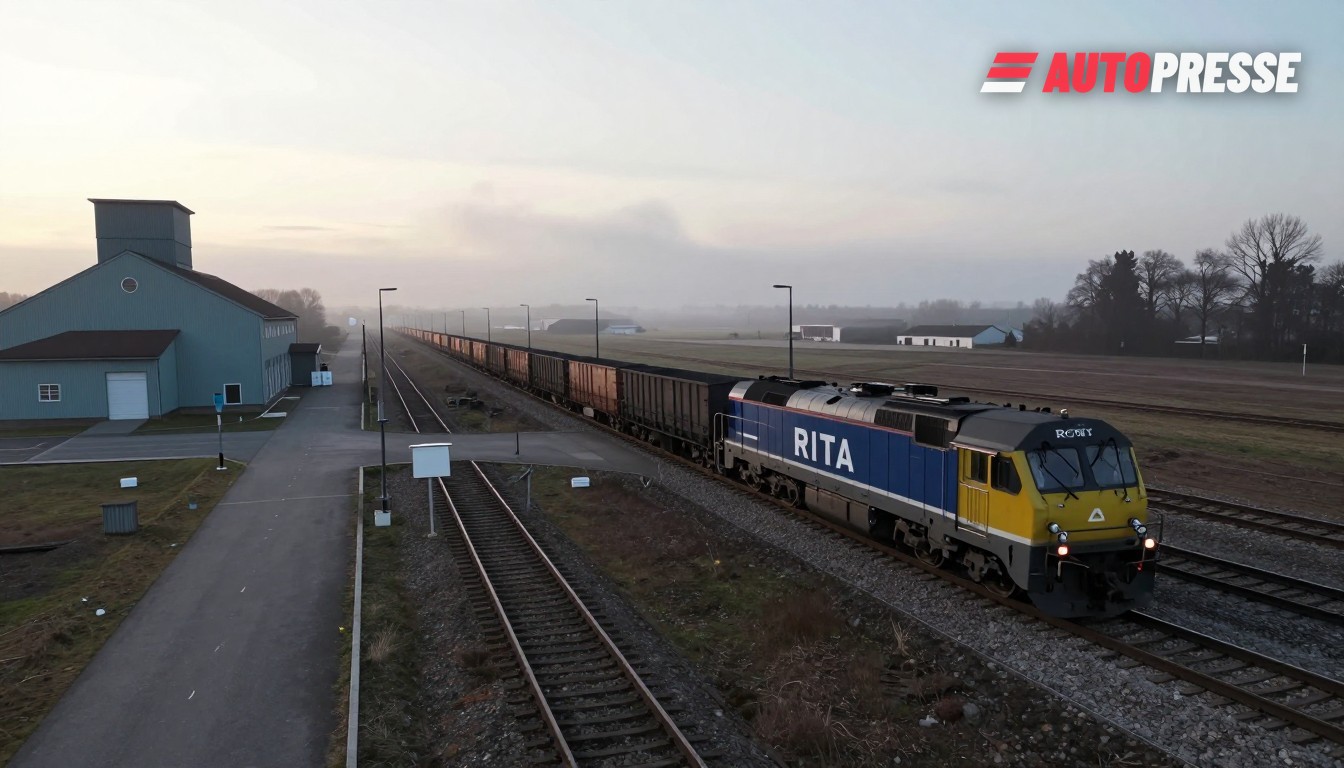
On 28 July 2026 engineers completed the connection of the two main bores of the Brenner Base Tunnel beneath the Alps — a major construction milestone that creates a continuous rail link between Austria and Italy and underpins the Scandinavian‑Mediterranean TEN‑T freight corridor. Project schedules still foresee phased completion and commissioning over the coming years, but the bore breakthrough materially reduces one of the major infrastructure constraints on Alpine freight.
The tunnel will only deliver its full effect when connecting upgrades in Germany, Austria and Italy are finished; nevertheless the July breakthrough is already changing how some forwarders and terminal operators plan capacity on the Munich–Verona axis.
What this means for the market
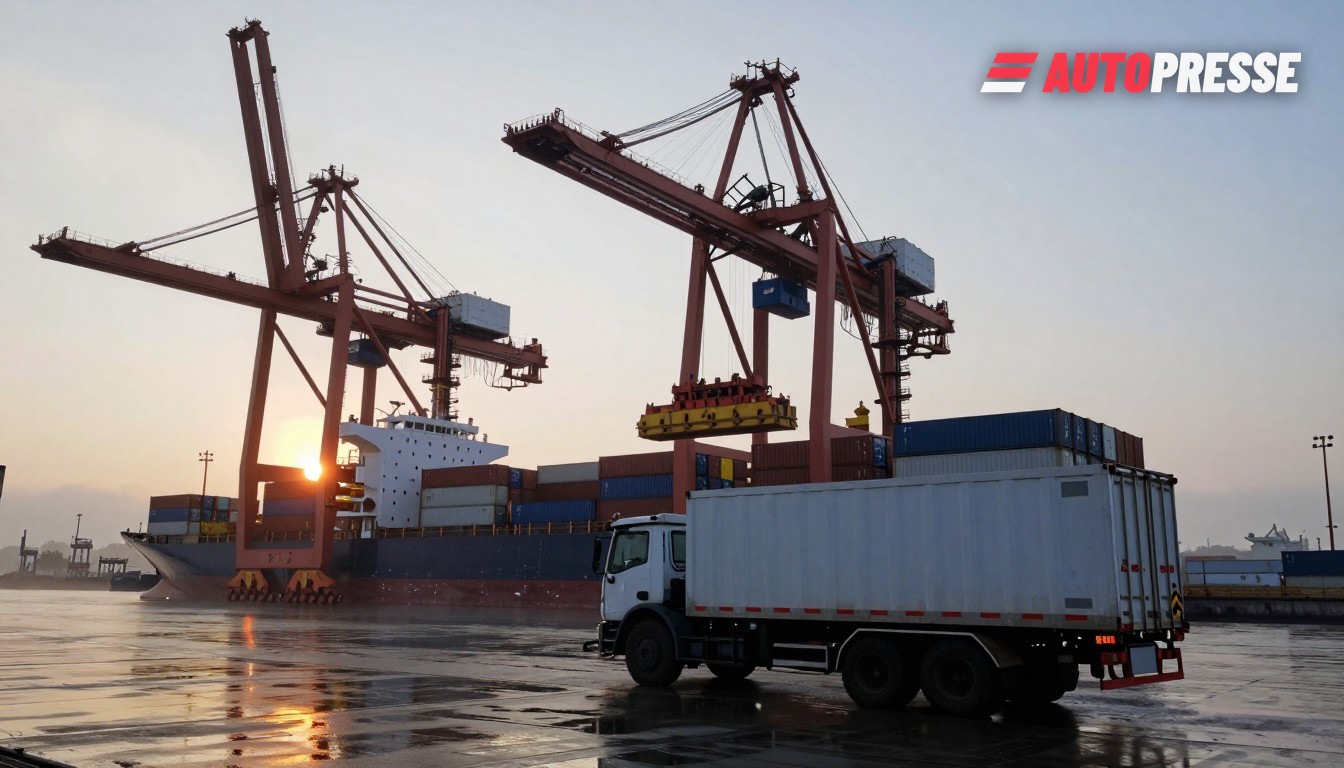
For German and Austrian shippers the immediate picture is mixed. Softer container demand at Hamburg and North‑Sea ports is easing acute pressure on terminal yard space and truck queues — good for carriers and hinterland road transport at face value, but the drop in volumes is also pressuring port revenues and pushing operators to accelerate efficiency and intermodal offers. HHLA’s quarterly reporting shows the revenue picture diverging from volumes and highlights how terminals are squeezing productivity to protect margins.
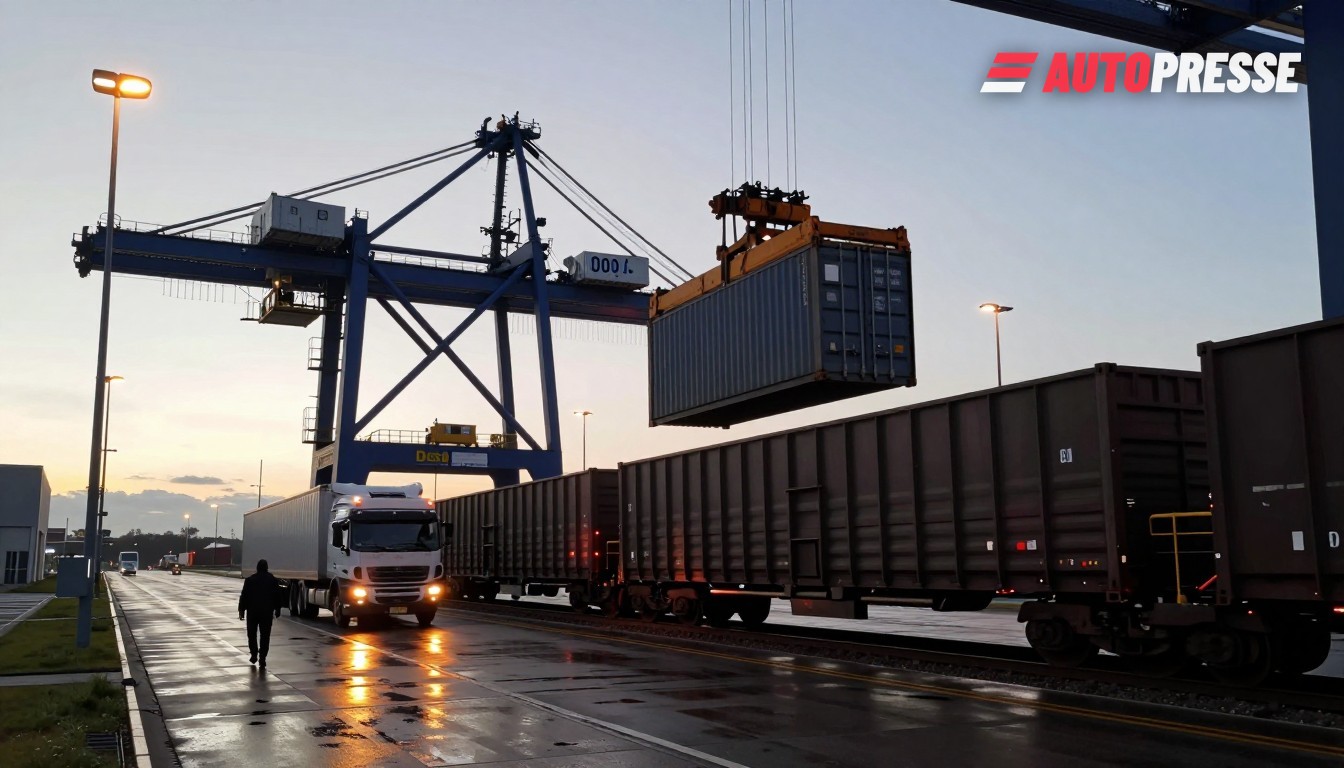
At the same time the Brenner milestone reinforces the long‑term case for rail freight across the Alps: when fully operational the BBT will lower gradients, shorten transit times and make rail more competitive for heavy and containerised flows between Germany/Austria and Italy. That shifts investment incentives toward rail terminals, shuttle services and gauge‑compatible equipment in Austria and southern Germany — while also raising the urgency of completing connecting lines and digital traffic management to capture the modal shift.
Policy moves in Berlin also matter to logistics markets: in November 2026 the German government proposed letting the federal motorway company raise debt to finance upgrades and to receive the infrastructure portion of the truck toll — a step that would create a larger, dedicated funding stream for road maintenance and capacity projects, and alter how road and rail investments compete for capital.
In short: terminals and truck operators must manage softer short‑term volumes while rail incumbents and governments plan for a structural shift in Alpine freight. The result will be a tougher commercial environment for ports, accelerated intermodal investment and a prolonged transition period as infrastructure and service patterns realign.
Immediate vehicle listings on WorldTrader24 →
Sources: Hamburger Hafen und Logistik AG (HHLA); Port of Hamburg Authority; Webuild; RailJournal; AutoPresse