Germany and Austria’s auto‑parts layer is no longer relying on volume car contracts alone. Across both countries, mid‑tier suppliers are making targeted investments in automation, measurement and 'services that stick' — moves that protect margins, cut unplanned downtime and reframe relationships with OEMs and dealers. These are practical changes drivers, workshops and purchasing teams will see in shorter lead times and a different aftermarket offer.
Concrete bets: machines, partners and maintenance
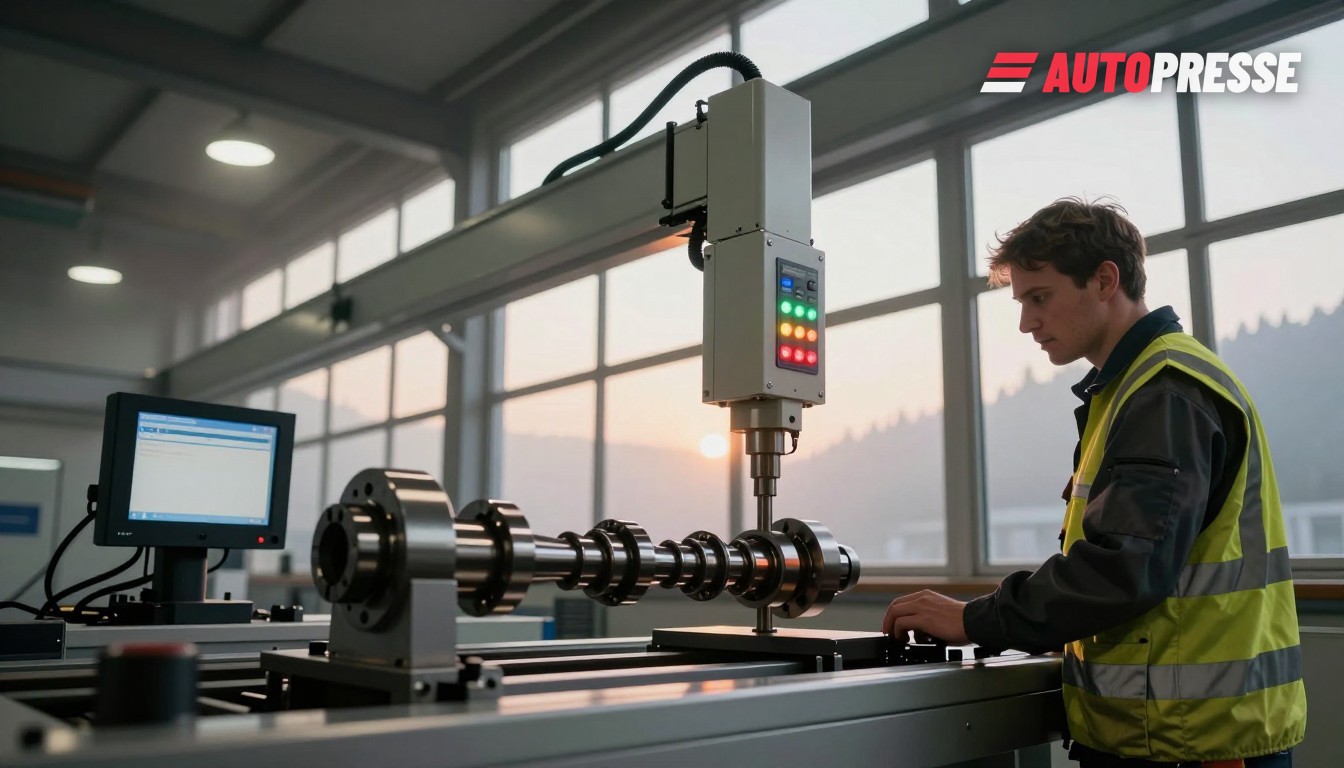
In Vorarlberg, precision crankshaft maker Hoeckle Austria GmbH confirmed an investment of roughly €2 million in automated end‑of‑line measurement and test equipment to raise throughput and quality at its Langenegg site; the company cited the spending as part of a strategy to broaden into higher‑value mobility segments and protect local jobs.
On the automation‑platform side, Bosch Rexroth has expanded ctrlX OS partnerships that make standardized, updateable machine controls available to smaller machine builders — an approach vendors say shortens engineering time and improves lifecycle security for supplier production lines. Bosch’s ctrlX programme has added OEM partners and platform features through 2026 to support just this kind of retrofit and digital‑service business model.
Service, digital twins and recognition
Austrian heavy‑industry supplier voestalpine won the Maintenance Award Austria (MA²) at the ÖVIA congress in Leoben on 7–8 October 2026 for a five‑year Lean‑Smart maintenance programme that uses digital twins and predictive upkeep — a concrete example of the payoff from investing in maintenance as a competitive capability.
Meanwhile mid‑tier groups such as Miba are reporting growth in segments beyond conventional engine parts: Miba’s corporate reporting and recent business coverage point to rising revenues and capacity investments in power‑electronics and energy‑transition products that shift supplier value away from legacy combustion components.
What this means for the market
For OEM purchasing and dealer networks the implications are immediate: expect a larger share of supplier work to come bundled with services — predictive maintenance contracts, retrofit and calibration work, and software/firmware update programmes — rather than one‑off parts buys. Workshops and fleet operators will increasingly source not just components but data‑driven maintenance packages; this raises the value of supplier‑owned diagnostics and shortens warranty turnaround for dealers. The focus on open automation platforms also means smaller suppliers can upgrade equipment faster without the long lead times of bespoke control systems, reducing the calendar risk around new model launches.
Employees and local economies will see mixed effects: investments in automation preserve competitiveness and can stabilise employment at solvent firms, but they also shift the skill mix towards mechatronics, metrology and software. Apprenticeship and retraining programmes therefore become decisive for regions that depend on supplier jobs.
WorldTrader24 B2B vehicle marketplace for dealers and fleets →
Sources: Hoeckle (press releases/Pzwei), Bosch Rexroth (ctrlX press), ÖVIA (MA² prize list), Miba Annual Report and AutoPresse analysis.