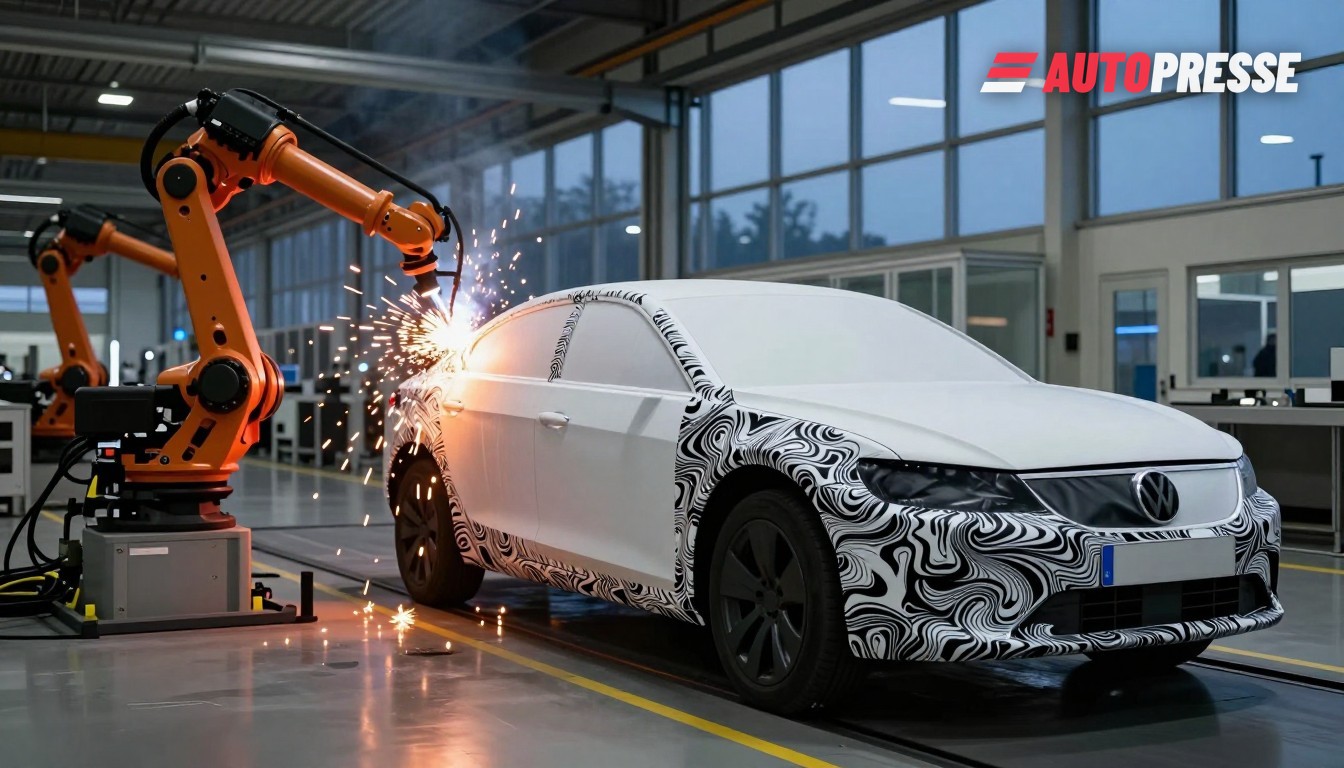
Germany’s EV transition is sharpening around software and state support. In recent months the Volkswagen Group said it will partner with Qualcomm to power next‑generation infotainment and to speed up a software‑defined vehicle architecture — a move VW calls “AI‑ready, and globally scalable.” This underlines a shift from hardware‑led electrification to platform and services playbooks that matter to buyers, dealers and suppliers alike.
Grants, laws and the software push
Berlin has kept financial incentives in place: the federal purchase subsidy for new battery EVs currently stands at between €3,000 and €6,000 depending on vehicle price and conditions, and the federal portal confirms the scheme runs through December 31, 2029 — a policy signal that helps OEMs and retailers plan product and pricing strategies.
At the same time the Bundestag in November passed changes extending preferential road‑use rules for electric vehicles ("Bevorrechtigung der Verwendung elektrisch betriebener Fahrzeuge"), updating traffic‑law provisions that affect parking, bus lanes and other local privileges — a legal tweak intended to keep incentives visible to drivers. The Bundestag documentation records the legislative decision in November 2026.
For vehicle makers the portfolio question is now how fast to convert hardware investments to software platforms. A joint study from Accenture and the Center of Automotive Management (CAM) warns the industry is at the verge of an "AI‑defined vehicle" era: success will depend not on the number of digital features but on operating the car as a lifecycle platform. That reinforces why partnerships such as Volkswagen’s with Qualcomm matter: they bring scalable compute and OS capability into cars, not just screens.
Infrastructure and network data
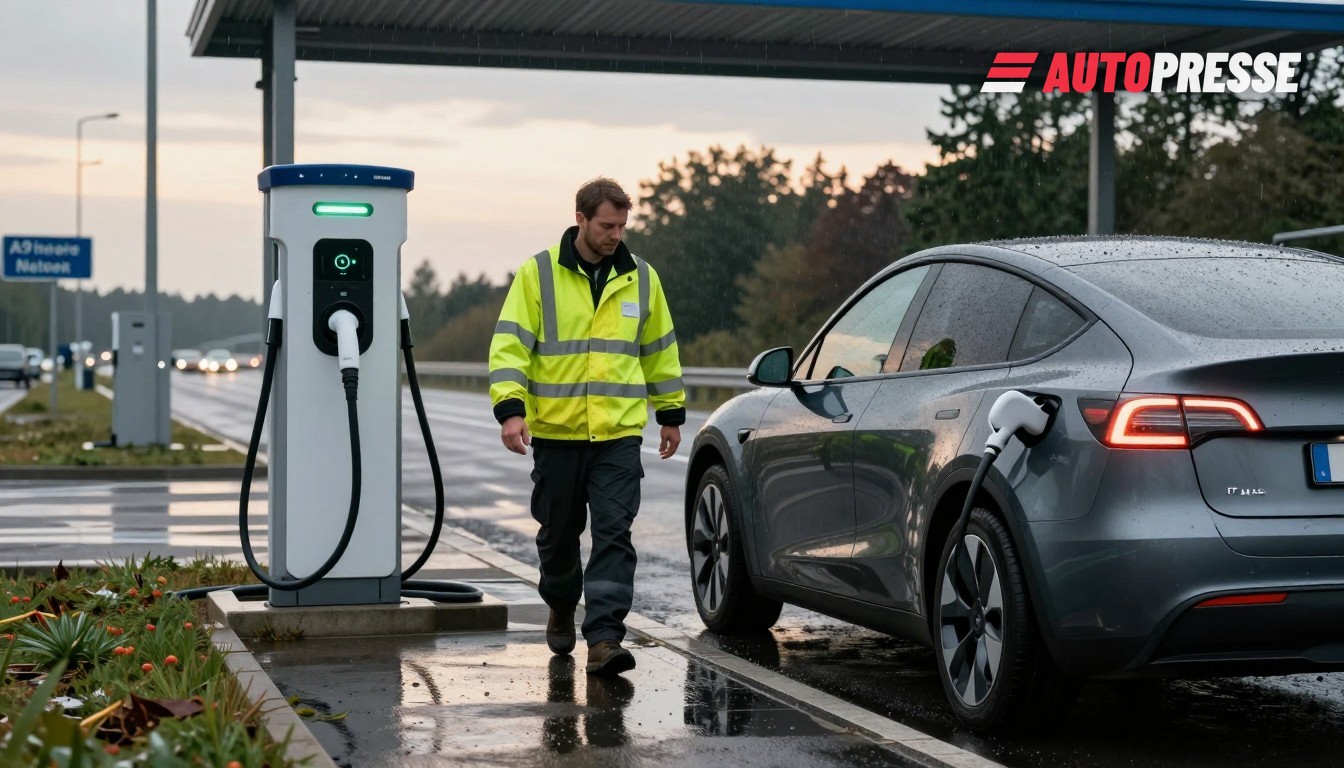
Industry trackers show Germany’s public charging network continues to expand: the VDA’s E‑Charging Network Ranking reports just over 211,000 publicly accessible charging points in Germany as of July 1, 2026 (including more than 55,000 fast chargers), a dataset the association released in November 2026. Policymakers and fleet planners will read these figures as proof the backbone is growing — but also as a prompt to manage grid and interoperability challenges as software and payments become central to the customer experience.
What this means for the market
For drivers: clearer and longer‑dated purchase grants (through 2029) reduce short‑term price uncertainty when comparing ICE and BEV offers, while richer in‑car software should improve in‑use features such as navigation, OTA updates and personalised services — if OEMs and dealers can translate platform promise into easy, trustworthy ownership experiences.
For dealers and service: the software‑first shift raises the value of digital retail tools, remote diagnostics and subscription models. Dealers who invest in digital sales flows and training will be better placed to monetise software updates and subscription services the OEMs roll out. The Accenture/CAM study highlights that lifecycle management — not one‑off features — will determine aftermarket and recurring revenue.
For suppliers and local industry: the VW‑Qualcomm Letter of Intent signals more demand for automotive‑grade SoCs, developer ecosystems and the associated supply chain for secure, updatable platforms. Meanwhile continued federal support for buyers and the legal backing for EV privileges in traffic law keep uptake incentives alive while the industry retools.
VW electric models on WorldTrader24 →
Sources: Volkswagen Group, German Federal Environment Ministry (BMUV/BMUKN), Deutscher Bundestag, Accenture/CAM, VDA