Germany and Austria are moving from “build-out” to “industrialisation” of EV infrastructure: public fast chargers and truck megawatt plans are being matched by a wave of battery‑recycling projects that won approvals or changed hands in 2026. That matters for drivers, fleets, workshops and suppliers because charging access, grid impacts and raw‑material supply now determine fleet economics and local jobs.
Charging: more capacity, new high‑power sites
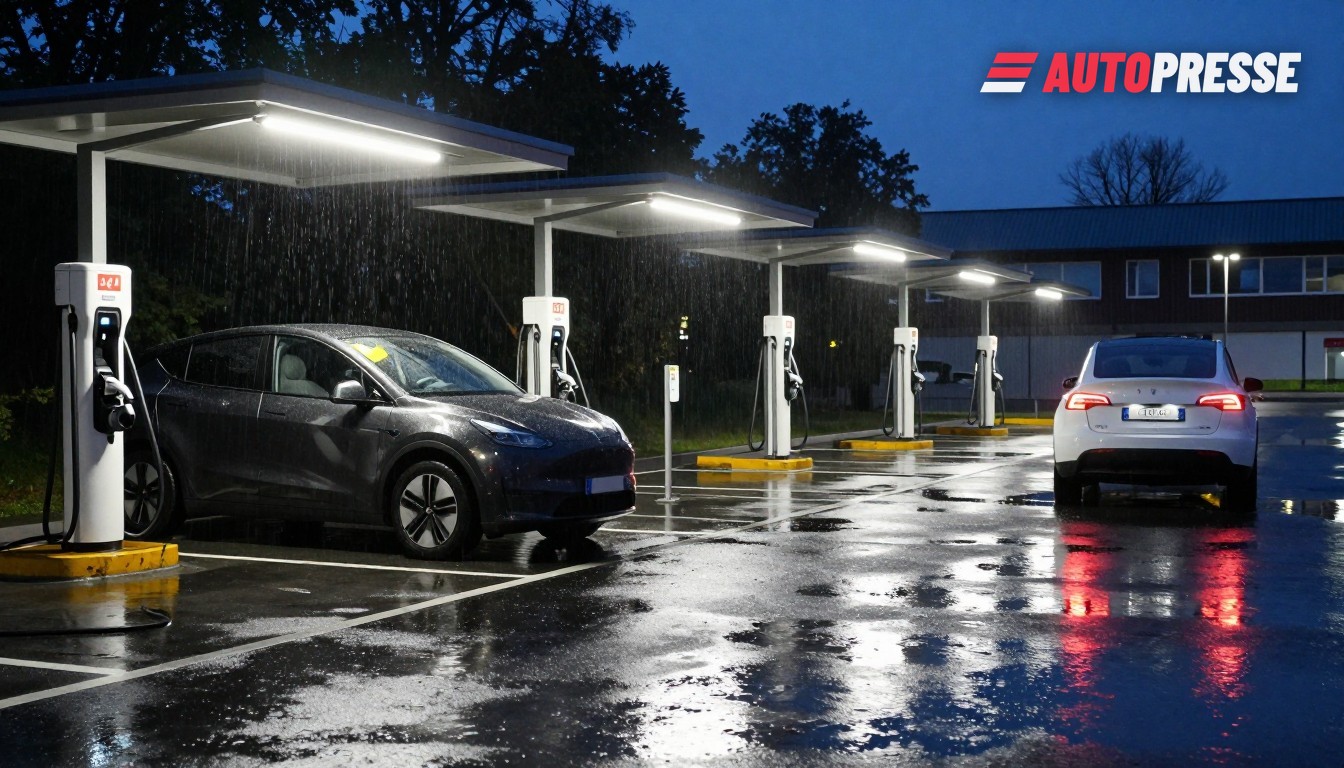
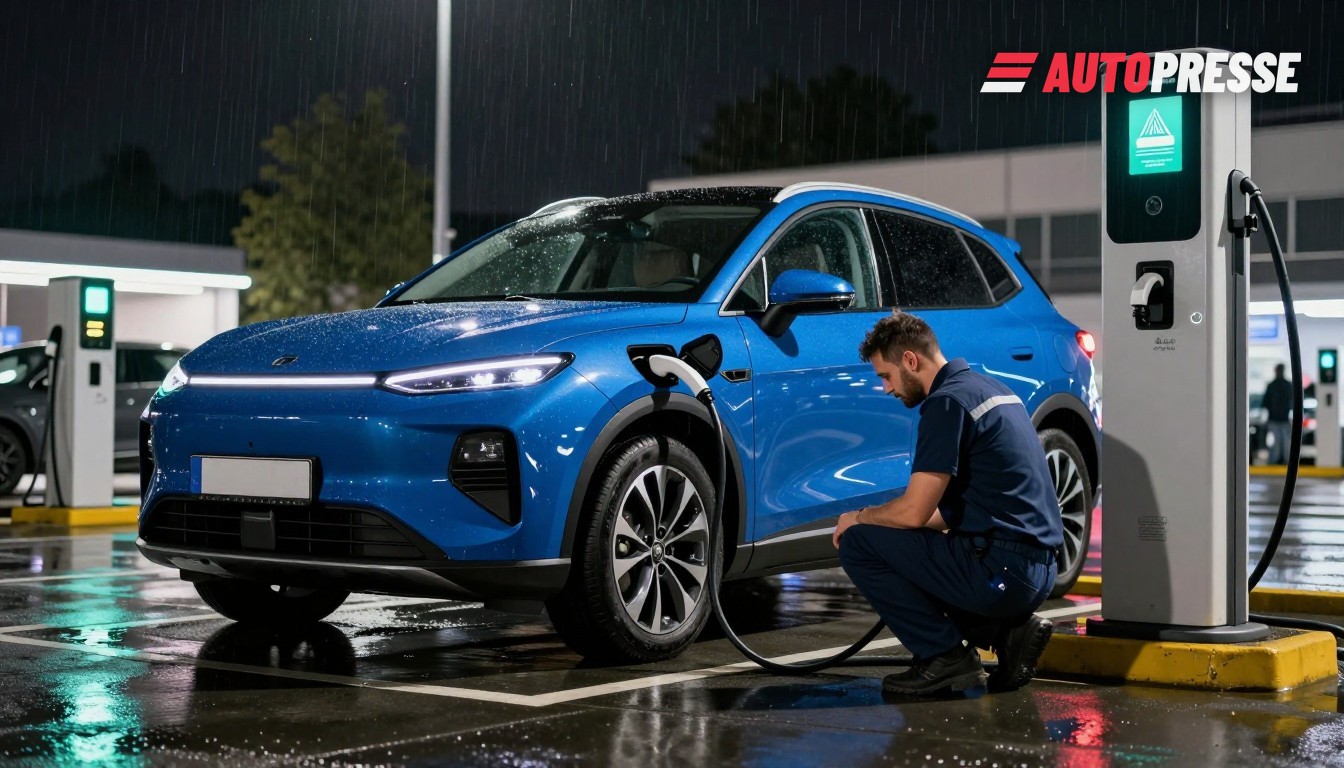
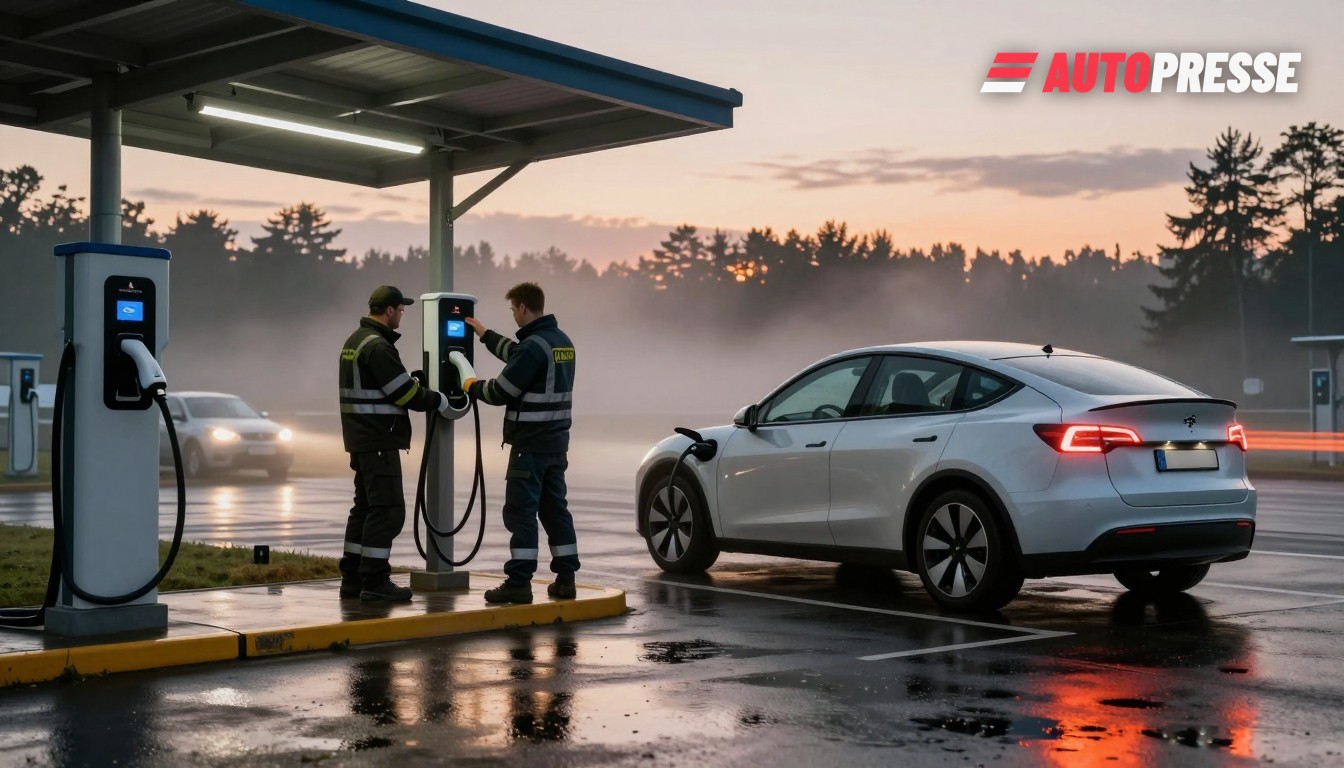
Germany’s public charging network has expanded rapidly: a BDEW‑monitored report cited by Vision Mobility notes more than 220,000 publicly accessible charging points and, in the first three quarters of 2026, over 604,000 newly registered battery‑electric passenger cars in Germany — figures that underline rising demand and utilisation pressure.
In Austria operators are installing higher‑power hardware for the next generation of EVs: Smatrics/EnBW deployed its first 480 kW XCharge unit in Austria in November 2026 and plans further roll‑out this year to “future‑proof infrastructure” for vehicles capable of very high input power.
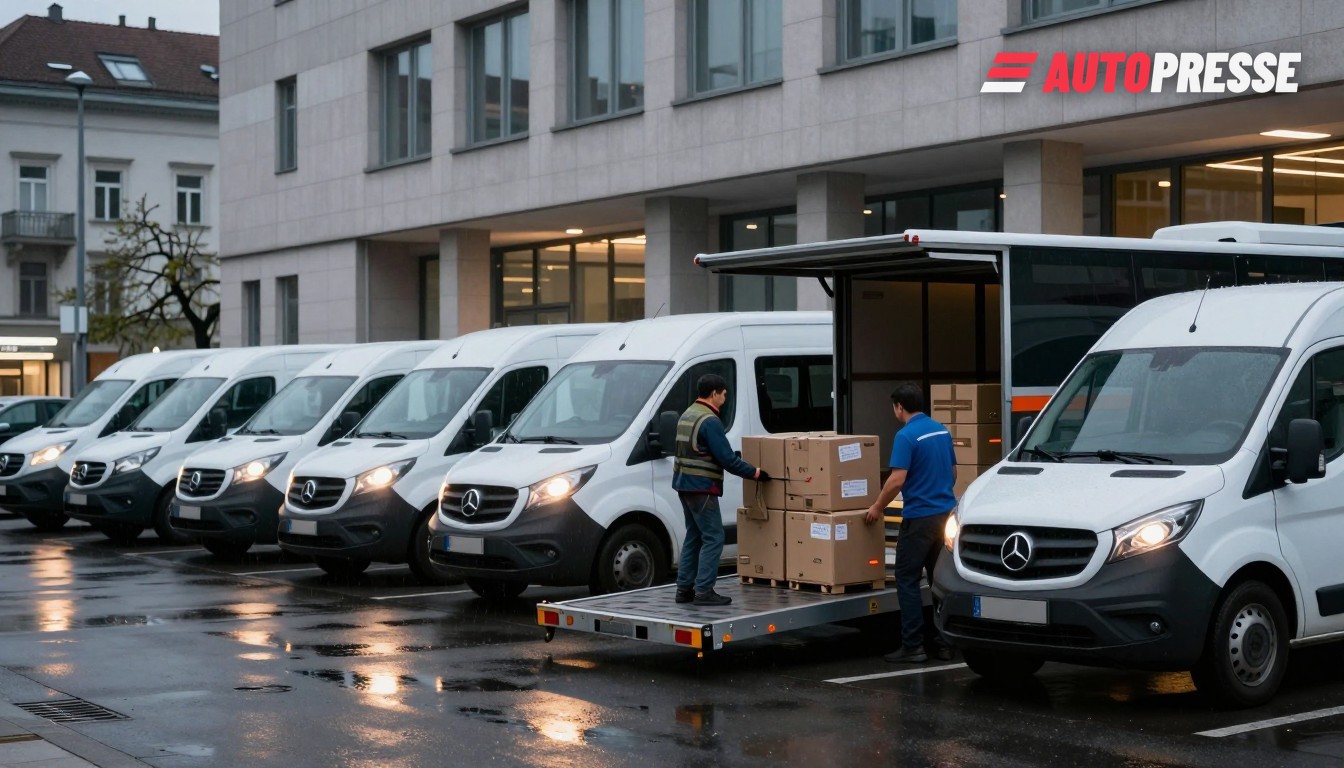
At the same time Germany’s nationwide truck‑charging programmes and depot concepts have advanced: VDE highlighted the roll‑out of megawatt charging points, smart depots and more than 4,200 associated charging locations as part of the truck charging ramp‑up in 2026, noting that solar and battery storage will be needed to integrate those loads. “Solar power and battery storage can transform the depot into an integrated energy and operations system,” VDE quoted a project speaker.
Battery recycling: pilots go commercial, capacity rises
Recycling capacity in Germany and neighbouring regions has jumped: a Fraunhofer ISI review (status October 2026) finds that announced and installed European recycling capacity now exceeds the immediate feedstock from end‑of‑life batteries and production scrap — a sign the industry is scaling logistics and processing ahead of expected EoL waves.
On the ground, several projects moved from pilot to permitted status in 2026. Fraunhofer IWKS spin‑off Viridis Recycling received approval under Germany’s Federal Immission Control Act (BImSchG) for a Hanau site on 14 July 2026, a step towards operational recovery of used lithium batteries.
Commercial players also consolidated assets: Cylib acquired a Bavarian EV battery processing facility in July 2026, adding a mechanical pre‑processing unit that will feed hydrometallurgical refining in Dormagen and expand Germany’s domestic black‑mass throughput.
What this means for the market
The combination of more public chargers, new high‑power sites in Austria, truck depot pilots and rising recycling capacity closes two strategic gaps at once: access to charging for drivers and fleets, and secure secondary supplies of critical raw materials for European cell and battery makers. Policymakers still face price transparency, permitting speed and grid‑connection bottlenecks — but manufacturers and suppliers can now plan local supply chains with more certainty because recycling and high‑power charging are becoming tangible, near‑term projects.
If Germany keeps the deployment pace and Austria pushes targeted high‑power pilots, workshops, depots and regional suppliers from Upper Austria to Bavaria stand to gain new revenues in retrofit, maintenance and materials processing. For drivers the immediate wins are more stations and higher peak power at selected locations — for industry the prize is reduced import dependency on raw materials as recycling capacity comes online.
Electric vehicle listings on WorldTrader24 →
Sources: Fraunhofer ISI, Vision Mobility/BDEW monitor, Electrive (Smatrics/EnBW), Fraunhofer IWKS, Electrive (Cylib)