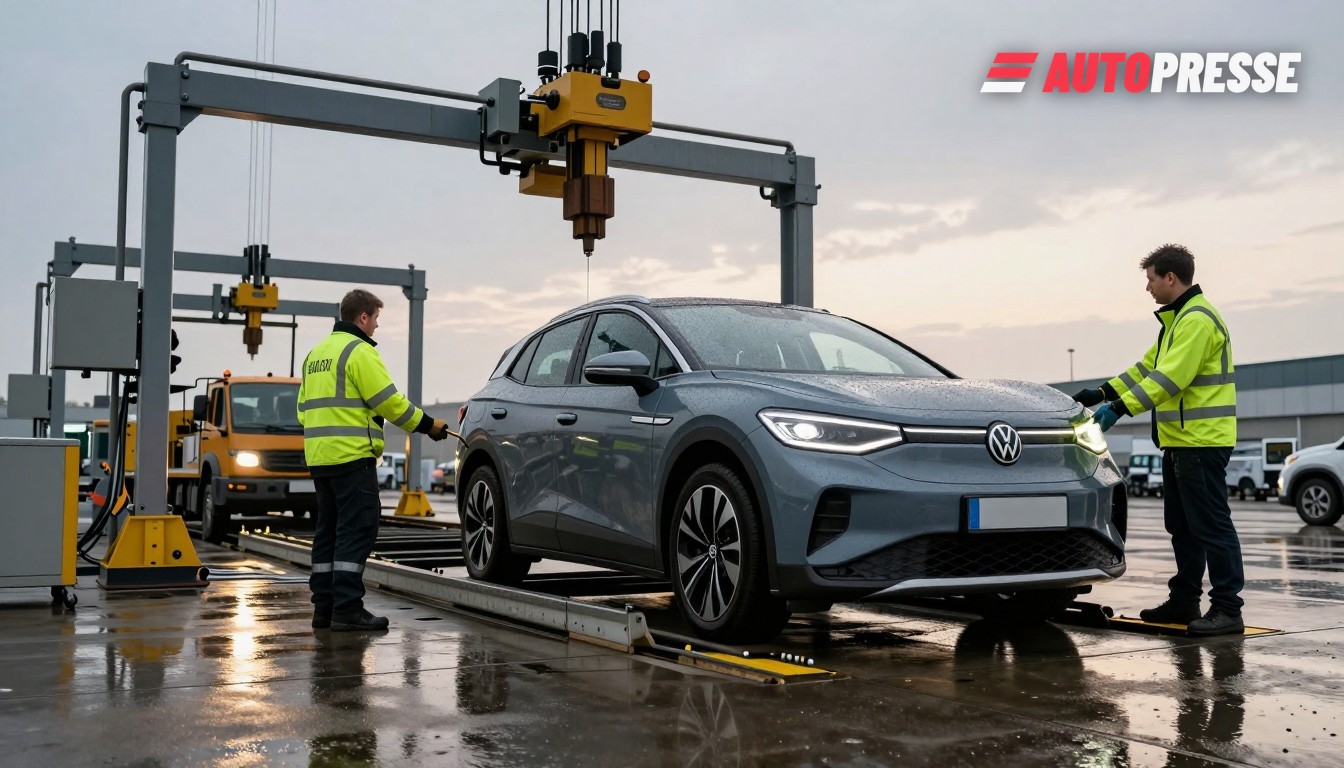
Germany and Austria are hurtling through a new industrial phase: electric‑vehicle demand is lifting registrations, yet manufacturing volumes and supplier margins show strain — a reality that matters to drivers, dealers and the workforce alike. In October 2026 German passenger‑car production fell to 326,300 units while the BEV share climbed to 37% of new registrations, underlining a market pivot that is reshaping plants, logistics and supplier books.
Factory moves and the battery race
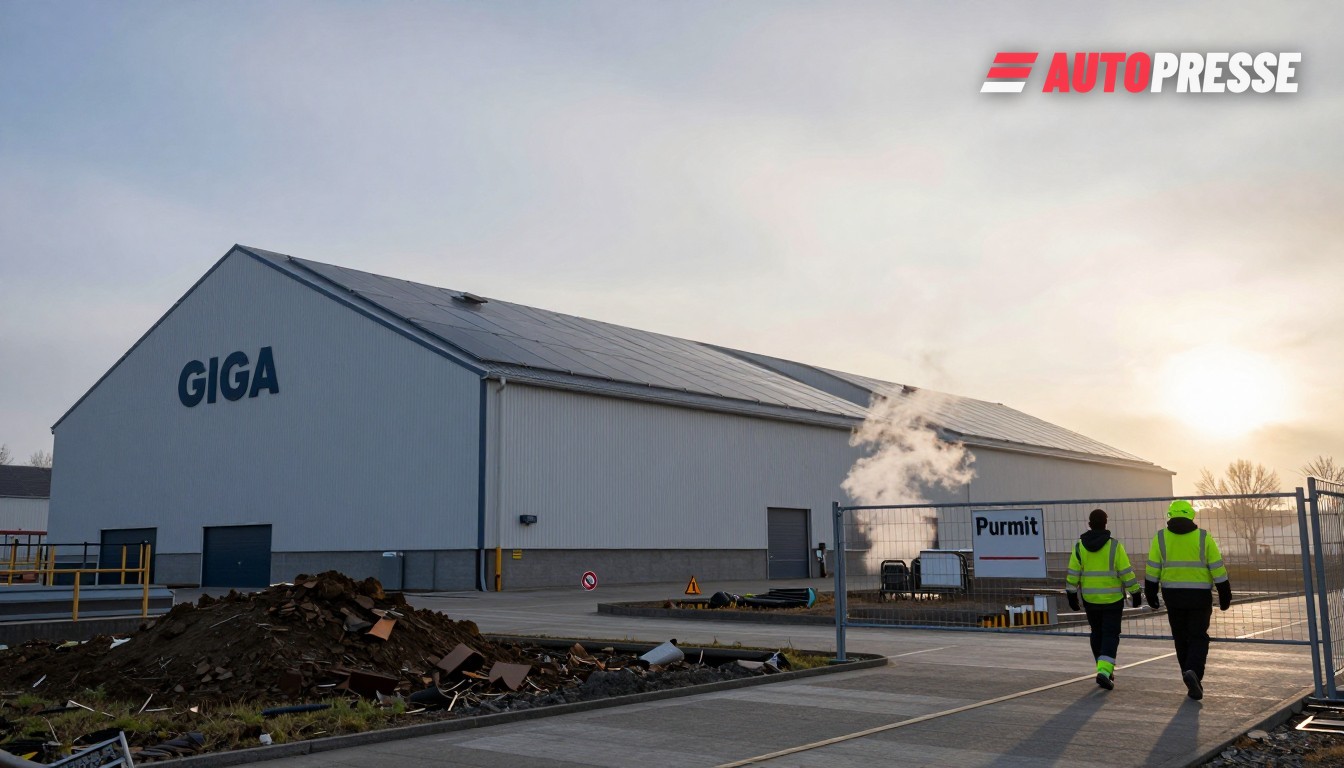
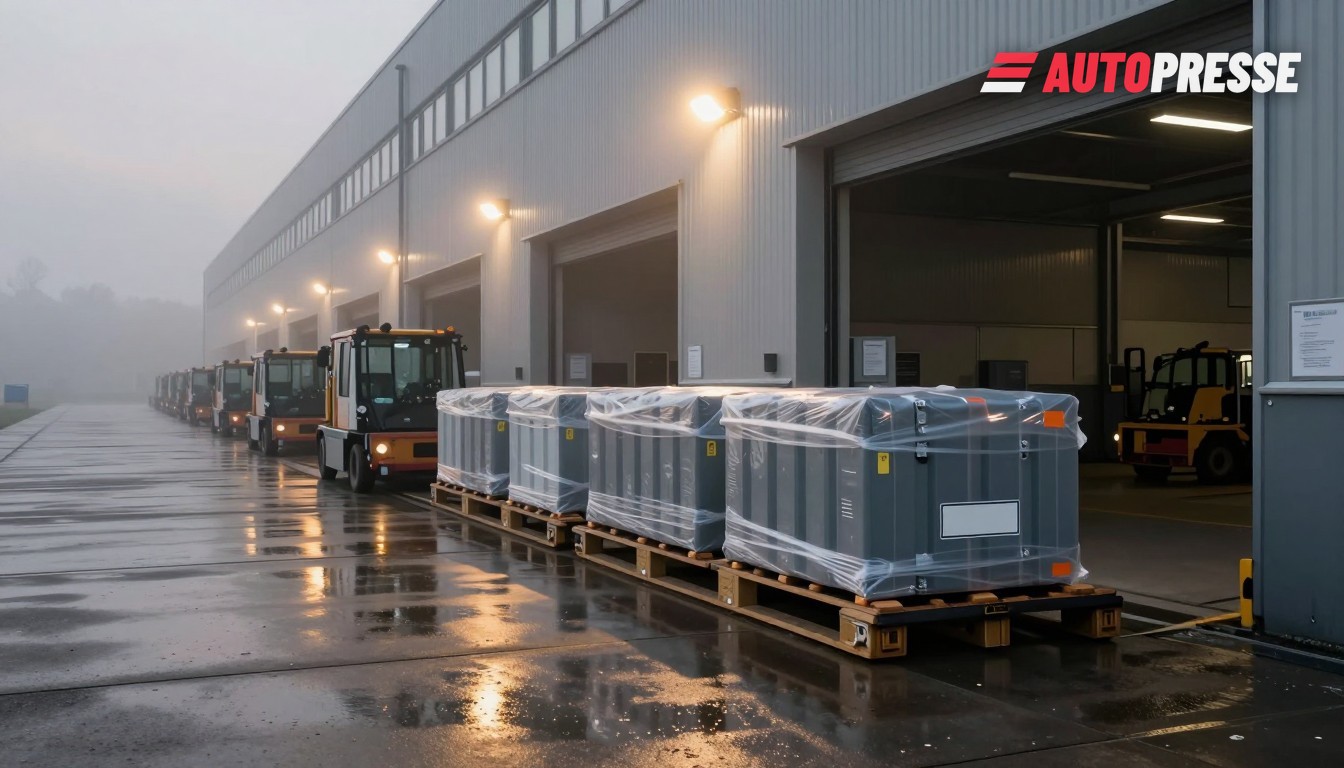
Automakers are responding with heavy, concrete bets on local production. BMW formally opened its Plant Irlbach‑Straßkirchen in Bavaria as a high‑voltage battery site — an investment of around €1 billion on a 60‑hectare site that BMW says will supply German vehicle plants and employ about 1,600 people once fully operational; the factory reached pre‑series output in March 2026 and entered series production in autumn 2026.
Austria is not standing still: BMW is investing more than €100 million at its Steyr plant to bring power‑electronics (performance modules / inverters) production in‑house, with the new line planned to start in summer 2029 — a move BMW describes as reducing supplier dependence in a geopolitically sensitive technology field. The Steyr site already employs roughly 4,700 people and will be retrained for the new tasks.
On the vehicle side Audi began series production of the A2 e‑tron in Ingolstadt in September 2026, citing a shortened development cycle, fewer part numbers and a higher degree of automation as reasons it can build a mass‑market BEV economically in Germany. Audi highlights digital factory tools — including an industrial cloud and AI assistants — to cut complexity and speed ramp‑up.
Suppliers under pressure — results and restructuring
But suppliers feel the squeeze. voestalpine reported ‘solid’ first‑half results for its 2026/27 year (April–September 2026) — revenue roughly €7.7 billion and EBITDA €846 million — while warning that its Automotive Components business remains under pressure from weak demand in Europe, China and North America; headcount at the group fell about 2% to 48,616 FTEs in that period. The company confirmed ‘greentec steel’ remains on schedule for start‑up in the first half of calendar 2027.
Those supplier dynamics reflect the broader pattern: OEMs are investing to secure high‑value EV components at home (batteries, inverters), yet tier‑suppliers face restructuring and margin volatility as volumes shift and production footprints are rebalanced.
What this means for the market
The combined picture is straightforward and evidence‑based: strong consumer appetite for BEVs (BEV registrations and domestic BEV orders are climbing) is driving OEM capex into batteries and power electronics in Germany and Austria, while traditional production volumes remain below pre‑crisis levels — Germany’s year‑to‑date output after ten months still trails 2019 by roughly 15%. That mix creates winners (plants and regions that host new battery and electronics lines) and losers (parts businesses exposed to lower combustion volumes and to cost pressure).
For drivers and dealers the near‑term outcome is a richer BEV choice and continued incentives for electrified models, but it also means used‑car and aftersales markets will rebalance — workshops and dealers should plan investments in high‑voltage skills and power‑electronics servicing. For employees and policymakers the message is clear: secure the skilled training pipeline and stable industrial framework now, because the capital is flowing to plants that can deliver batteries and control electronics at scale.
Electric car listings on WorldTrader24 →
Sources: Verband der Automobilindustrie (VDA), BMW Group, Audi AG, voestalpine, ORF