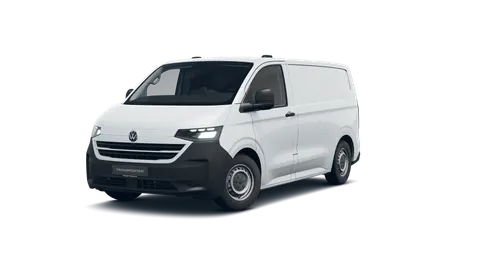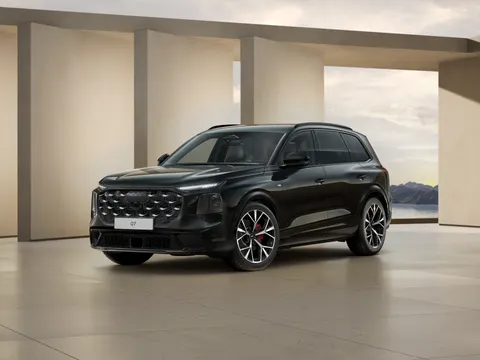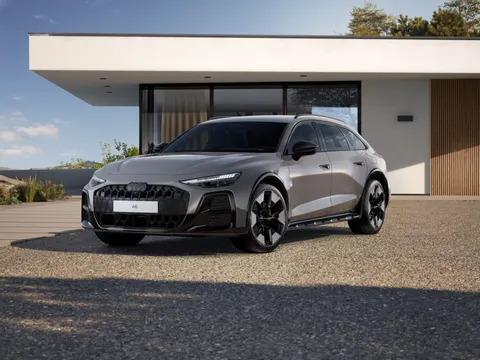
The German and Austrian automotive sectors entered November with a sharper contrast than usual: a noticeably improved industry mood in October, while global competitive pressures — especially in China — and structural costs continue to squeeze margins, suppliers and investment plans. The shift matters for employees, dealers and buyers: hiring and model availability depend on whether sentiment turns into real investment rather than short‑term optimism.
Sentiment improves — cautiously
Business sentiment in the German automotive industry improved “significantly” in October, according to the ifo Business Climate Index released on 4 November 2026. The institute notes that confidence has been helped by recent political steps on European industrial policy and a Franco‑German automotive initiative, but it warns that sentiment remains vulnerable to external shocks.
That cautious optimism is reflected in industry and government documents pushing for targeted support for competitiveness: Germany’s Annual Economic Report 2026 underlines the need for investments in affordable energy, skills and clean‑industrial capacity to secure the sector’s future. The report frames the transformation as a policy priority to protect jobs while decarbonising production.
Outside risks: China and structural pressures
At the same time, export and market pressures are tangible. Major German manufacturers reported steep sales declines in China earlier in 2026, a development that industry analysts say is forcing faster strategic change across product portfolios and cost bases. The drop in China remains the single biggest external shock shaping boardroom decisions and model planning.
Structural strain in supplier finance and insolvencies remains a drag on the wider value chain. Independent industry analyses and insolvency studies show the sector has seen a sharp rise in supplier distress in 2025–26, raising the risk that short‑term factory and engineering investments are postponed while companies complete restructurings. Policymakers and OEMs are increasingly focused on smoothing those knock‑on effects.
What this means for the market
For buyers and drivers in Germany and Austria, the immediate consequence is mixed: manufacturers will keep launching new BEVs and ICE‑hybrids, but model availability and local production footprints will be reshaped by strategic decisions driven by China exposure and cost targets. For dealers and suppliers, improved sentiment offers a narrow window to secure order books, but many small and mid‑tier suppliers still face refinancing and demand risks that could translate into plant consolidation or M&A. For employees, the policy push in Berlin and Brussels aims to protect jobs — but only if investment follows sentiment and OEMs stabilise margins.
In short: October’s uptick in confidence is welcome, but Europe’s largest car cluster will need sustained capital, clear industrial policy and better insulation from volatile export markets — especially China — before the recovery becomes durable.
WorldTrader24 B2B vehicle marketplace for dealers →
Sources: ifo Institute, AP News, Federal Ministry for Economic Affairs (Annual Economic Report 2026), ACEA, PwC