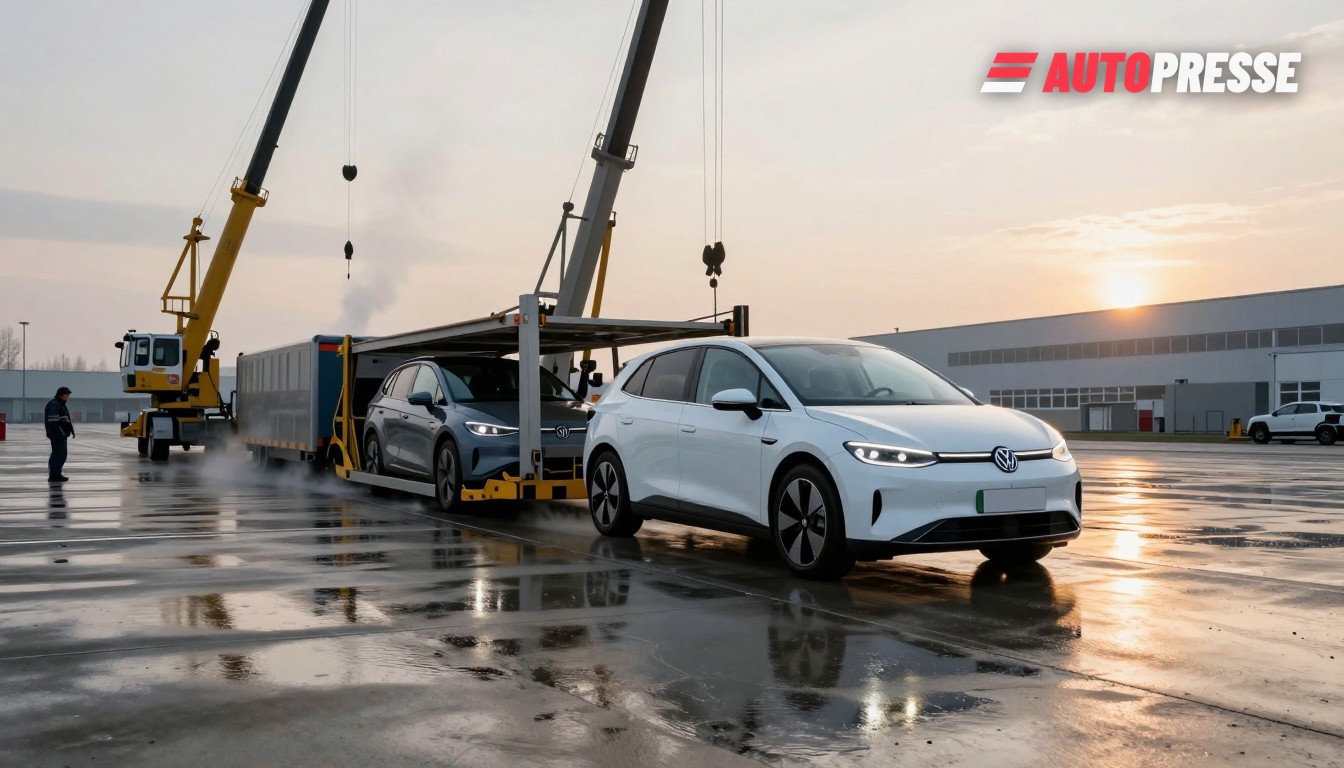
The German and Austrian auto sectors are sending mixed signals into late 2026: manufacturing activity and dealer registrations have picked up, yet rising imports — especially battery‑electric vehicles from non‑European brands — and falling output at some groups are keeping margins and suppliers on edge. For drivers, dealers and plant workers in both countries the result is cautious optimism rather than a full recovery.
Numbers: a rebound in production, stronger Austrian registrations
Official data show a short‑term rebound in German industry driven by cars: real new manufacturing orders rose in September, with the automotive sector up 10.5% month‑on‑month (seasonally adjusted), helping industrial production to tick higher. The German auto association’s market update also records stronger activity in October and rising BEV demand from domestic buyers.
Across the border, Statistics Austria reports passenger‑car registrations rose 10.7% in January–October 2026 (265,282 new cars), and industrial production in Austria increased 0.6% year‑on‑year in September 2026.
Pressure from imports and group‑level contraction
Despite the rebound, market structure is shifting. International manufacturers — many non‑German brands — have doubled their share of BEV registrations in Germany’s fast‑growing electric market, raising competitive pressure on local brands and dealers. Meanwhile large groups report uneven production: Volkswagen Group’s published figures show global automotive production from January to September 2026 down about 10.3% year‑on‑year, even as the share of cars produced in Germany edged up slightly.
Observers point to two drivers behind the squeeze: growing exports from Chinese manufacturers into Europe and strategic capacity moves that shift some output outside Germany and Austria. International passenger‑car exports surged in October, and Europe remains a major destination for those exports.
What this means for the market
Short term: the data give vendors, plant managers and unions a breathing space — production and orders rose in September and dealer activity is stronger — but gains are fragile. The ifo business climate for the German automotive sector improved in October, signalling better sentiment among firms even as uncertainty persists.
Medium term: imported BEVs and global re‑routing of volumes mean German and Austrian OEMs and suppliers must accelerate product differentiation, cost control and localisation of high‑value components. Suppliers such as steel and parts groups report steady but selective demand; voestalpine’s most recent trading update described satisfactory automotive demand in the first half of 2026/27, while also noting challenges in specific components businesses.
For buyers and drivers the immediate outcome is more choice and competitive pricing in BEVs; for dealers the challenge is to convert higher showroom traffic into profitable sales and services as competition intensifies. For plant workforces, the rebound lowers the immediate risk of cuts but does not eliminate structural pressures from automation and re‑shoring decisions at group level.
Electric vehicle listings on WorldTrader24 →
Sources: VDA, Statistik Austria