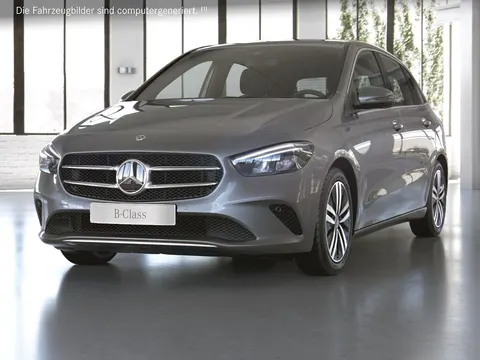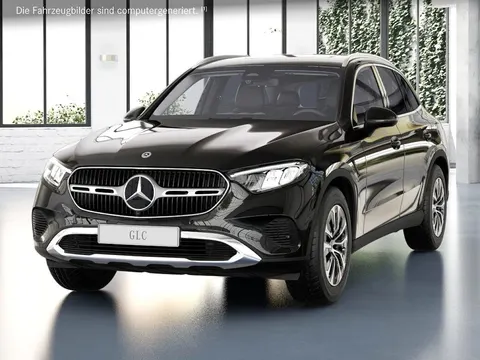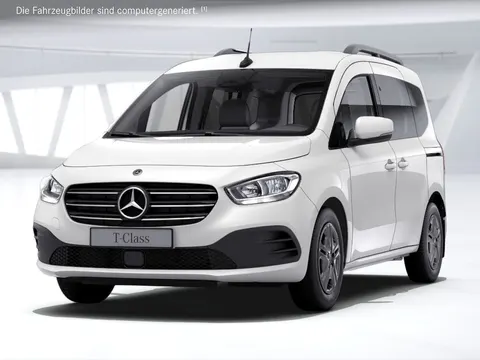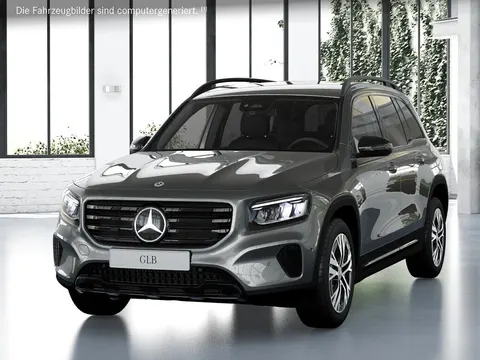
The German and Austrian car industries are following different playbooks as electrification and global competition reshape production. Germany’s headline production numbers are softer and major groups are cutting volumes; Austria’s niche as a contract‑manufacturer is turning into a lifeline for European EV supply chains.
Numbers and moves: production, contracts and capacity
The German Association of the Automotive Industry (VDA) reports domestic car production in October 2026 at 326,300 vehicles, down 7% year‑on‑year, and January–October 2026 production at 3,370,700 units (‑4%). These figures underline a modest contraction in German factory output through the first ten months of 2026.
Within that softer picture the Volkswagen Group told investors on October 29, 2026, that group production fell by 10.3% in the first nine months of 2026 versus 2025 (5,957k units in 9M 2026 vs. 6,644k in 9M 2025), and deliveries were down roughly 9–10% in the same period — concrete signs that market and margin pressure are already affecting plant utilisation.
At the same time, Tesla has signalled capacity ambition in Germany: in mid‑November 2026 Tesla announced a multi‑billion‑euro expansion plan for its Gigafactory in Grünheide, Brandenburg, including a phased construction programme and additional battery capacity; electrive reported the figure as roughly €3 billion and outlined a three‑phase build‑out beginning with work in 2027. The site already runs at substantial weekly volumes but the expansion would materially increase European cell and vehicle capacity if approved.
Austria’s counter‑trend: Magna Steyr and Chinese marques
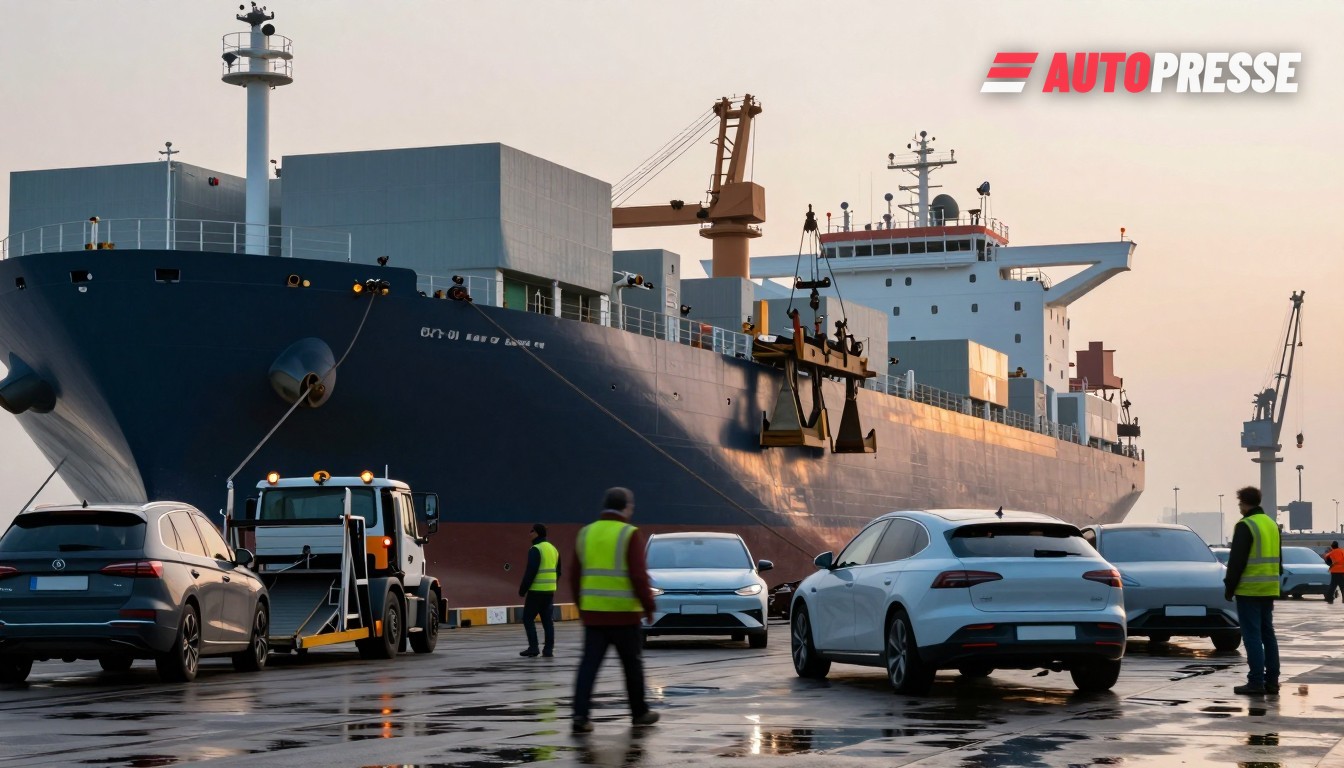
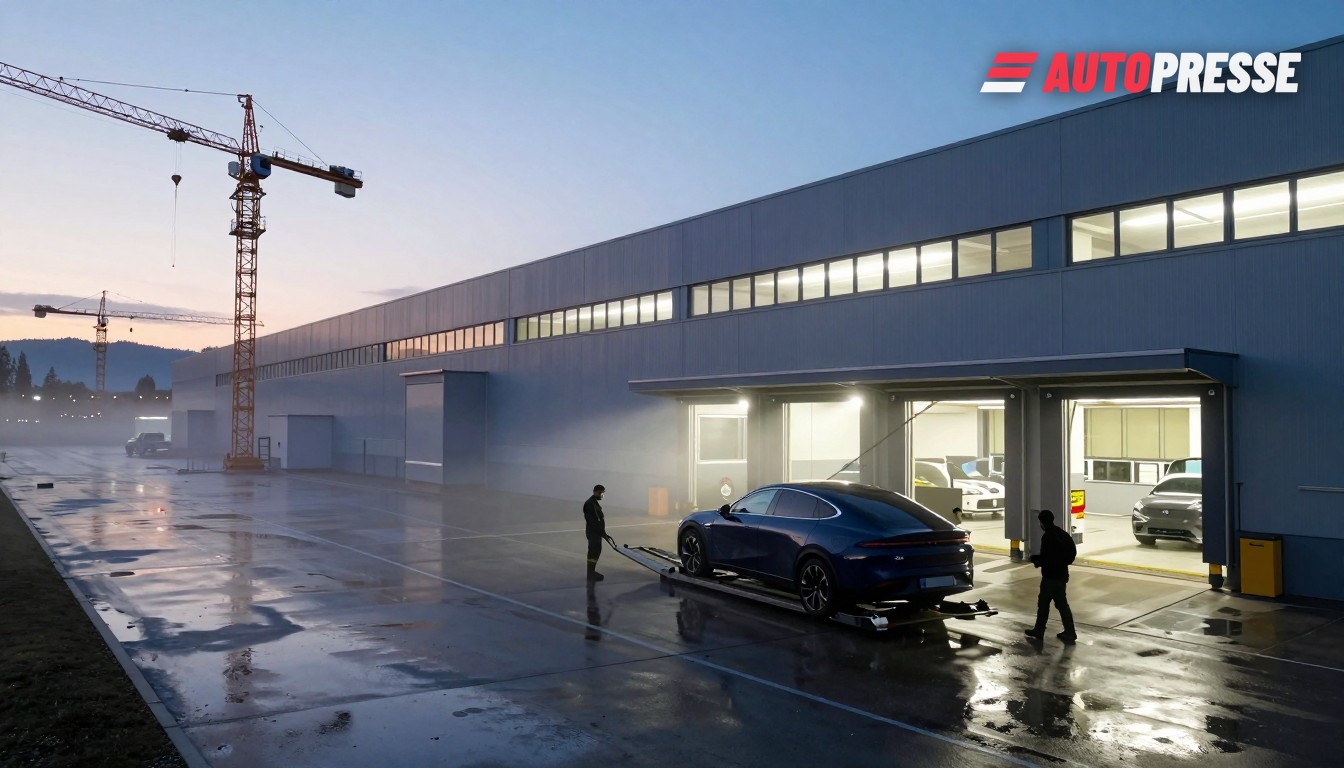
Meanwhile in Graz, Magna Steyr has moved from niche contract programmes to a broader European assembler of Chinese EV brands. IndustryMagazin and company reporting show Xpeng models (G6, G9, P7+) and GAC Aion vehicles assembled in Graz since September 2025, with trial production of Xpeng’s larger G9L confirmed in October 2026. That surge has raised output volumes at the plant even as traditional programmes ended; Magna’s approach lets Chinese brands avoid EU import duties by assembling cars inside the EU.
For Austria the marketside data also look firmer: Statistik Austria notes a strong rise in new passenger‑car registrations through 2026 (Pkw‑neuzulassungen January–October 2026 up about 10.7%), signalling continuing retail demand that supports assembly and distribution in the Alpine republic.
What this means for the market
Two clear implications follow. First, Germany remains the continent’s manufacturing heavyweight but is under pressure: monthly VDA data and VW’s nine‑month figures show reduced volumes and a need to cut costs or reallocate investment to stay competitive. Suppliers and SMEs report weak sentiment, postponed investments and workforce reductions in Germany — all factors that can depress regional capacity if not addressed.
Second, Austria’s Graz example demonstrates an alternative growth path: flexible contract manufacturing can capture inbound industrial demand (in this case from China‑based EV makers) and sustain plants that lose traditional OEM programmes. That helps preserve local jobs and logistics volumes, but it also shifts value‑capture: contract assembly raises volumes while leaving component sourcing and some margins with the brand or overseas suppliers.
For dealers, fleets and suppliers the immediate takeaways are practical: expect more European‑built variants of Chinese EVs arriving from Austrian assembly lines; anticipate continued plant retooling and cost programmes at German OEMs; and plan for a two‑speed region where contract plants and large OEMs pursue different investment timelines and partners.
WorldTrader24 B2B vehicle marketplace for dealers →
Sources: VDA, Volkswagen Group, electrive, FAZ, IndustrieMagazin, CnEVPost, Statistik Austria