Germany’s and Austria’s automotive supplier networks are entering winter with two simultaneous trends: heavy investment in energy and manufacturing resilience at some groups, and capacity cuts at smaller tiers. For drivers, dealers and plant workers this means faster decarbonisation of local plants — but also renewed pressure on mid‑tier jobs and purchasing security across the supply chain.
Big bets on energy and local capacity
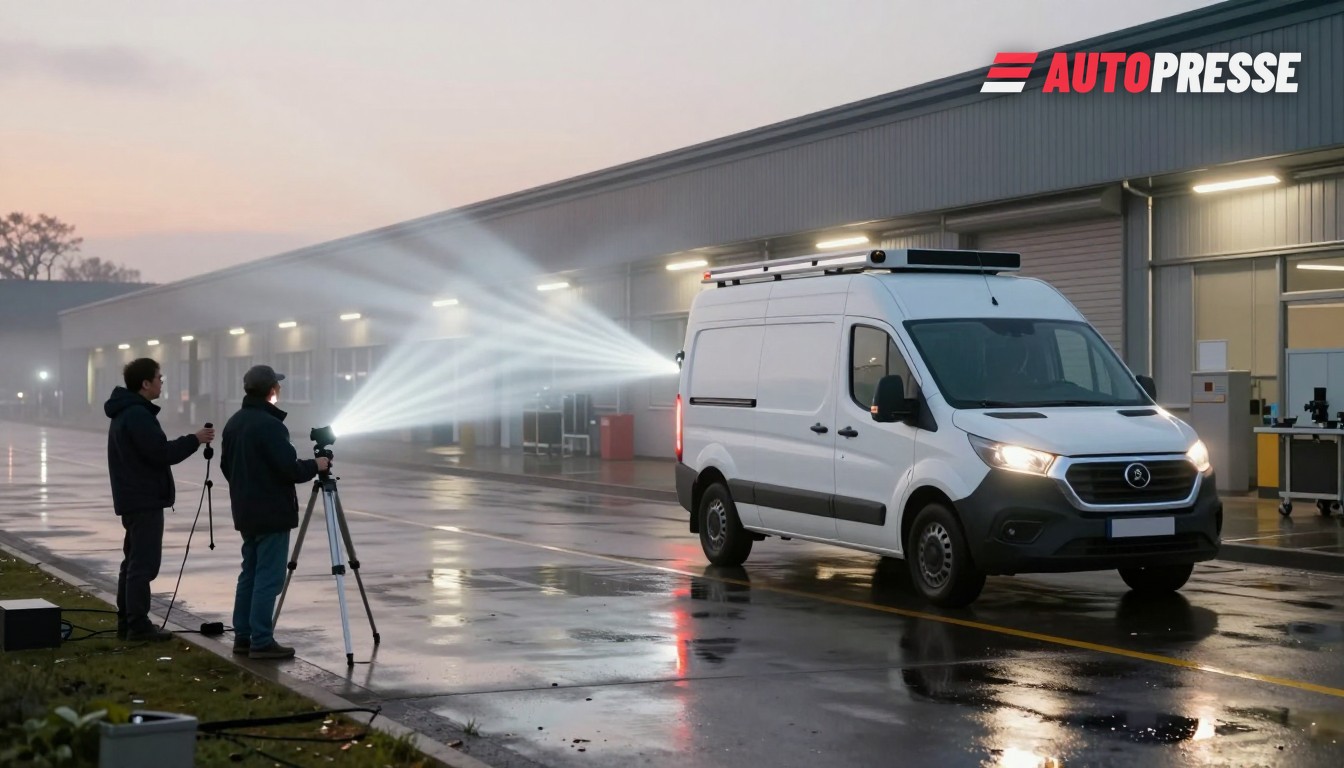
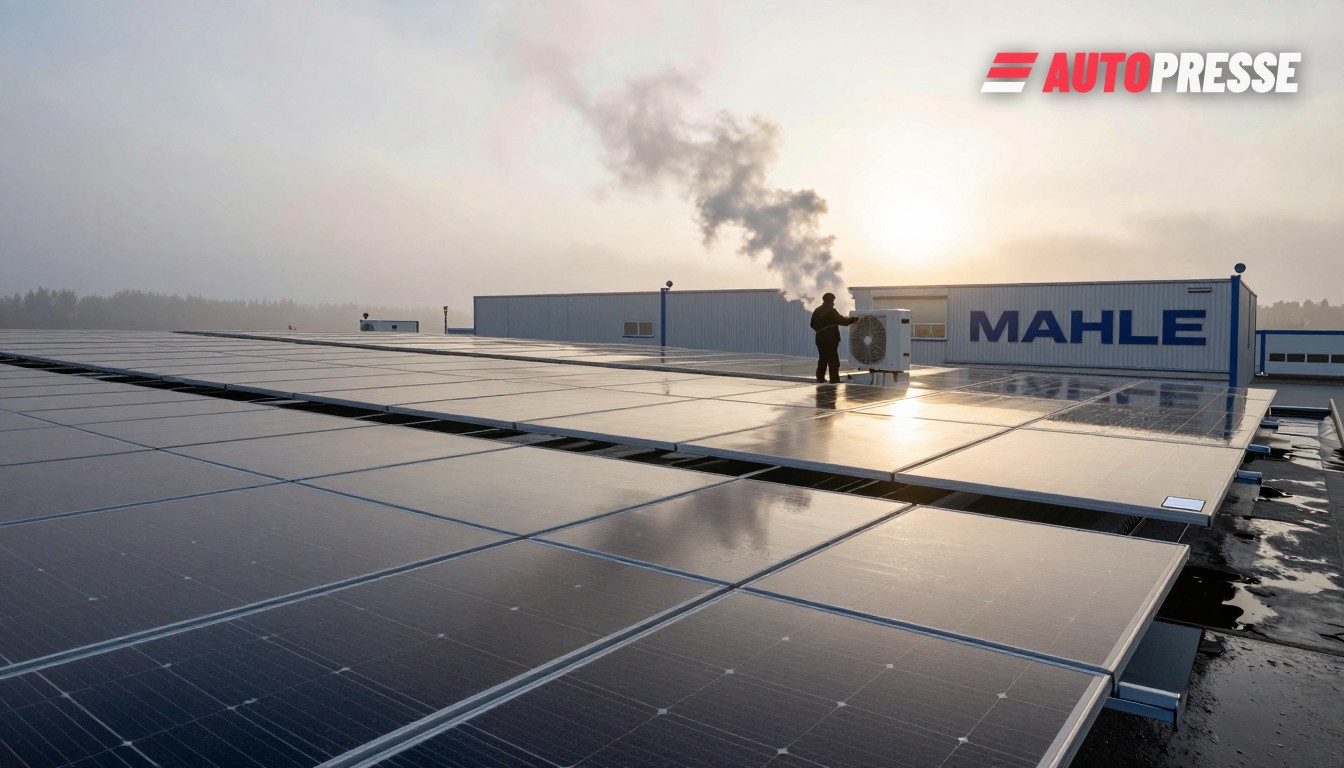
MAHLE has just brought Germany’s largest photovoltaic‑thermal (PVT) industrial installation into service at its Vaihingen an der Enz site: more than 1,000 hybrid modules across roughly 2,000 m², coupled with a geothermal borehole field and heat pump, now cover almost the plant’s heat demand, the company says (commissioned 29 October 2026). Martin Wellhöffer of MAHLE’s management framed the project as a bridge from automotive thermal know‑how to industrial energy technology.
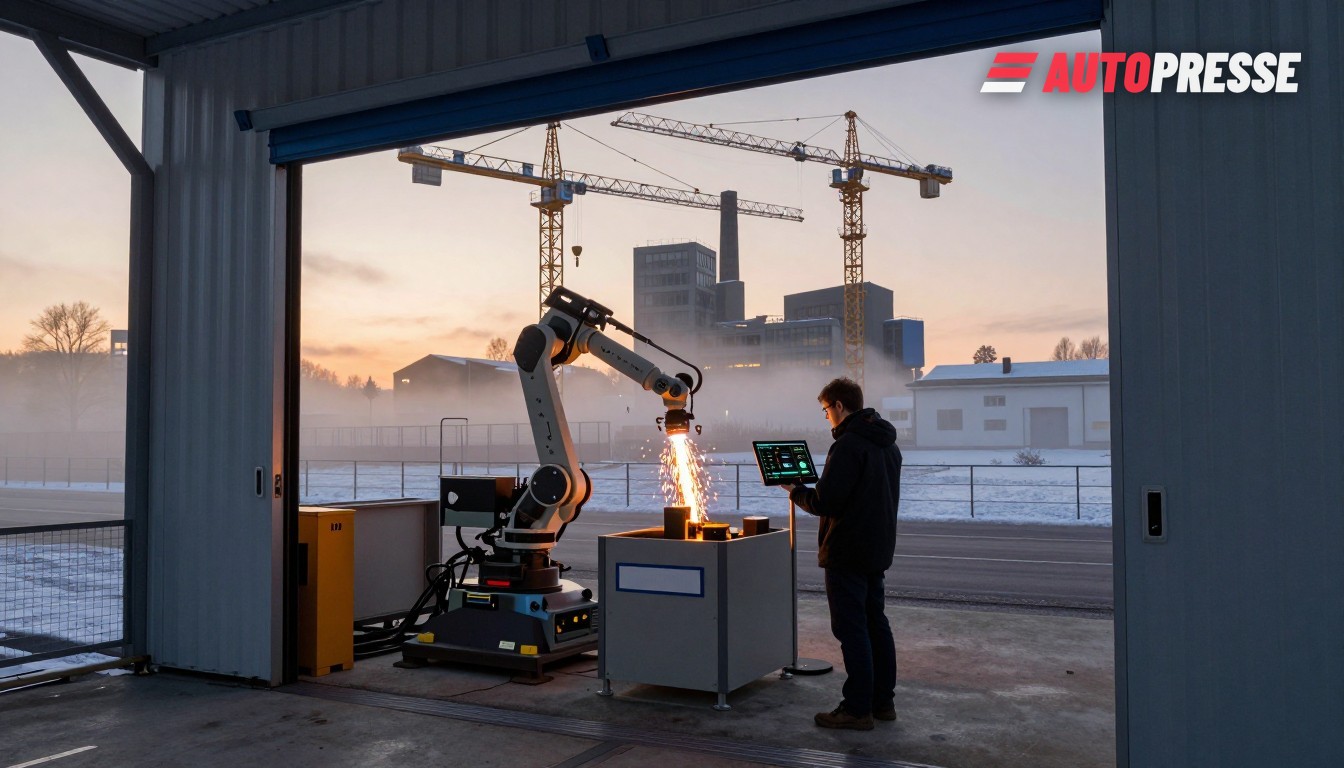
Across energy‑tech manufacturing, SMA opened a new “Gigawatt Factory” in Niestetal (near Kassel) on 17 September 2026 — an €80m investment the company says will produce large‑scale power‑electronics for PV, storage, hydrogen and data‑centre applications and reach more than 60 GW of annual capacity at full utilisation. The plant’s footprint and stated 60 GW target underline how European energy‑infrastructure supply is being expanded close to German OEM and supplier clusters.
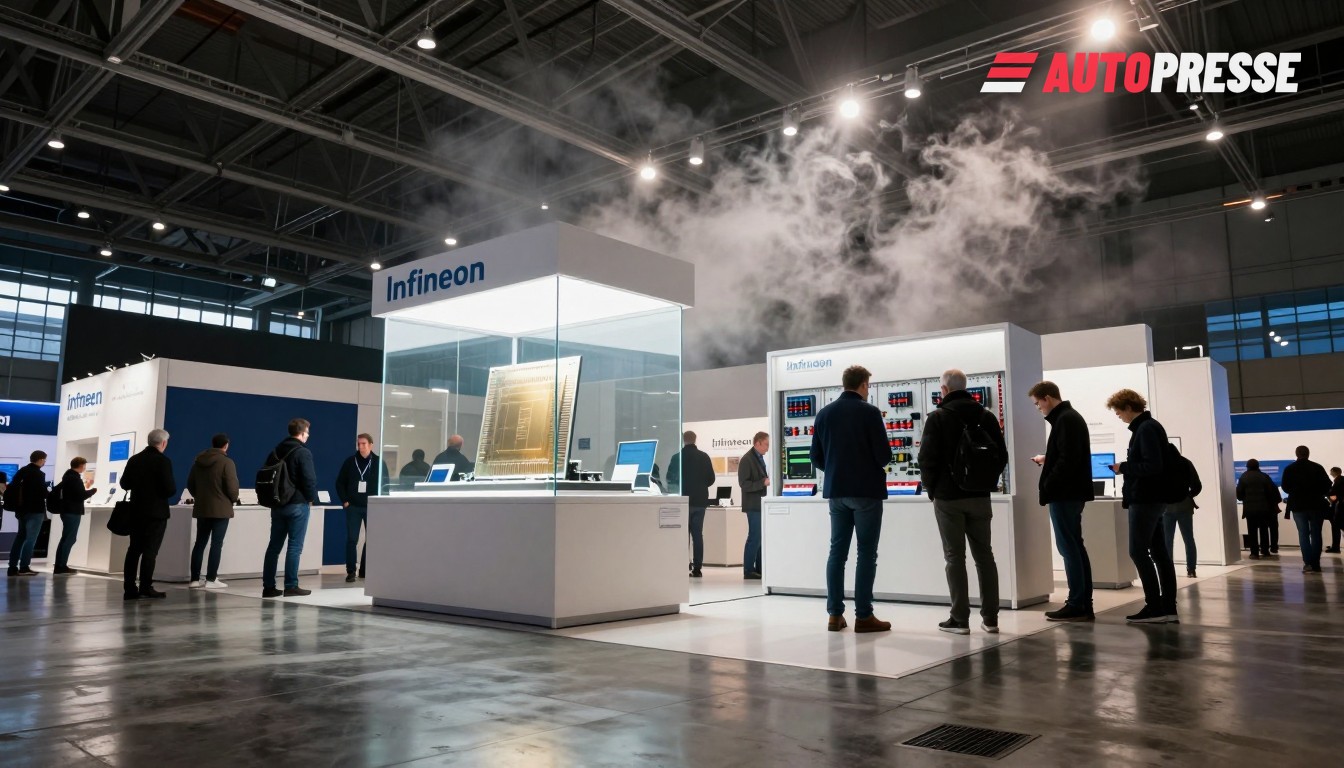
Chip and power‑electronics supplier Infineon opened a new office and laboratory building at its Warstein innovation site on 28 October 2026; the facilities are explicitly linked to Green Energy Modules & Systems and to automotive power‑electronics work, illustrating how semiconductor firms are tying test and application environments to European vehicle electrification needs.
Mid‑tier adjustments: cuts and reorganisations
At the other end of the market, mid‑tier supplier Polytec — headquartered in Hörsching, Upper Austria — cut about 800 jobs (announced in August 2026) through plant sales, closures and optimisation measures after revenues fell nearly 20% in H1; the company says the moves aim to adjust capacity and reduce dependence on OEM cycles. These headcount and plant changes underline the uneven impact of electrification and procurement pressure across supplier tiers.
Separately, large diversified groups are also reshaping portfolios: Freudenberg recorded the formal dismantling of its e‑Power Systems Business Group effective 1 January 2026, leaving only selected hydrogen components inside other business units — a sign that some conglomerates are scaling back full EV‑system bets while retaining niche hydrogen and component activities.
What this means for the market
For OEM purchasing and dealers the immediate effect is a sharper split: suppliers that invest in on‑site energy and local high‑volume electronics will be better positioned to offer secure supply and stable net‑zero roadmaps; smaller and mid‑tier firms that cannot fund such projects face consolidation, plant sales or workforce reductions. For local labour markets in Baden‑Württemberg, North Rhine‑Westphalia and Upper Austria, that means simultaneous green investment jobs and structural job losses in legacy plants. Consumers and dealers should expect continued pressure on some component lead times and pricing as the supplier base rebalances towards energy‑resilient producers and large‑scale power‑electronics capacities in Germany.
The pattern is practical rather than ideological: factories that can cut fossil fuel use and insource critical inverter and power‑electronics supply improve production resilience against grid stress and energy price volatility, while the mid‑tier shake‑out makes supplier qualification and secondary sourcing a purchasing priority.
B2B vehicle listings for dealers on WorldTrader24 →
Sources: MAHLE, SMA, Infineon, Kronen Zeitung, Freudenberg, Automobil‑Industrie, pv‑magazine