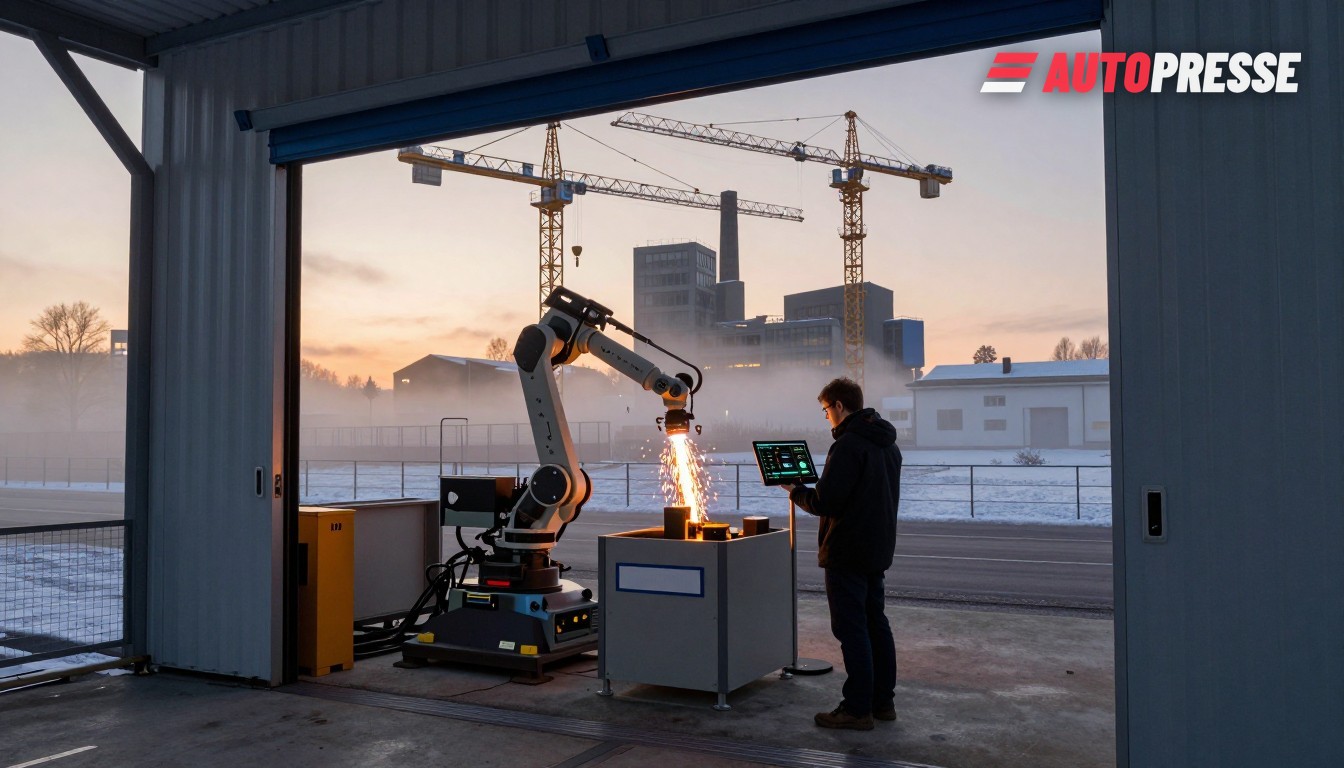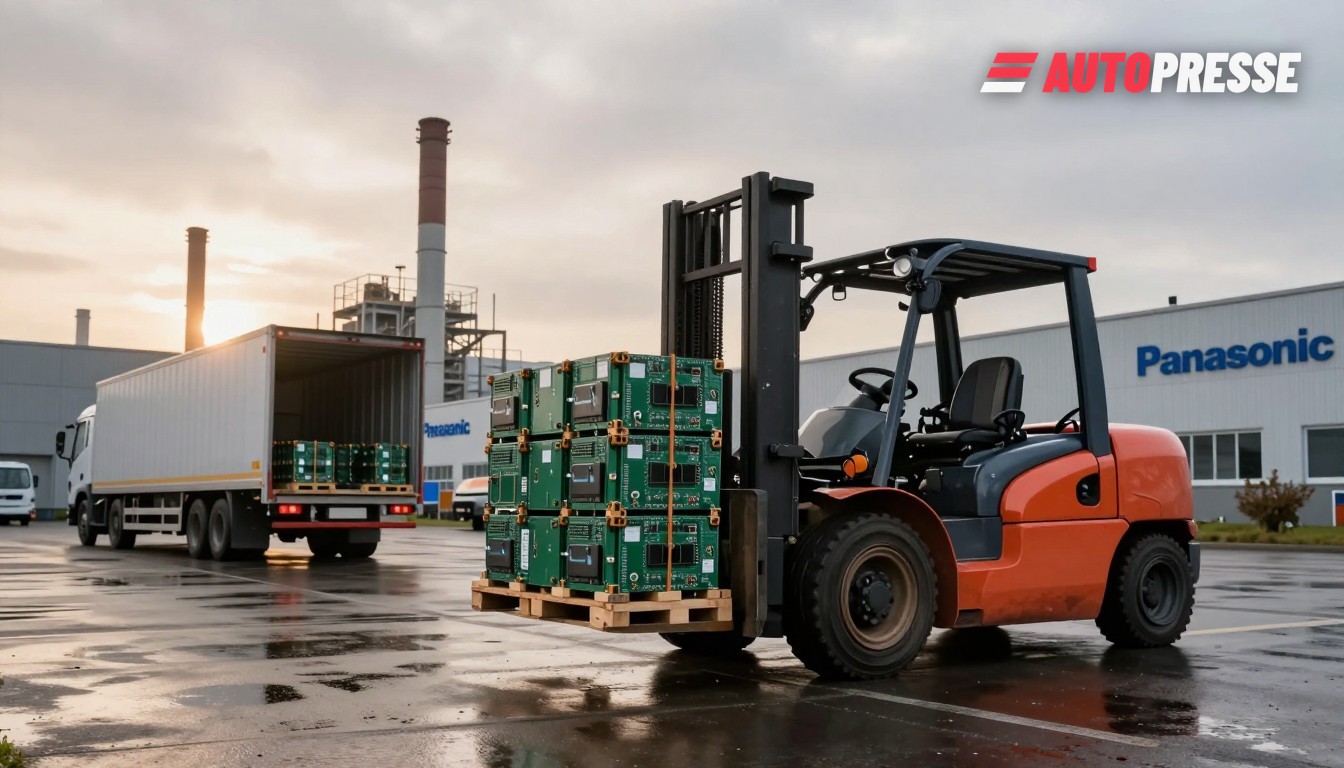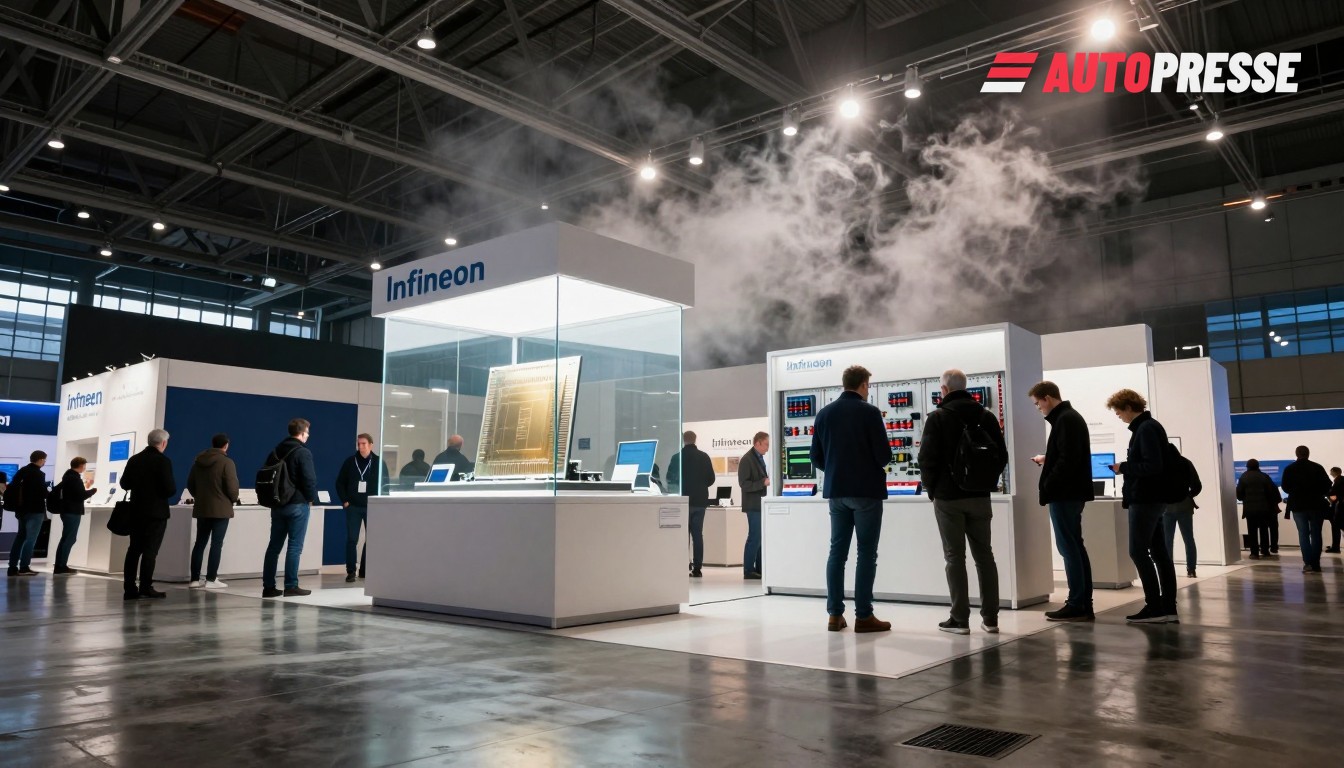
Germany and Austria’s automotive suppliers are betting on test and validation capacity as the new wave of wide‑bandgap semiconductors (SiC/GaN) and stricter EMC and functional test regimes move from lab projects into series production. That shift is forcing mid‑tier engineering houses and test‑equipment makers to expand benches, recruit power‑electronics specialists and sell new end‑of‑line rigs to tier‑1s and module makers — a change that touches suppliers, OEM test shops and component repairers across DE & AT.
Exhibitions and product launches make the scale visible
Two trade events this year underlined the pace: PCIM Nuremberg (June 9–11, 2026) and electronica Munich (Nov 10–13, 2026) featured multiple German and Austrian vendors showing automated dual‑pulse testers, Power‑HiL benches and wafer‑level SiC demonstrations. Rohde & Schwarz highlighted automated double‑pulse and RF‑plus‑DC test systems for battery‑BMS and power modules at PCIM, signalling demand for high‑throughput manufacturing tests.
Infineon — whose Villach site has become central to European SiC output — displayed a processed SiC wafer at electronica 2026, emphasising that device makers are moving to larger (300 mm) processes that require new test strategies and throughput‑scaled validation. Suppliers of ATE (automated test equipment) and bench builders now face both higher precision and higher volumes.
Labs, institutes and bench builders beef up capacity
Fraunhofer research groups and German test specialists report rising requests for motor and inverter test time as power‑electronics teams demand earlier virtual‑to‑hardware validation and accelerated ageing tests. Fraunhofer IISB and related institutes describe multi‑100 kW motor and inverter test benches and 1 MW class facilities for inverter validation that came online or were scheduled in 2026 to address these workloads.
Commercial players are responding: AVL’s power‑electronics test division promotes Power‑HiL and virtual e‑motor workflows to shorten validation cycles, while established industrial electronics firms (and specialist builders) are offering automated end‑of‑line EOL solutions tuned for WBG switching dynamics and EMC compliance. Bosch Engineering and other German suppliers list high‑voltage and SiC‑capable test rigs as standard parts of their product mix.
What this means for the market
First, suppliers that invest in test capacity will shorten validation times and win module and inverter contracts from OEMs shifting to SiC. That benefits testing houses, bench‑builders and calibration specialists — especially in Bavaria and southern Germany/Austria where hubs and research labs cluster. Second, component makers and tier‑1s face higher upfront costs for tooling and EOL testers; expect longer amortisation timetables but faster time‑to‑market for next‑gen inverters. Third, workforce demand is rising for power‑electronics test engineers and EMC specialists — a skills bottleneck that will shape hiring across DE & AT.
For workshops and repair networks the practical effect is mixed: modules become more complex to diagnose and repair, increasing reliance on specialist test houses; but improved bench coverage in Germany and Austria also means faster turnaround for warranty and remanufacture work. For dealers and buyers the change is indirect but decisive — better validated inverters and chargers shorten recalls and speed software/hardware updates to vehicles already in the field.
WorldTrader24 B2B vehicle marketplace for dealers →
Sources: Infineon, Rohde & Schwarz / Temcom, AVL List, Fraunhofer IISB, Bosch media service