Germany and Austria are taking different, concrete routes through the EV transition: in Germany a federally funded research push is putting AI‑driven, off‑board diagnostics into independent workshops; in Vienna a municipal utility has launched what it calls Austria’s largest second‑life battery to store local solar power. Both moves affect drivers, dealers and technicians — and they show how technology and circularity are being translated into everyday projects on each side of the border.
AI for the independent workshop: autowerkstatt4null
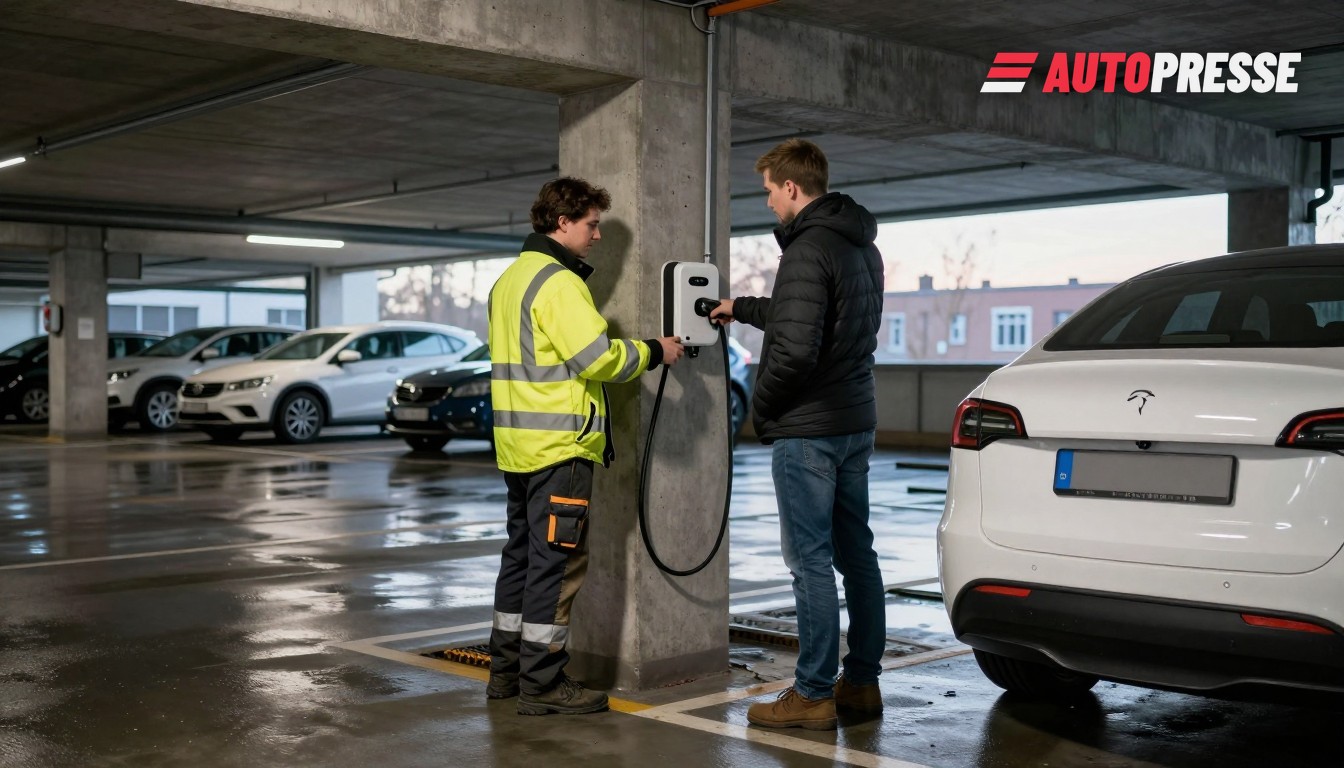
A new German research demonstrator called autowerkstatt4null offers independent garages an off‑board diagnostics ecosystem that combines a modular measurement platform, a secure data‑exchange hub and asynchronous online analysis — all designed to reduce dependence on manufacturer‑only tools. The project, documented in an arXiv paper published 27 August 2026, says the three‑year initiative was funded by the German Federal Ministry for Economic Affairs and Climate Action and includes a digital academy for technician upskilling.
The demonstrator aims to let workshops run flexible hardware interfaces, share anonymised fault patterns via federated learning and receive AI‑assisted repair plans without continuous online access to OEM back‑ends. Project authors argue this will close a capability gap between dealer and independent networks while keeping repair work local and reducing vehicle downtime.
Austria’s circular bet: Vienna’s 4 MWh second‑life store
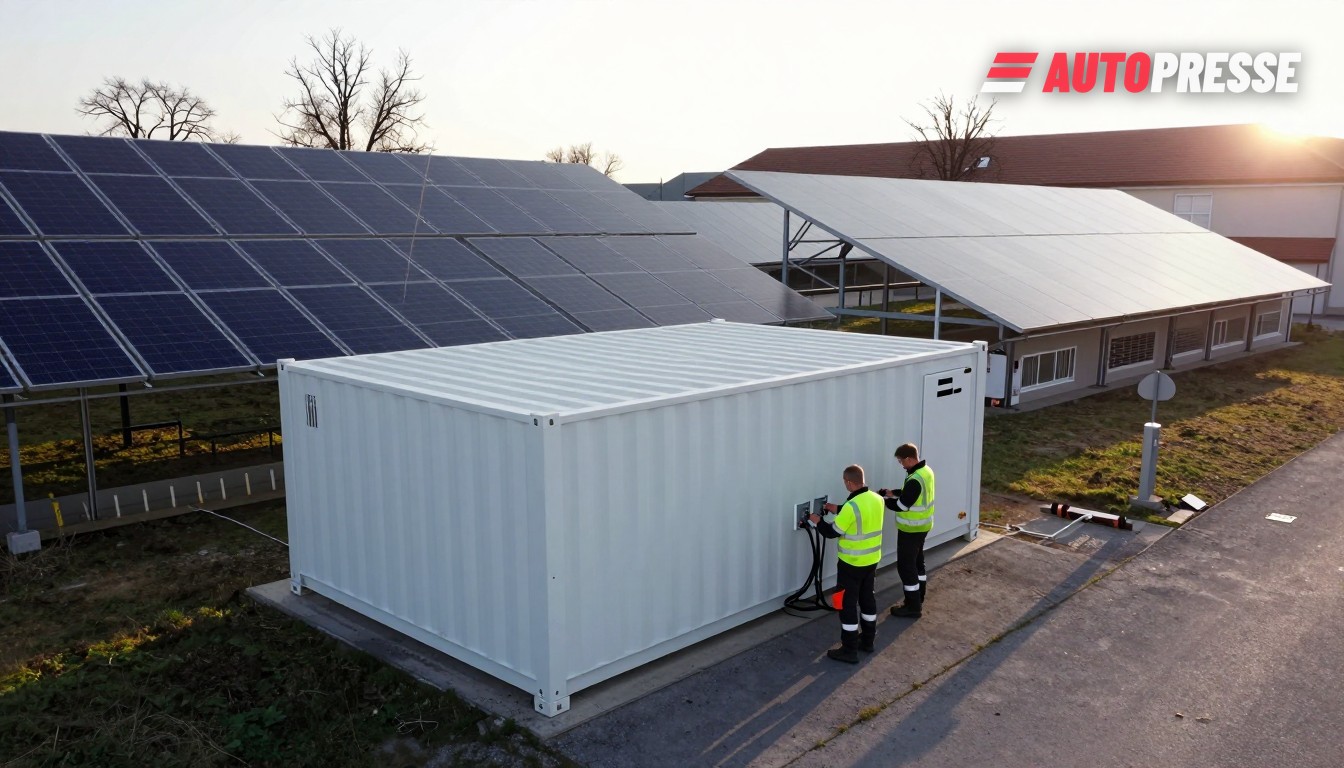
In Vienna, Wien Energie brought Austria’s largest second‑life batteries installation into operation in early August 2026: roughly 400 used EV battery modules form a 1 MW / 4 MWh containerised storage that buffers power from a neighbouring PV field of about 4,000 modules in the Rosiwalgasse (Liesing). Wien Energie says the store can supply the equivalent annual consumption of about 400 average Viennese households and extends module service lives by roughly a decade. The company and regional press reported the project in August 2026 and cited support from the Wiener Stadtwerke Zukunftsfonds and the Klima‑ und Energiefonds.
Wien Energie’s managing director framed the project as both climate‑action and resource‑efficiency: re‑using battery modules reduces demand for raw materials while giving city‑scale renewables a predictable buffer. The project is already being used as a local balancing and peak‑shaving asset.
Fast‑charging diversity and heavy‑truck charging tenders
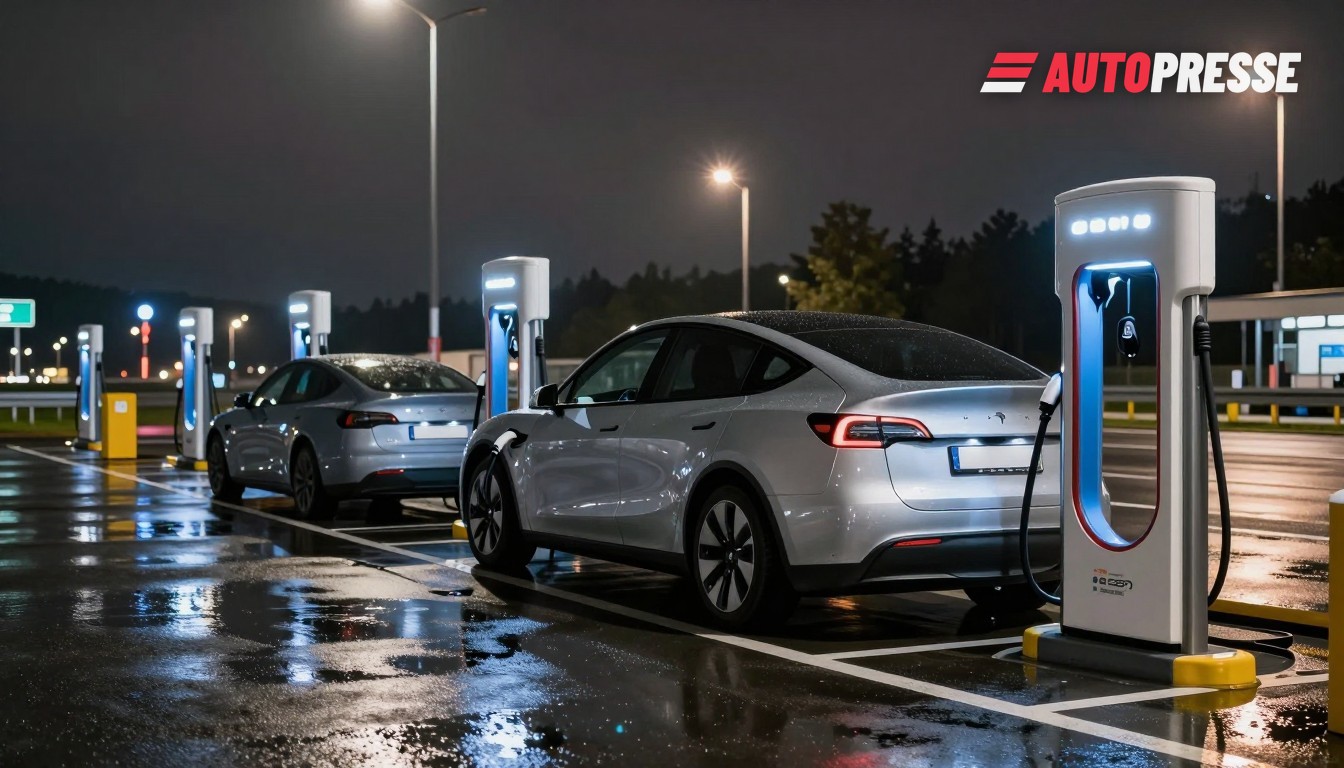
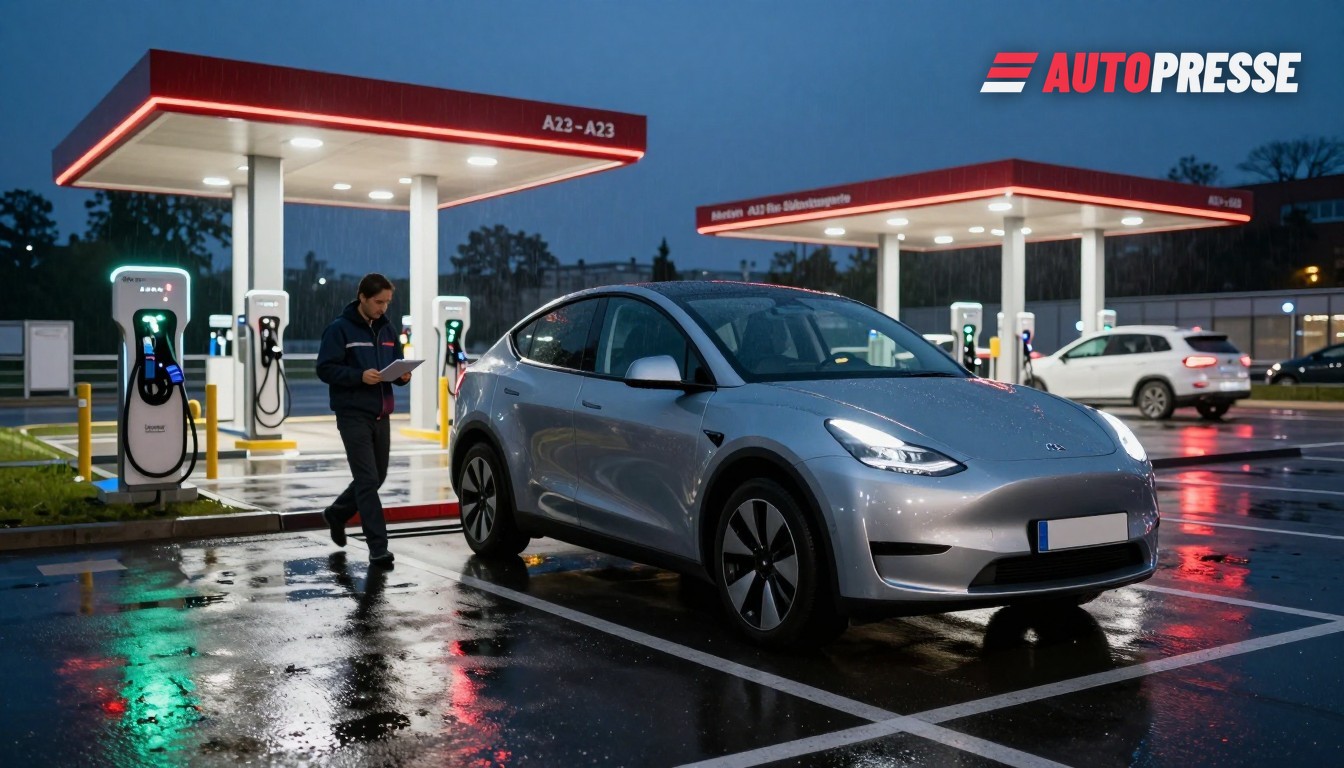
While workshops and second‑life storage are practical, the charging landscape remains active: Germany has moved to open more unstaffed autobahn rest areas to private fast‑charger investors (announcement 22 October 2026), and new multi‑operator hubs are appearing — for example a 44‑point high‑power park at the Neuberg 24‑Autohof opened in August 2026 with six different operators present. At the same time construction firms such as STRABAG have won lots to install fast chargers for electric trucks as part of the federal e‑HGV programme (contract reported 17 September 2026). These developments underline how private, municipal and commercial projects are layering onto national plans.
What this means for the market
For drivers: more local storage and denser, multi‑operator hubs should reduce range anxiety in cities and along corridors, while battery re‑use can lower the carbon footprint of urban solar projects. For dealers and independent garages: federated AI diagnostics lower the bar to handle complex EV repairs and ADAS troubleshooting without exclusive OEM tools — a potential win for small businesses and for customers who want non‑dealer servicing. For employees and training: the German demonstrator explicitly pairs new tools with a digital academy, signalling more AI and software skills will be needed on the shop floor. For grid planners and municipalities: second‑life deployments like Vienna’s provide a tested model to combine local PV and storage without new raw‑material extraction.
Electric vehicle listings on WorldTrader24 →
Sources: autowerkstatt4null (arXiv), Wien Energie, EVKurier, MobilityPlaza, STRABAG