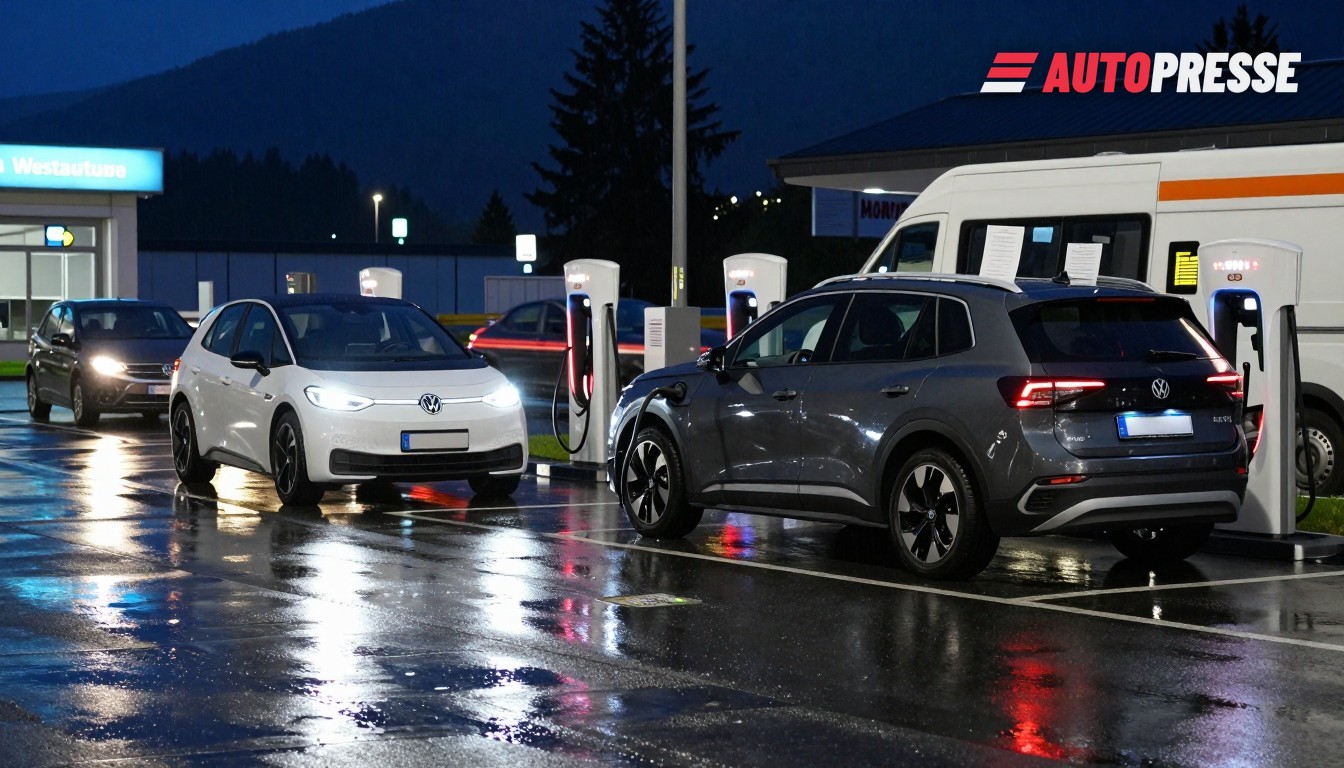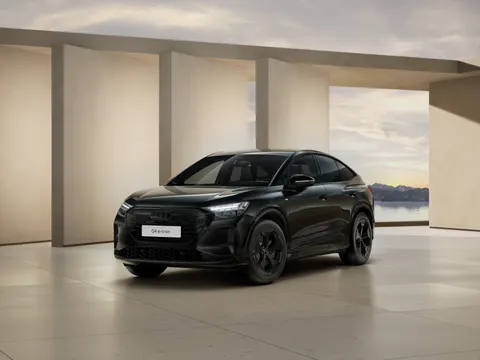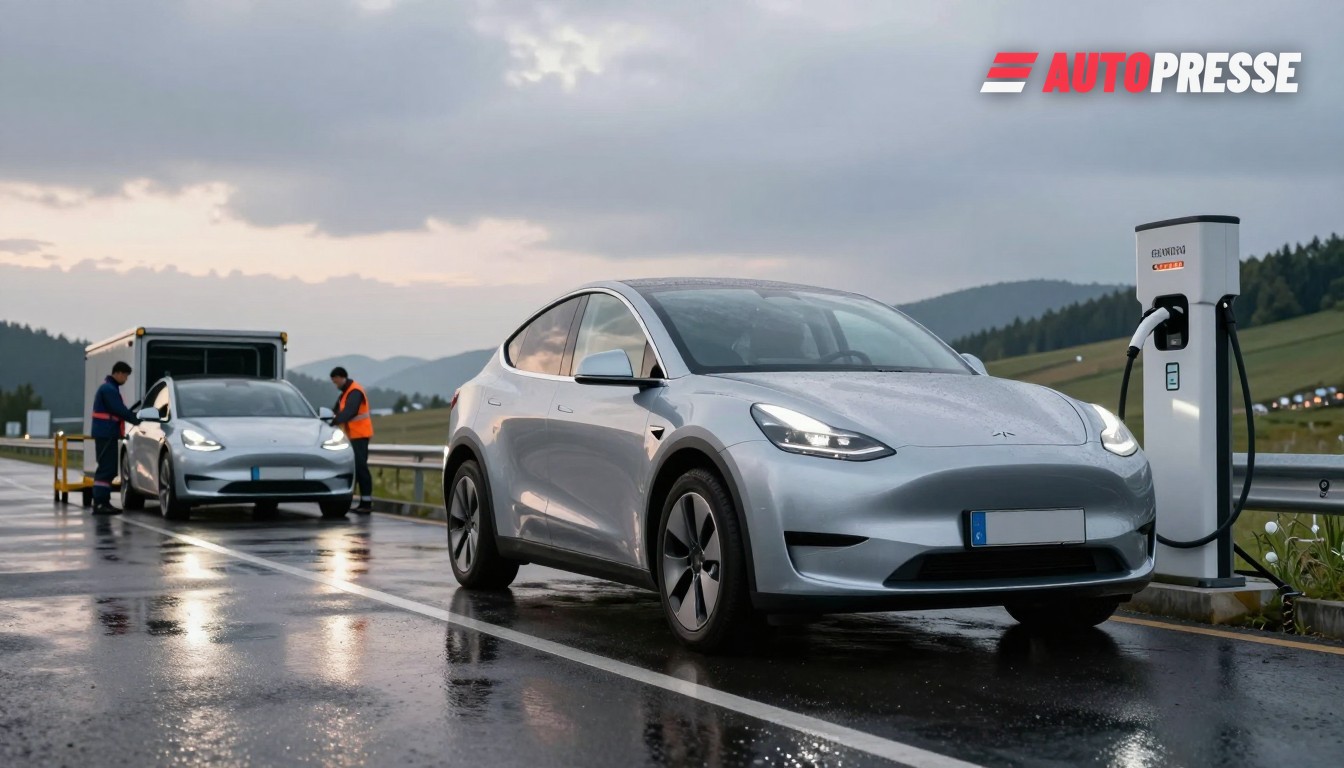
Germany’s passenger‑car market moved decisively towards battery electrics in October 2026. The Kraftfahrt‑Bundesamt (as reported via market trackers) records 254,492 new passenger‑car registrations in October; 94,086 were battery‑electric vehicles (BEVs), a 37.0% share and a 79.5% year‑on‑year increase for BEVs in that month.
Austria keeps pace
Austria recorded strong growth through the first ten months of 2026: Statistik Austria reports 265,282 new passenger cars registered between January and October 2026, an increase of 10.7% versus the same period in 2025. In October Austria posted a new monthly high for battery‑electric private registrations — the federal ministry reported BEVs at about 35% of new cars that month.
Those headline shares mask active reshuffling inside both markets: SUVs remain the largest segment in Germany (about 37.8% of October registrations), while compact and small‑car segments continue to lose share, accelerating the demand shift dealers must manage.
Used cars and dealer pressure
Supply and price signals are already shifting. European wholesale indicators show softening used‑car pricing: AUTO1 Group’s October index recorded weaker year‑on‑year prices for Europe overall in late October 2026. At the same time, auction markers tracked by Cox Automotive (Manheim) show wholesale values stabilising in mid‑October after a weak September, suggesting dealers face a mixed picture of easing retail asking prices but intermittent wholesale strength.
Austria’s consumer body and regional trackers report falling used‑car list prices since the pandemic peak — a trend dealers in Austria say is freeing up budget‑conscious buyers but squeezing margins on trade‑ins.
Chinese entrants are now material to the mix: KBA‑based tallies put BYD’s October 2026 registrations in Germany at roughly 5,173 vehicles (about 2.0% market share for that month) and almost 48,000 units cumulative January–October 2026 — evidence that imports continue to accelerate competitive pressure on European nameplates at mainstream price points.
What this means for the market
1) Dealers: rapid BEV penetration forces showroom and workshop changes — technicians, high‑voltage diagnostics and parts inventories must be rebalanced against slower turnover on some combustion models. The BEV share spike makes this urgent for both German and Austrian dealer groups.
2) Used‑car gate: falling retail listings but mixed wholesale signals mean tighter margin management and more active wholesale sourcing for trades. Dealers that optimise pricing with near‑real‑time market data will protect margins as retail prices soften.
3) Competition and fleet demand: greater BEV supply and growing volumes from Chinese brands pressure mainstream OEMs on price and equipment; fleets will drive volumes but also demand fast total‑cost‑of‑ownership clarity.
Neither Germany nor Austria has finished the transition; October’s figures show the pace has accelerated and that dealers, workshops and fleets must adapt fast — or lose volume and margin to better‑prepared competitors.
Electric vehicle listings on WorldTrader24 →
Sources: Kraftfahrt‑Bundesamt/VDA coverage, Statistik Austria, Austrian Federal Ministry for Climate Action (bm:vik), AUTO1 Group, Cox Automotive (Manheim), OEAMTC.