Shoppers typing "best flexible financing programs for automotive retailers in 2026" want one thing: quick, scalable finance that keeps forecourts stocked and sales moving. Dealers in Germany and Austria now have a widening set of answers — from manufacturer captive banks to platform floor‑plan products and specialist lenders — after new network launches and partnership announcements in the last fortnight that explicitly bundle dealer support with local financing.
What opened up in the last two weeks
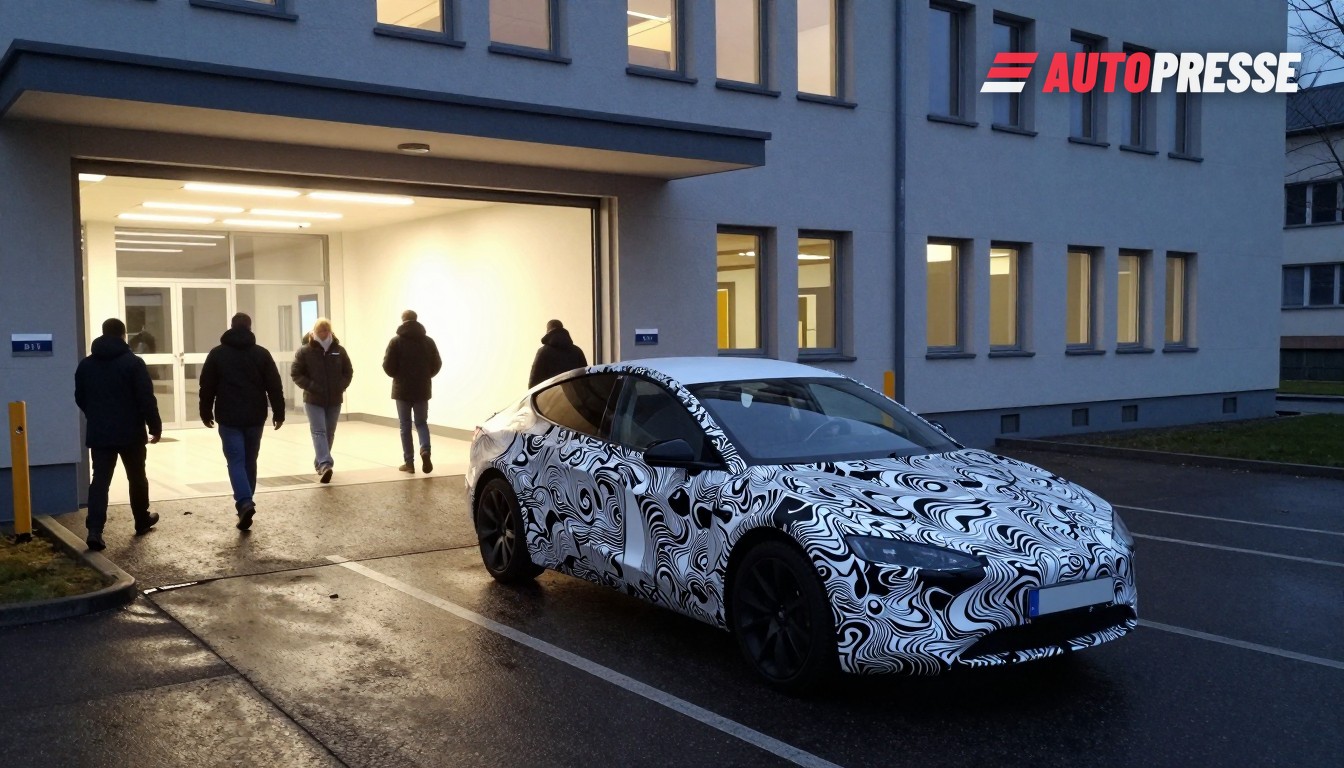
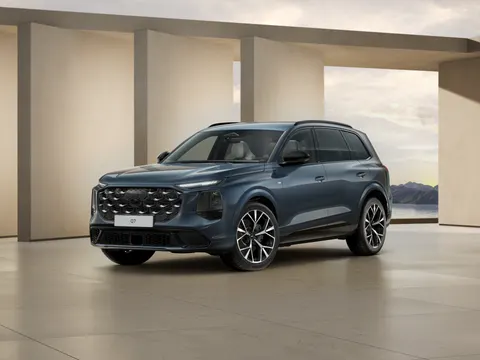
China’s Chery confirmed its Germany rollout plan on 11 November 2026 and told prospective partners it will back the dealer network with local programmes for financing, leasing and fleet business as part of its market‑entry package — an explicit signal to dealers that manufacturer‑linked credit will be part of network offers.
At the same time, Europe’s dealer marketplaces and specialist finance houses continue to expand dealer‑facing capital. AUTO1 Group, whose digital merchant floor‑plan and inventory financing product already operates across several European markets including Austria, has been building inventory financing capacity to let partner dealers buy stock without tying up their own cash — an increasingly used alternative to traditional captive dealer lines.
Who the market points to as "best" in 2026
Across Germany and Austria the practical shortlist for dealers chasing the best flexible financing programmes in 2026 is shaped by three provider types: (1) captive manufacturer banks (Volkswagen Financial Services, Mercedes‑Benz/Mercedes‑Benz Mobility, BMW Bank and brand banks such as Porsche Bank) that package purchasing, leasing and point‑of‑sale finance and often include dealer inventory tools; (2) specialist automotive lenders and bank partners (for example Creditplus and regional automotive banks) that supply both wholesale and retail credit solutions for importers and multi‑brand dealers; and (3) digital marketplace and fintech solutions (AUTO1’s Merchant Financing and similar floor‑plan offerings) that promise faster one‑click approvals and revolving facilities for used‑car stock. Each route answers the 2026 dealer need for flexibility, but they differ on pricing, term length and integration with dealer software.
What this means for the market
Dealer choice is improving, but the consequence is tougher comparison: captive banks often offer lower headline rates and closer IT integration with brand systems; independent lenders can be more flexible on collateral and cross‑product bundles; and marketplace floor‑plan providers win on speed and on‑demand capacity for used‑car trading. Recent announcements from entrants building local dealer packages mean dealers in Germany and Austria can negotiate on more than price — asking for revolving limits, fast drawdown, digital credit decisions and resale‑value clauses is now standard.
For dealers this means running three parallel checks before choosing the "best" programme: total cost (fees and margin), operational fit (API, DMS integration, drawdown procedures) and downside protection (repurchase and residual‑value rules). Larger dealer groups will continue to leverage balance‑sheet solutions such as securitisations and syndicated inventory lines, while small and mid‑sized dealers will benefit most from merchant financing and specialist lender partnerships that promise speed and lower collateral needs.
Sources: AUTOHAUS (Chery Germany dealer plans), AUTO1 Group filings and press, Creditplus press materials.