Germany and Austria are no longer fringe markets for electric vehicles — by autumn 2026 both countries show BEV shares in the mid‑30% range while public charging capacity and ultra‑fast points are expanding rapidly, changing where drivers buy, where dealers compete and how grids must adapt.
Numbers: more BEVs, many more chargers
In Germany the BEV share climbed to about 34.5% of new registrations (September 2026 data cited by VDIK), a year‑on‑year surge that mirrors broader EU growth in 2026. At the same time Austria reported a record month in October 2026: 8,434 new battery‑electric cars, representing roughly 35% of new registrations that month according to the Austrian Ministry for Mobility and Innovation (BMIMI).
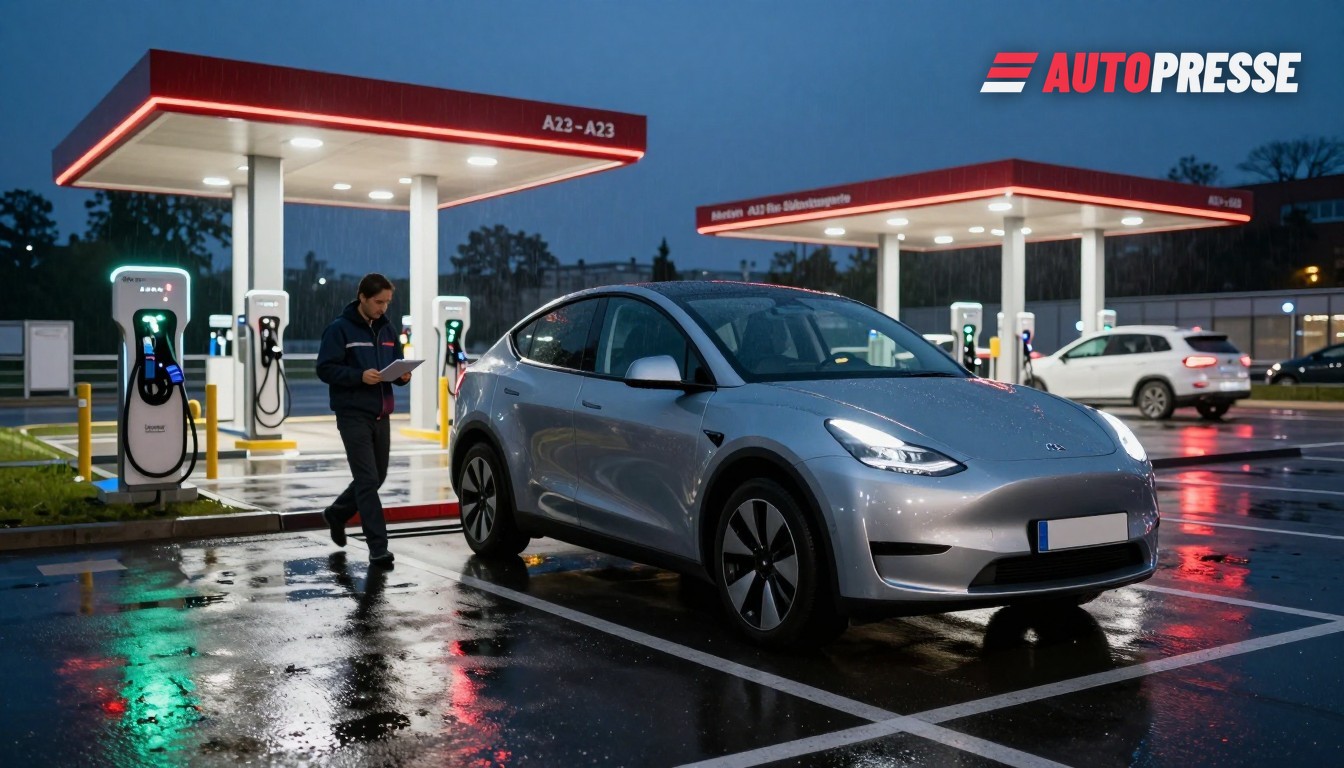
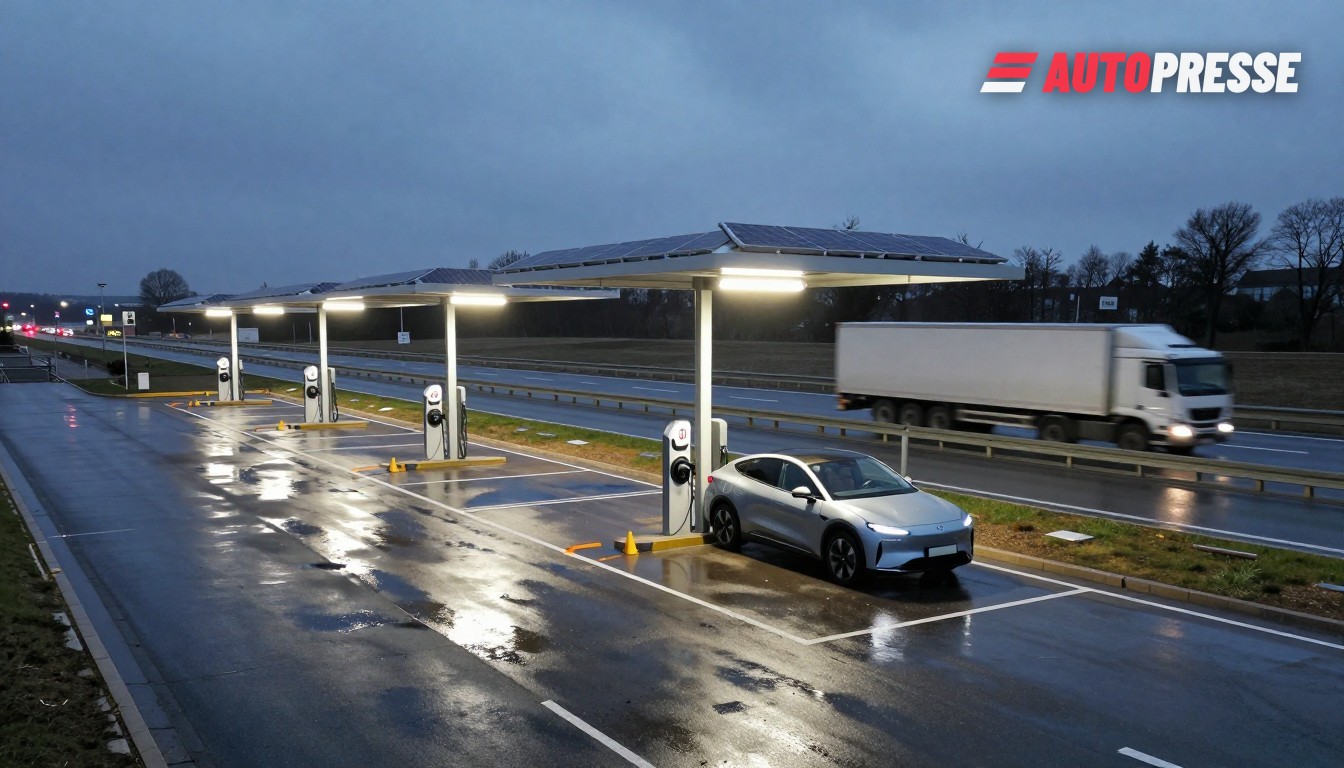
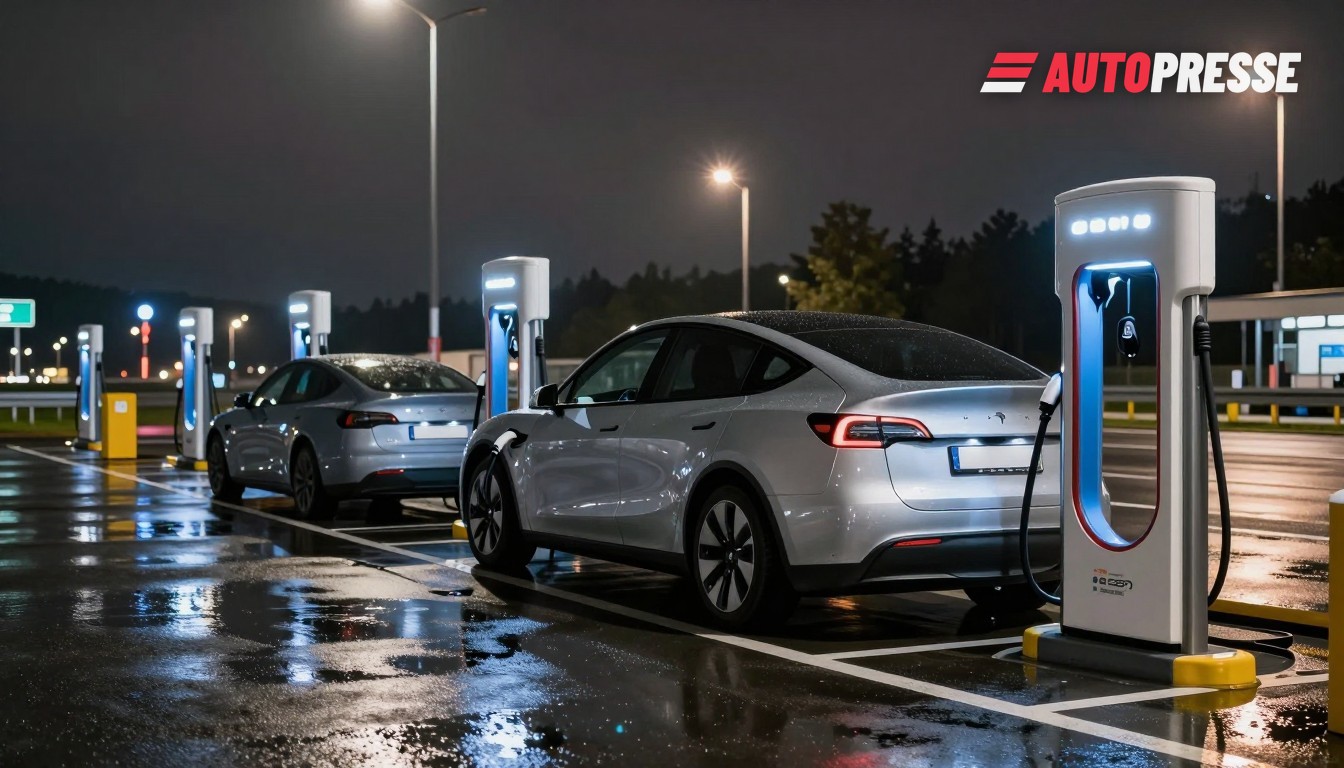
The physical charging network is moving fast, too. Germany’s Ladesäulenregister showed 218,113 publicly accessible charging points as of 1 October 2026, with about 42,494 points at ≥150 kW and 20,647 at ≥300 kW — a steep rise in ultra‑fast capacity in a single year. Austria’s national e‑mobility tracker and AustriaTech reports show a fast expansion there as well: eMove Austria tracked roughly 41,000 publicly accessible charge points and over 5,600 “ultra‑fast” points by early November 2026, while AustriaTech reported total installed public charging capacity climbing toward 2.65 GW (September 2026 data).
Who builds and who benefits
The operator landscape in Germany remains fragmented: utilities and mobility players lead the register counts, while Tesla and dedicated fast‑park operators keep a national footprint — market summaries of the Bundesnetzagentur register and independent rankings show EnBW, Tesla and several energy companies among the largest operators by point count (data snapshot 1 October 2026).
At the same time national and EU reporting points to a brisk EU‑wide BEV growth rate: EAFO’s November 2026 update shows strong month‑to‑month gains across reporting states, underlining that Germany and Austria are part of a fast‑growing continental market rather than isolated pockets.
What this means for the market
For drivers: faster networks and more high‑power chargers mean shorter, more practical long‑distance travel in BEVs — but uneven regional coverage still shapes route choices. For dealers and importers: the surge in BEV sales shifts stocking, service skills and show‑room economics toward electric models and high‑voltage service equipment. For operators and grids: the rapid addition of high‑power sites raises questions about local grid reinforcements, on‑site storage and tariff design; national trackers and ministries (e.g. eMove Austria) are already prioritising better customer experience, transparent pricing and roaming as next steps.
The immediate story for Germany and Austria is practical: BEVs are a mainstream purchase and the public charging network is catching up fast, but the next 12–24 months will decide whether charging becomes seamless or remains fragmented — and who captures the margin along the way.
Sources: Bundesnetzagentur, VDIK, BMIMI (Austria), eMove Austria, AustriaTech, EAFO, contracting.green