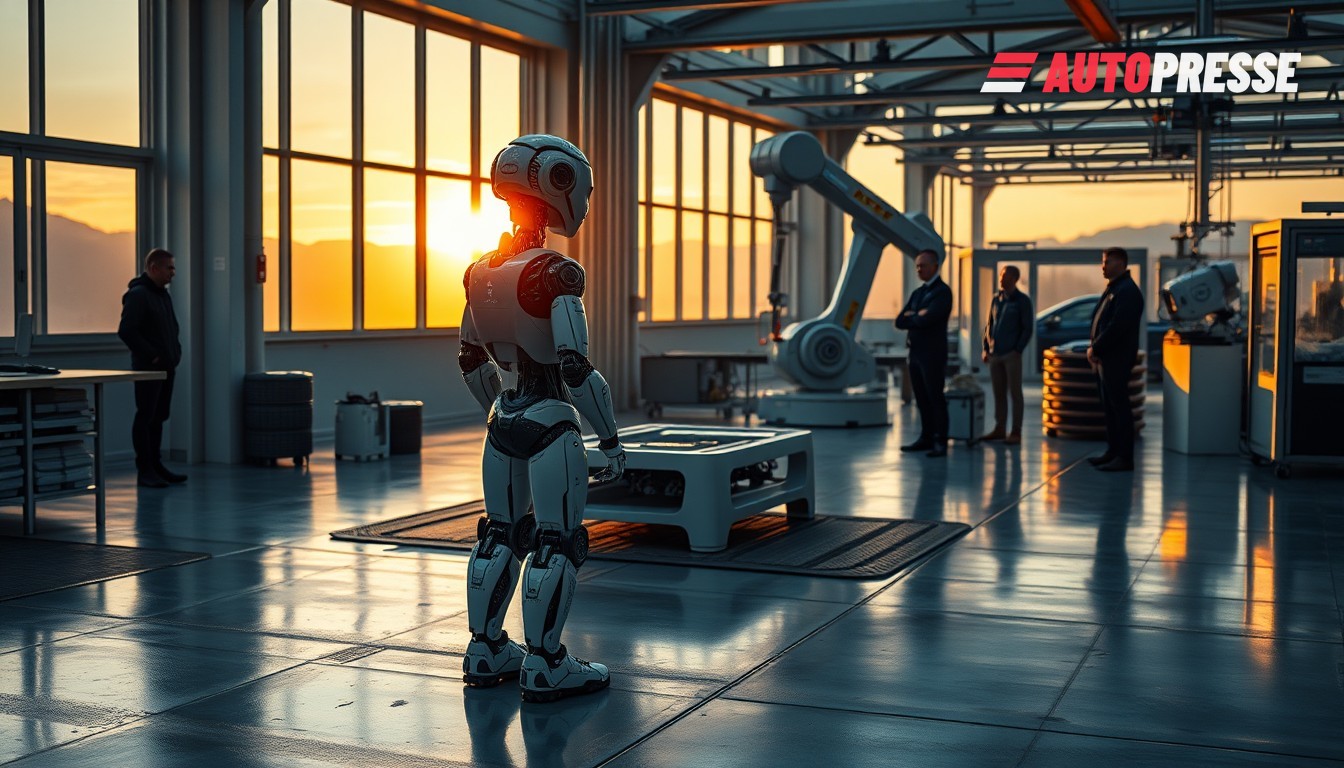
Tyrol has taken a practical step toward bringing humanoid robots from demos into industrial halls: on November 3, 2026 MCI | The Entrepreneurial School® opened a two‑year, State‑funded humanoid robotics hub in Innsbruck to give regional companies hands‑on access to humanoid systems, pilot projects and feasibility support — an initiative aimed at suppliers and manufacturers who face skilled‑labour shortages and rising automation pressure.
What was announced
The flagship project, titled “Leading the Way in Tyrol – Humanoid Robotics in Manufacturing, Tourism and Healthcare,” is funded by the State of Tyrol and will run for two years. The hub will provide a showroom, feasibility studies, pilot integrations and training, and will work with technology integrators TRAFALGAR GmbH and HinsTech GmbH to support safe, compliant shop‑floor deployments. Mario Gerber, Tyrol’s Regional Minister for Economic Affairs, described the funding as intended to help local businesses “explore, test, and implement innovative solutions” amid labour shortages.
MCI and its partners stress the hub is technology‑neutral: it will not build robots but will offer testbeds, cost‑benefit analyses and practical integration support so firms can evaluate humanoids alongside conventional automation. Project leads say companies from industry associations, healthcare and tourism have already expressed interest in pilots.
Why Germany should watch
Tyrol’s move arrives as German OEMs and plants already test humanoid systems in production. BMW Group, for example, launched a European pilot with the AEON humanoid at Plant Leipzig (initial deployment began in December 2025 and continued through 2026) to assist in battery assembly and material handling, describing the effort as a step toward "physical AI" on the shop floor. BMW reports practical gains from earlier pilots in Spartanburg (Figure 02), where humanoid assistance supported more than 30,000 vehicles and delivered data about uptime, safety and process fit. The Bayern‑based and Austrian supplier networks are therefore operating in a shared European learning curve.