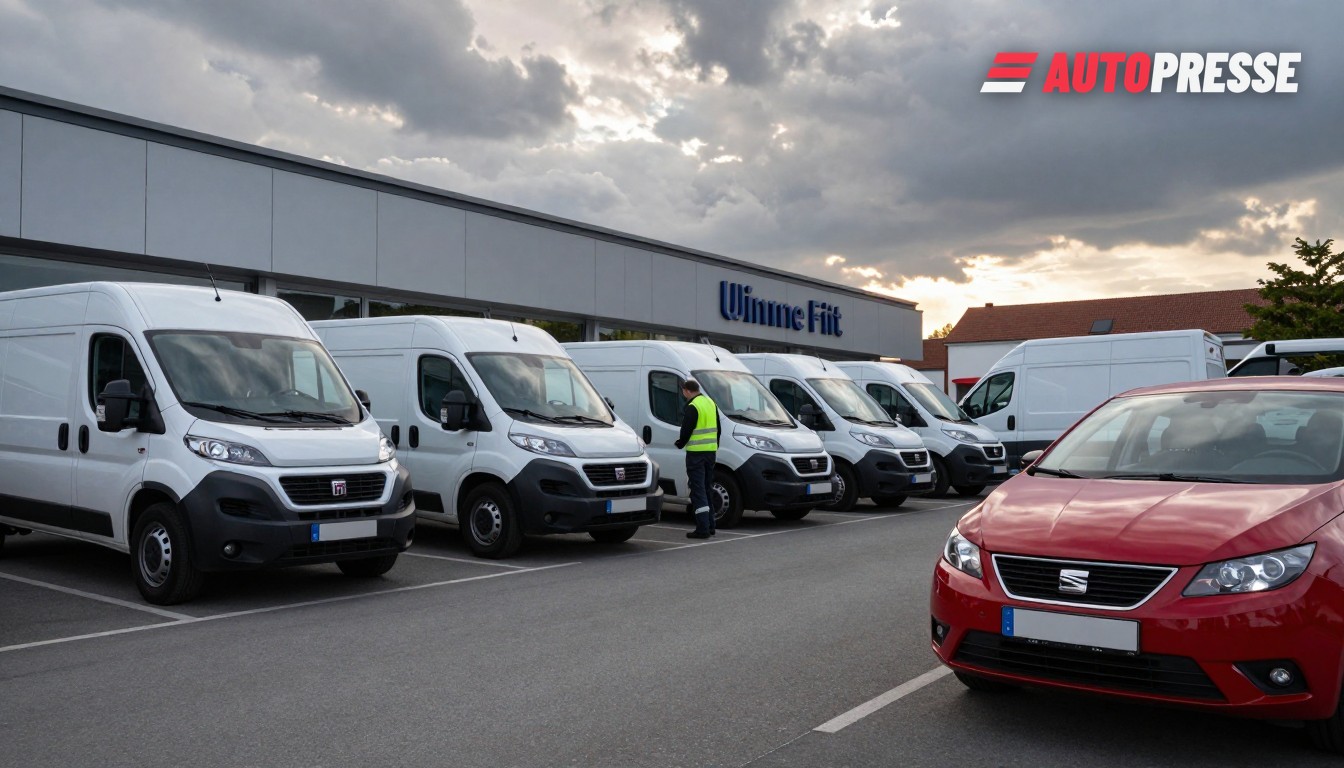
The German and Austrian new‑car markets shifted pace in October 2026, with international manufacturers widening their lead in Germany and Austria registering surprisingly strong growth for European volume brands and commercial vans. The changes matter for buyers, dealer groups and local suppliers: fleet demand, forecourt mix and aftersales work are all moving faster than a year ago.
Germany: international brands pull ahead
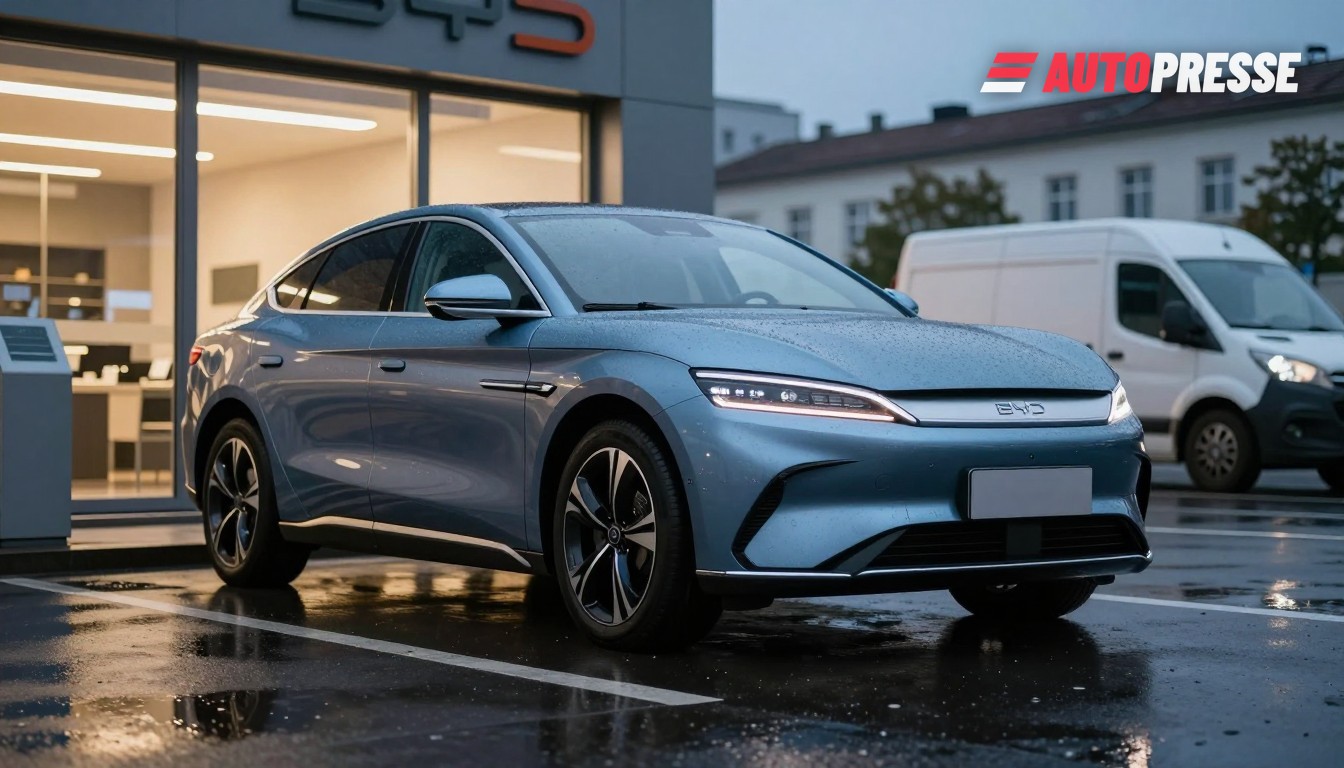
According to an analysis of KBA registration data, 254,492 passenger cars were newly registered in Germany in October 2026. International (non‑German) brands expanded faster than the market in that month and year‑to‑date: registrations of international manufacturers rose 6.0% in October and are up 8.5% since January–October versus overall market growth of 4.9%.
VDIK President Imelda Labbé highlighted the dynamic: “The German passenger car market is performing well this year, and international manufacturers are growing even more strongly. With an increase of 8.5 percent, they are growing at nearly twice the rate of the overall market.” The association’s analysis shows international makes have added share across multiple segments, lifting competitive pressure on domestic marques and dealer networks.
Austria: Fiat’s strong run and the van effect
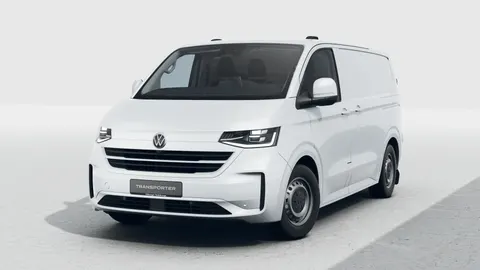
In Austria, Stellantis’ Fiat brand reported unusually rapid expansion through October 2026: Fiat recorded 8,062 new registrations in January–October, a 41.8% increase versus the same period in 2025, and 961 registrations in October alone. The gain is broad, but most striking in light commercial vehicles: FIAT Professional posted 570 new light‑commercial registrations in October, up 71.7% year‑on‑year. Stellantis cites the Austrian vehicle‑registration statistics as its source.
Volume models remain important for Austria’s fleet and retail mix. Porsche Holding notes that the SEAT Ibiza leads the Austrian small‑car charts with 4,179 registrations in the first nine months of 2026 — evidence that European volume models still hold strong positions even as import competition intensifies.
What this means for the market
Short term, dealers should expect a continued reshuffle of forecourts and workshop workloads. International brands’ outperformance in Germany points to steadier supply and product breadth that can win retail customers; Austria’s surge in Fiat and FIAT Professional sales signals stronger demand from small businesses and fleets for affordable vans, which pushes up demand for light‑commercial aftersales, conversions and financing products.
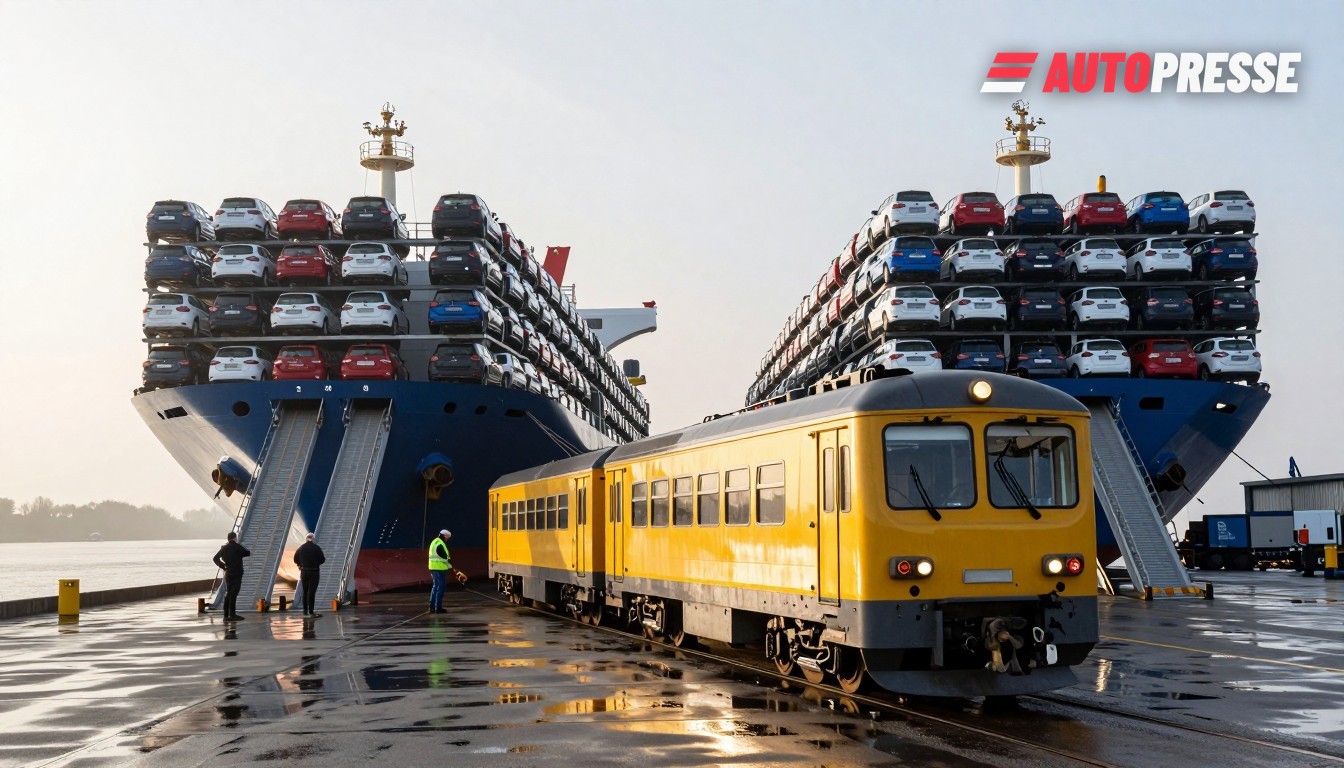
For suppliers and logistics, the twin developments imply more diverse sourcing and a need for flexible parts distribution: import‑led growth tends to change spare‑parts profiles and warranty flows, while rising light‑commercial sales increase parts and service cycles per vehicle. Policymakers and local authorities should note the compositional change: growing commercial‑vehicle volumes require targeted parking, loading and low‑emission access planning in city centres.
In short, October’s figures are less a one‑month blip than a continuation of a broader mid‑2026 trend: manufacturers with broad lineups and competitive commercial‑vehicle offers are taking share — and dealers, fleets and suppliers must adapt operationally.
Commercial transporters for dealers on WorldTrader24 →
Sources: VDIK, ADAC (KBA), FIAT/Stellantis press office, Porsche Holding newsroom