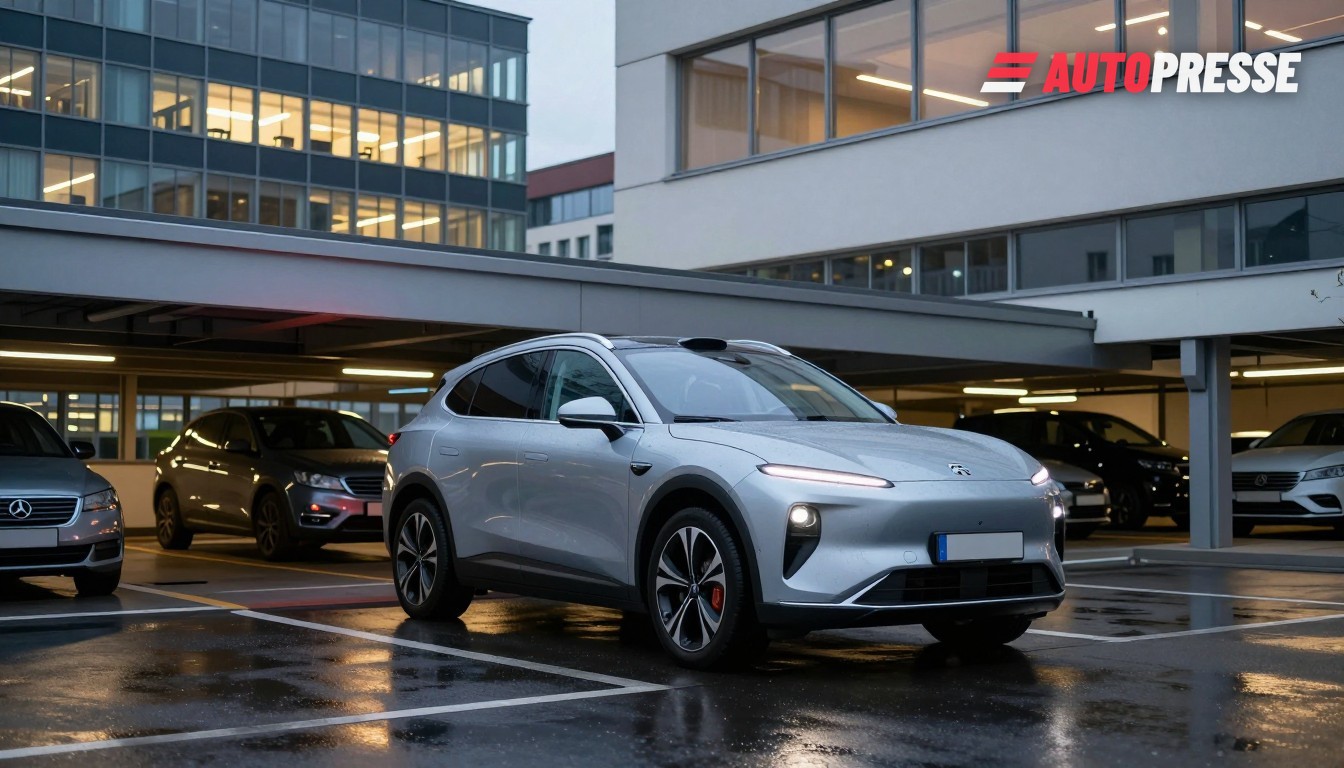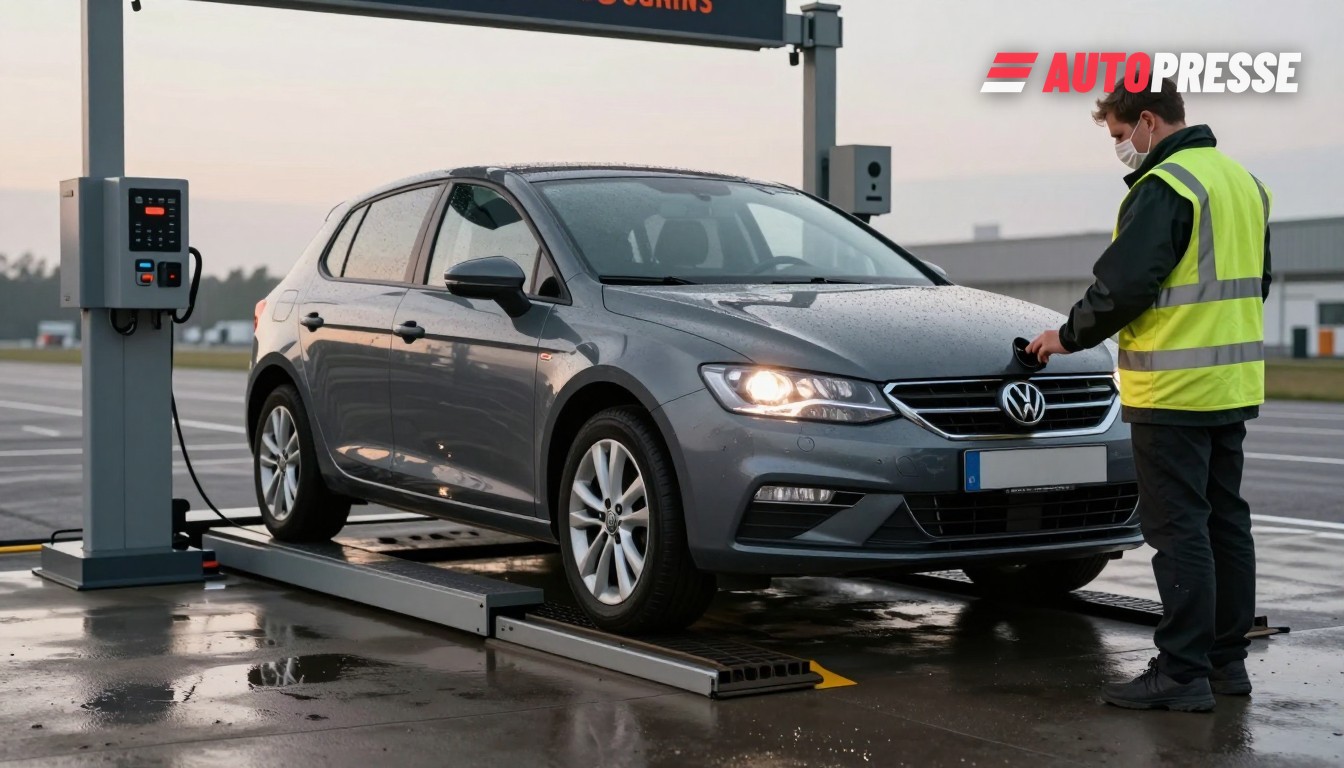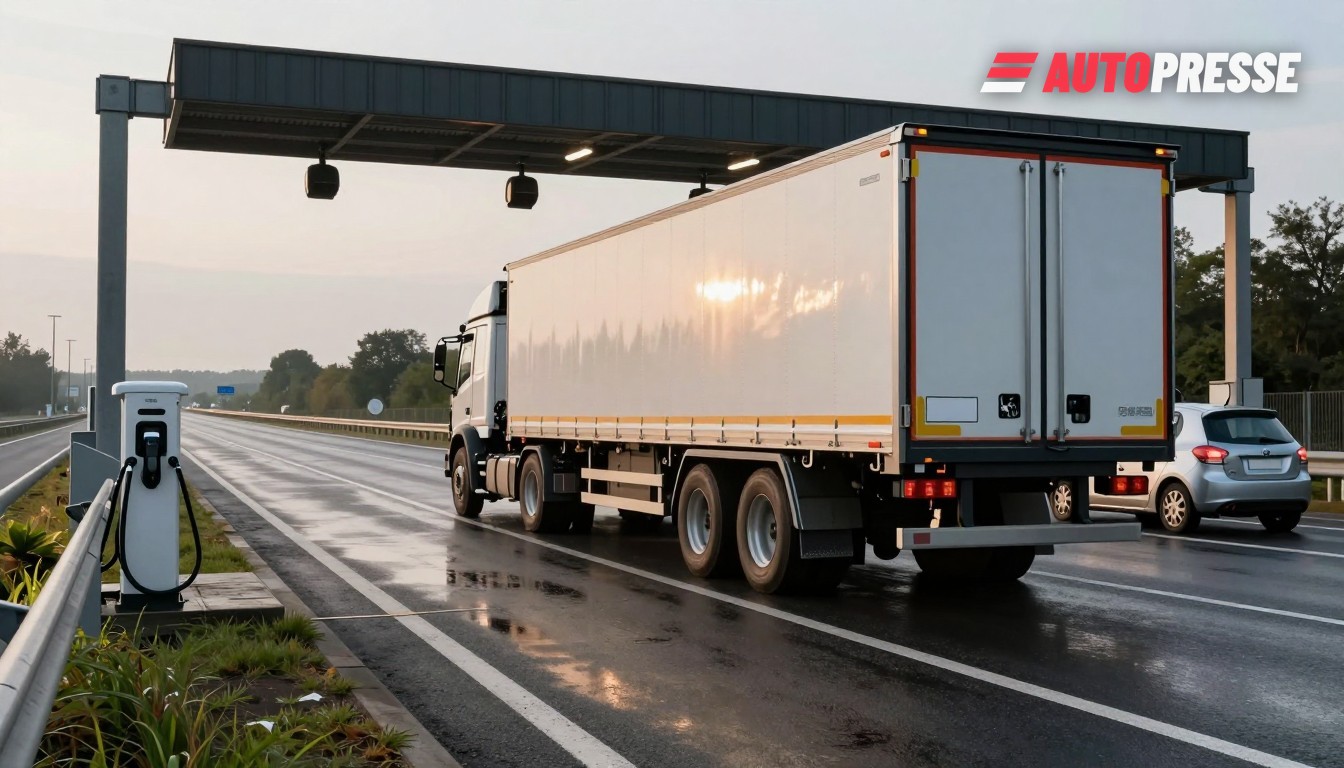
Germany and Austria are taking diverging policy routes to accelerate electrification: Berlin has widened fiscal incentives to pull buyers and corporate fleets toward battery cars, while Vienna is concentrating public money on chargers and emissions‑free public transport. The result is a clear split for drivers, fleets and suppliers in both countries — cheaper corporate TCO in Germany versus faster infrastructure rollout in Austria.
What changed in Germany — tax levers turned on
Since the government’s Investitionssofortprogramm was promulgated (BGBl I No. 161, 18 July 2025), companies that buy purely electric vehicles between 1 July 2025 and 31 December 2027 may apply an arithmetically degressive depreciation schedule that permits a 75% write‑off in the acquisition year (75/10/5/5/3/2).
On 12 November 2026 the Bundestag adopted the Jahressteuergesetz 2026 in the form recommended by the Finance Committee; the package includes provisions to keep the tax relief environment for EVs favourable while other parts still await Bundesrat approval. Recent commentary and ministry briefings say the government intends to extend the temporary Kfz‑tax exemption for pure electric cars up to the year 2035.
Meanwhile the fiscal treatment of electric company cars remains markedly advantageous for most use cases: since mid‑2025 the private‑use valuation for battery‑only cars is set at 0.25% of the gross list price (the so‑called “0.25% rule”), and the eligible list‑price ceiling was raised to €100,000 for vehicles acquired after 30 June 2025 — a change that materially reduces the employee tax burden on many e‑models.
Austria: public money into chargers and e‑buses
Austria has taken a different tack. The federal “eMove Austria” programme bundles measures for charging, e‑bus and e‑truck deployment and — according to the government announcement — plans near‑term investments focused on (fast) charging infrastructure and public‑transport electrification. The ministry presentation described almost half a billion euros of planned spending across these pillars in 2025–26.
Practical measures already under way include the federal funding instrument for emissions‑free buses (grant rates up to 60% for bus fleets and necessary infrastructure) and targeted calls to place fast chargers in under‑served regions. The OECD’s 2026 environmental review of Austria explicitly urged sequencing and coherence between vehicle incentives and infrastructure — a nudge to focus funds where they unblock use, not only ownership.
What this means for the market
For fleets and dealers: Germany’s tax measures lower near‑term TCO for companies that buy EVs before the end of the depreciation window and for staff who receive e‑company cars; that encourages rapid fleet replacement and improves residual‑value math for EVs bought into corporate balance sheets.
For infrastructure and OEMs: Austria’s emphasis on chargers and buses will accelerate route‑level operations (buses, taxis, last‑mile) and create immediate demand for depot chargers, grid upgrades and second‑life storage projects — a different demand profile than Germany’s purchase stimulus. Suppliers of charging hardware, power‑electronics and depot integration stand to gain in Austria; leasing firms and captive finance arms see faster deal flow in Germany.
For consumers: Germans with access to a corporate purchase route or an employer wallbox will see stronger tax signals to choose EVs; Austrians should notice quicker charging coverage in cities and on key corridors, plus new procurements of electric buses on urban routes. The two approaches are complementary but produce different winners in the supply chain.
Fleet and dealer listings on WorldTrader24 →
Sources: Bundesgesetzblatt/BMF, Deutscher Bundestag (BT‑Drs. 21/9139), Bundesfinanzministerium summaries, eMove Austria press release, OECD Environmental Performance Review Austria (2026)