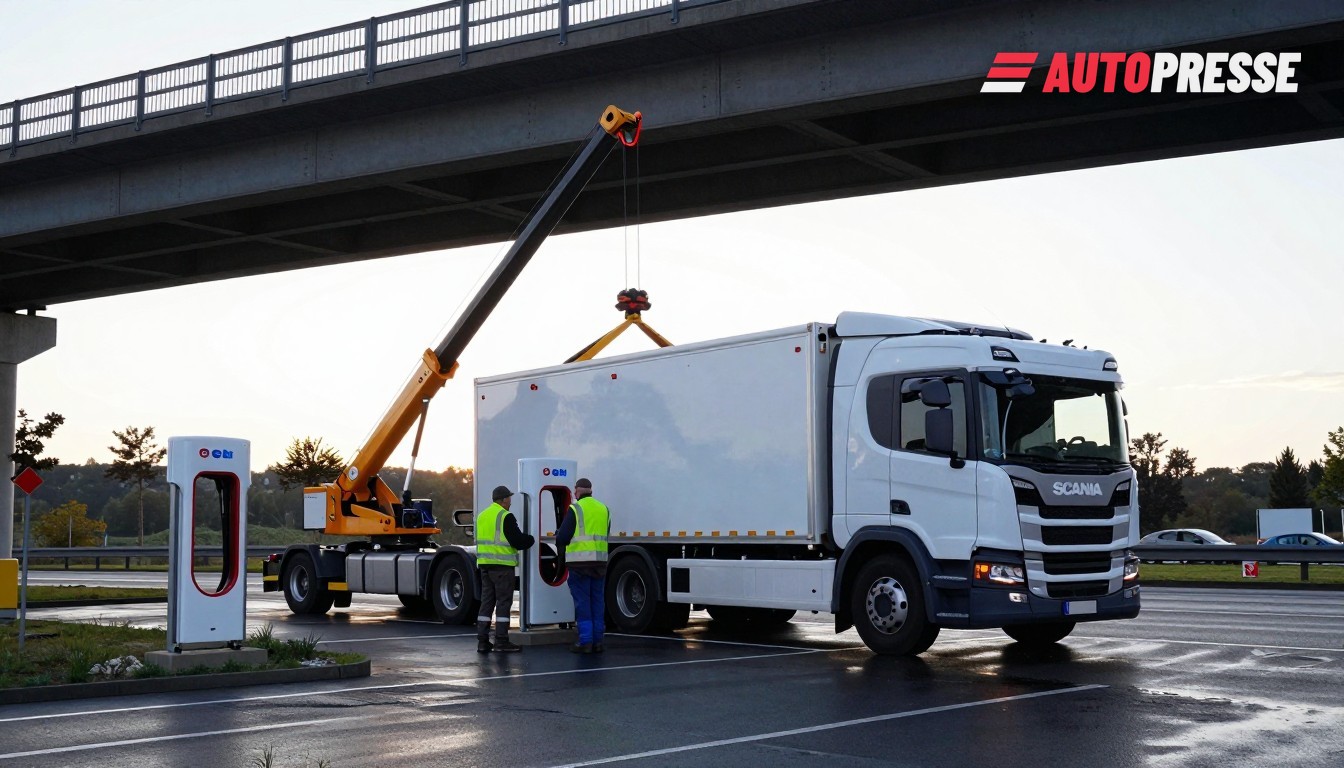
Southern Germany and eastern Austria are quietly reconfiguring how goods move across Central Europe. A sharp rebound in air freight at Munich and an Austrian rail demonstration of Digital Automatic Coupling (DAC) — alongside EU pilots for electric inland vessels and steady investment in Vienna’s Freudenau port — show logistics capacity being added where road and river bottlenecks have bitten dealers, OEM suppliers and fleets.
Munich: air cargo scales up as capacity follows demand
Munich Airport recorded a new cargo tonnage record for 2025, handling about 341,000 tonnes of freight (a c.9.5% increase year‑on‑year) and has reported plans to expand its cargo apron by roughly 13,000 m² in 2026 to create extra staging areas for operations. These moves reflect stronger belly‑hold and freighter flows into southern Germany, driven by manufacturing exporters and express carriers — a direct relief for time‑sensitive parts and aftermarket logistics that have felt pressure from road congestion.
Austria: ÖBB runs DAC in Floridsdorf as rail automation goes live
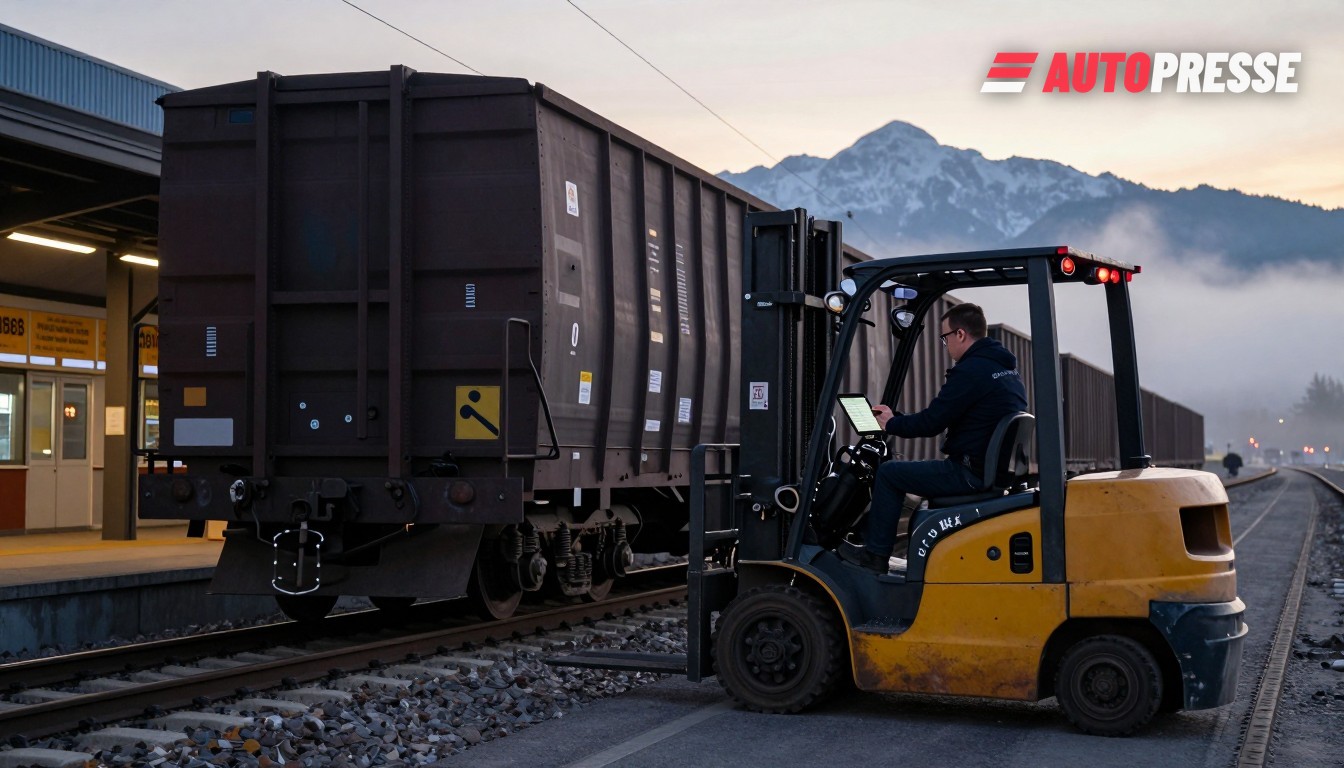
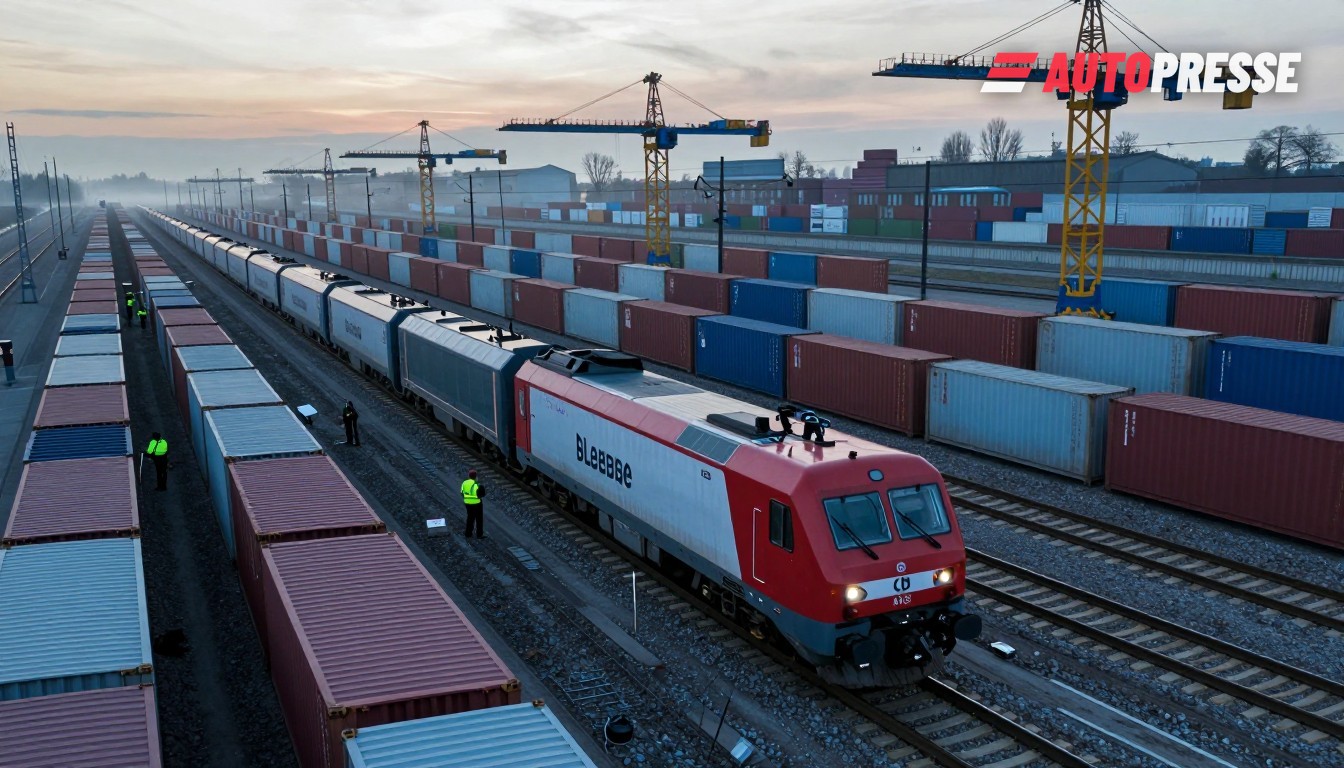
Austria’s state rail operator ÖBB demonstrated Digital Automatic Coupling (DAC) under real operating conditions at the Floridsdorf freight yard in Vienna, a step designed to speed shunting, reduce dwell times and allow longer, heavier trains to run more efficiently. ÖBB presented the demo publicly on 11 September 2026 and framed DAC as part of a wider EU project to digitalise and automate freight operations across corridors that serve both German and Austrian industries.
Those two developments are not isolated. On Europe’s inland waterways, the EU‑funded RIVERBOOST project launched in 2026 aims to demonstrate a long‑range, battery‑driven inland vessel with swappable packs and significantly extended range — a technical advance intended to make modal shift from road to water commercially viable on Rhine and Danube stretches used by German and Austrian shippers. If scaled, such vessels can absorb low‑value, bulk and non‑urgent freight that currently overloads highways.
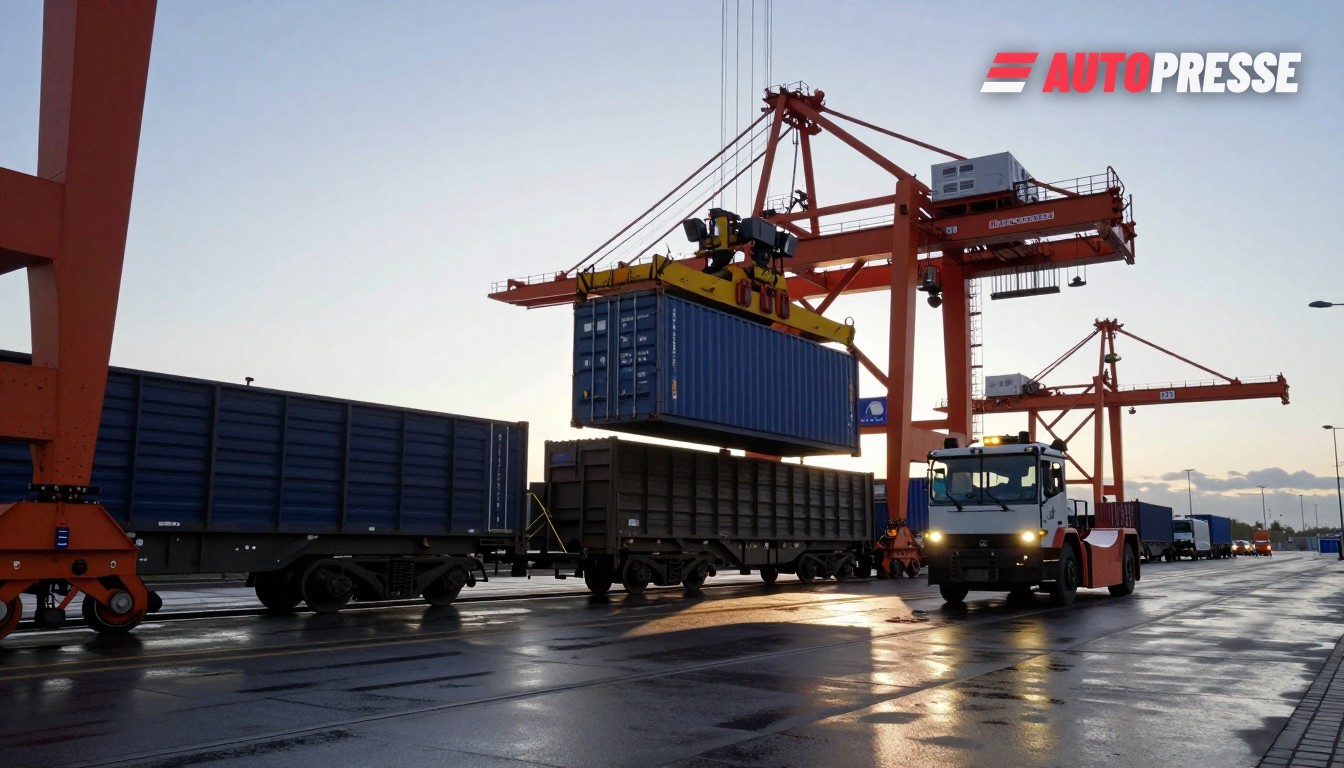
Meanwhile Vienna’s Freudenau port continues modernisation and capacity planning to handle intermodal flows on the Danube; government and port documents in 2026 set out terminal layouts and quay extensions that aim to improve transhipment throughput for regional industry. The combination of upgraded river terminals, automated rail yards and expanding air cargo handling forms a practical, multi‑modal alternative for shippers in Bavaria, Upper Austria and Styria.
What this means for the market
For manufacturers and dealer networks: faster airfreight capacity at Munich shortens lead times for spare parts and high‑value components, easing stock pressure in southern German and Austrian after‑sales operations. For logistics providers and 3PLs: DAC and longer electric inland vessels reduce unit costs per tonne‑km and create opportunities to replace short‑haul truck legs with lower‑cost rail or barge rotations. For freight buyers and fleets: expect shifting tender patterns as multimodal providers can now offer shorter delivery windows and lower emissions for non‑urgent freight, changing how distribution centres in Bavaria and eastern Austria price services.
Risks remain: DAC rollout needs fleetwide retrofits and cross‑border interoperability, river electrification pilots must clear safety and regulatory tests, and airport apron expansions require careful slot and ground‑handling coordination to deliver the promised throughput improvements. But the combined facts are clear: investments are aligning across air, rail and river to loosen southern Germany–eastern Austria choke points.
B2B vehicle listings on WorldTrader24 →
Sources: Munich Airport, ÖBB, CORDIS (RIVERBOOST), Port of Vienna (Freudenau)