Germany’s and Austria’s automotive suppliers are juggling a rapid shift into electronics and services, rising input costs and fresh trade risk — all at once. That matters to workers facing reskilling, dealers waiting longer for parts and fleets budgeting higher operating costs.
Semiconductors and electronics: Germany doubles down
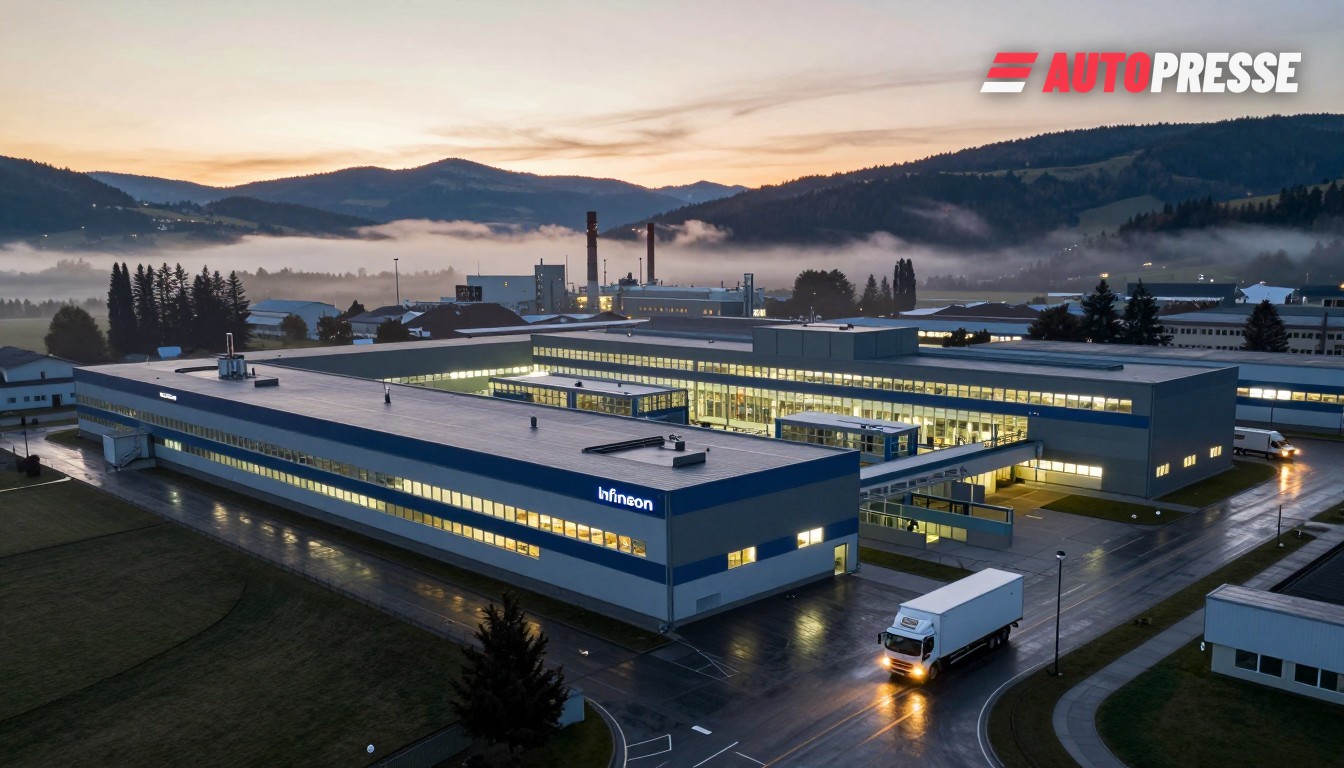
German component firms are expanding semiconductor capacity and forging foundry partnerships to lock in chips for traction inverters, ADAS and power electronics. Vishay told investors it planned to spend between $400 million and $440 million in 2026, with about half earmarked for a 12‑inch fab in Germany.
Smaller, specialised players are also securing wafer supply: Elmos expanded cooperation with SK keyfoundry to add a 130‑nanometre automotive process and long‑term wafer capacity, with series production slated from 2027 — a direct response to automakers’ zonal and mixed‑signal needs.
Cost pressure in Austria and a trade cloud
Input prices are biting Austrian suppliers: Statistics Austria reported that the Wholesale Price Index stood at 109.7 points in October 2026, a 10.0% rise versus October 2025 (Vienna, 6 November 2026). The agency highlighted steep increases in fuels, rubber and plastics — materials widely used by tier‑1 and tooling shops.
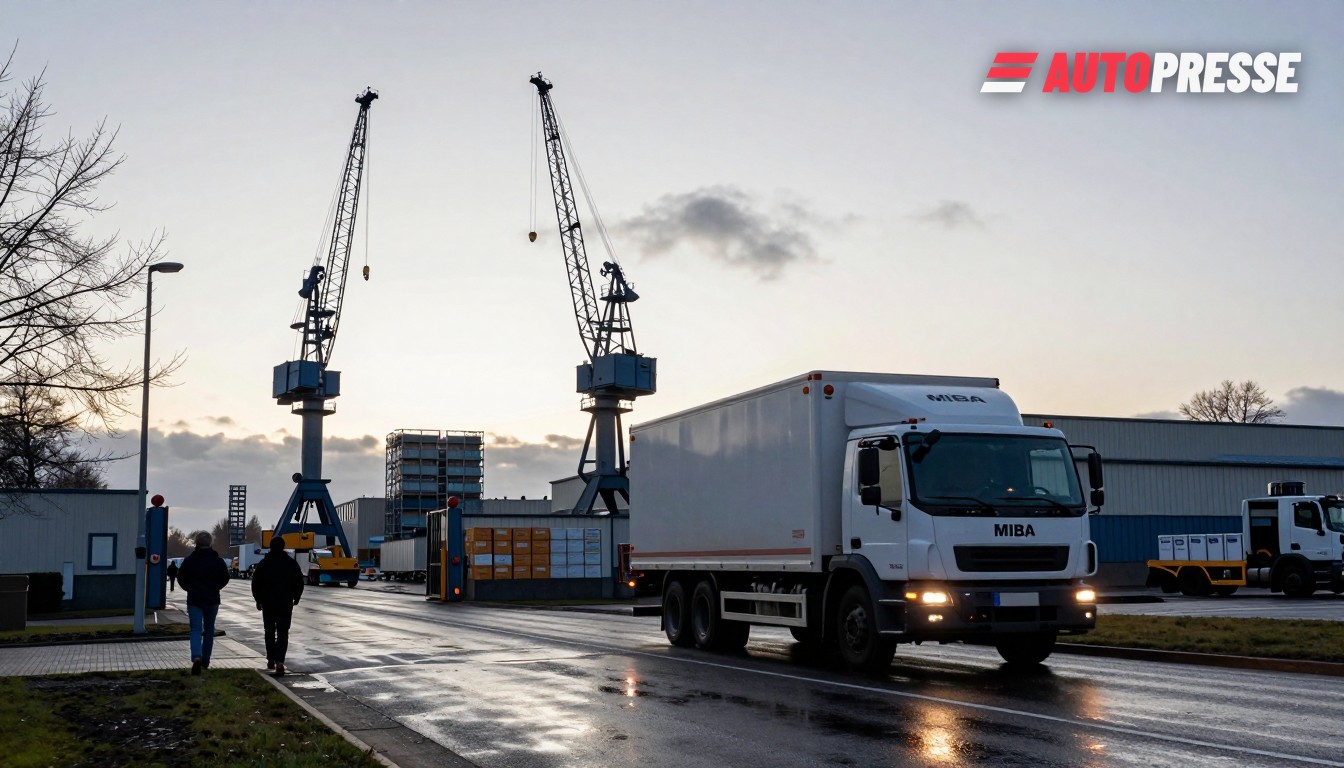
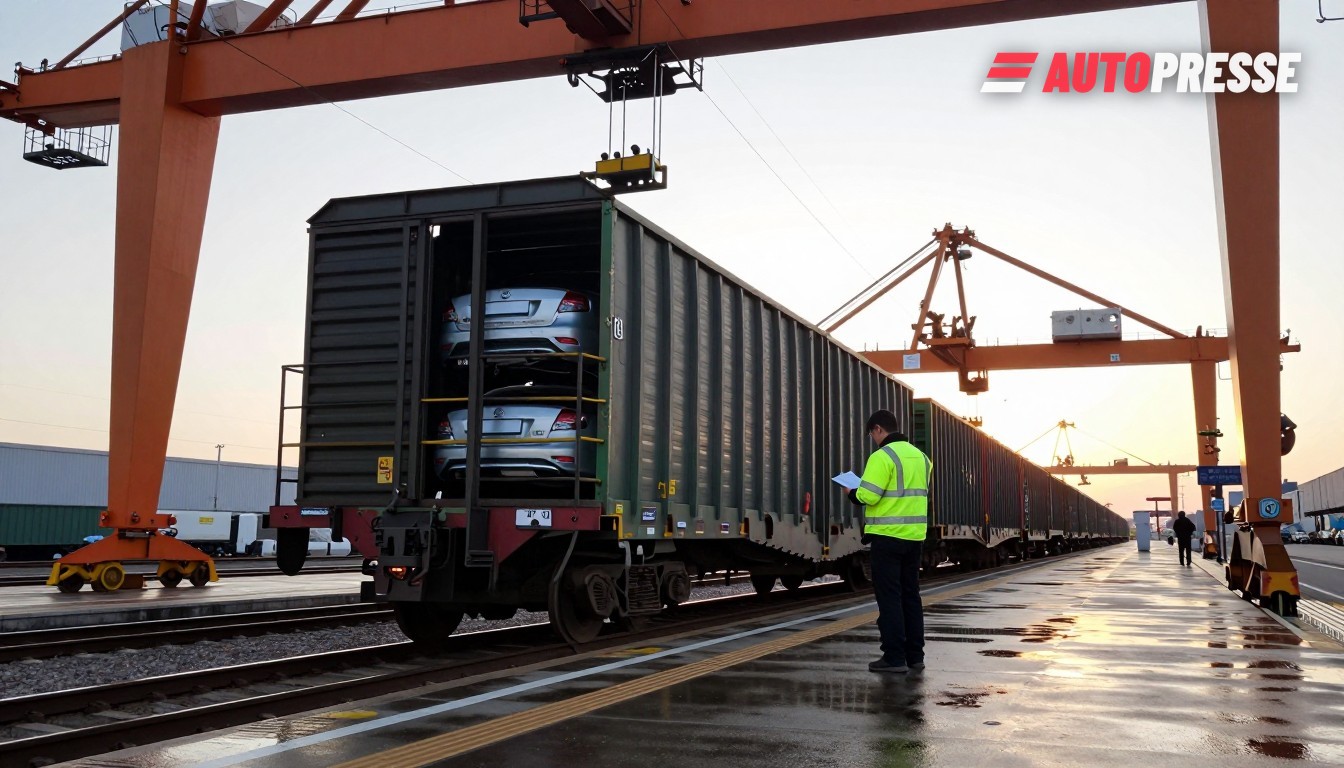
At the same time, US trade proceedings are creating new uncertainty for some Austrian metal suppliers. The Federal Register published notices on 4 November 2026 related to antidumping and countervailing investigations affecting tubular goods and related procedures — a reminder that export markets and raw‑material flows can be disrupted by external trade actions.
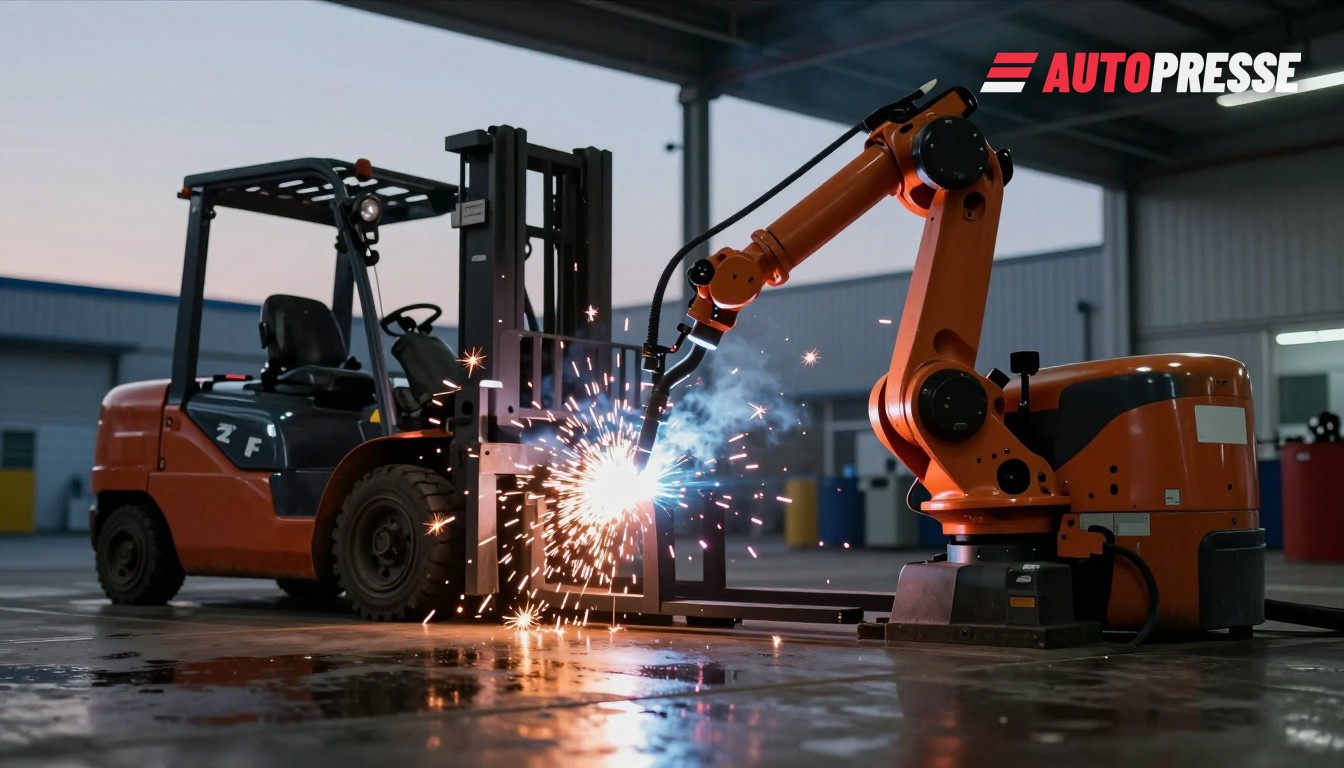
Meanwhile the independent aftermarket and remanufacturing segment continues to grow as workshops and fleets look to cut costs: Automechanika season saw awards for remanufactured e‑drive motors and battery‑intelligence tools, signalling a commercial opportunity for suppliers that can offer repairable, certified modules.
What this means for the market
Four clear shifts are visible. First, capital is flowing into semiconductor capacity and foundry tie‑ups in Germany — suppliers that win wafer allocations will gain annual content wins with OEMs. Second, Austrian manufacturers face a higher‑cost base as wholesale input inflation (10.0% YoY in October 2026) forces price negotiations along the supply chain. Third, trade measures (Federal Register notices, 4 November 2026) underline that export‑dependent suppliers must diversify customers and regions. Fourth, a rising aftermarket for remanufactured e‑drive and battery services presents revenue cushions for parts makers as new‑car volumes wobble.
For employees, the combination of electronics hiring and materials pressure means many sites will need retraining budgets and flexible purchasing. For dealers and repair shops, expect longer lead times for some new electronic modules but also more certified reman parts as a cost‑containment strategy. For policy‑makers, the twin priorities are speedy industrial support for domestic chip supply and targeted measures to shield smaller suppliers from sudden trade shocks.
WorldTrader24 B2B-Fahrzeugmarkt für Händler →
Sources: Statistik Austria, Motley Fool, Federal Register, EuropaWire, ATR International