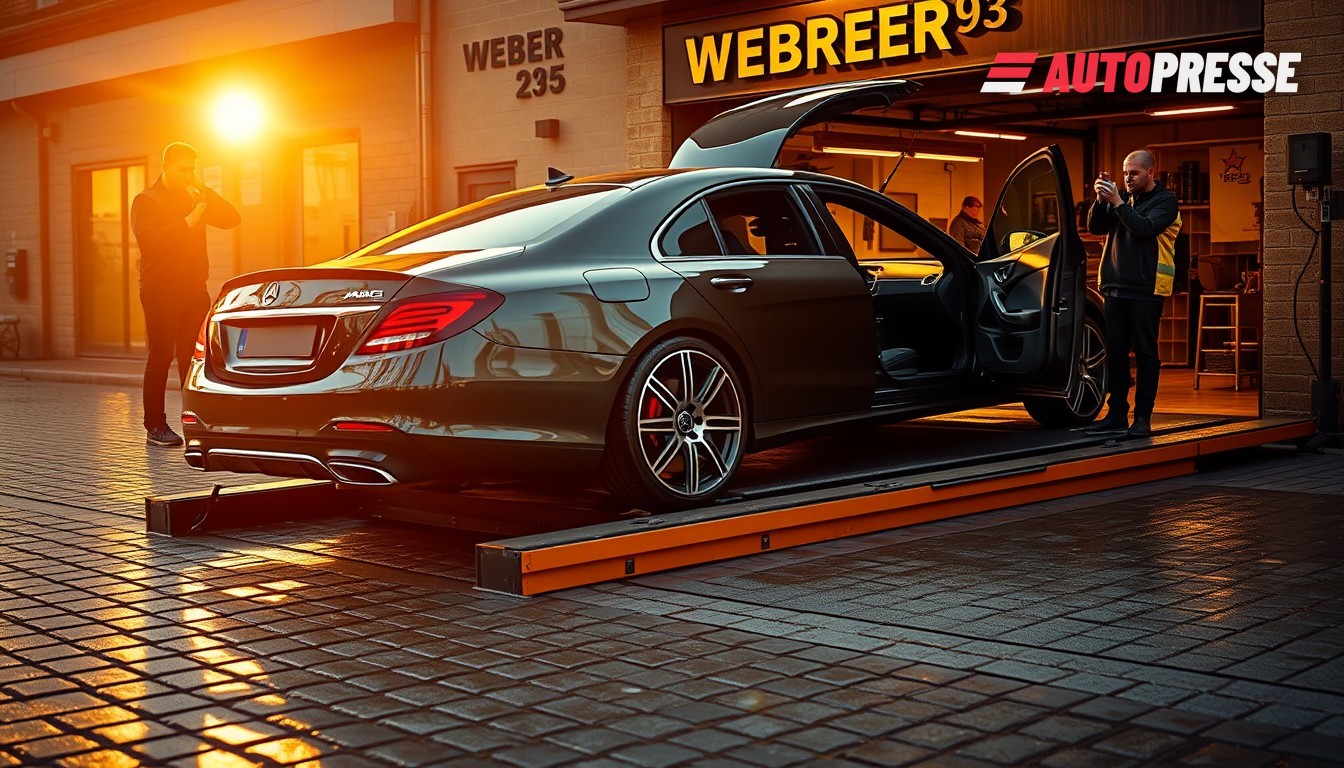
Weber 1925 presents itself as a century‑old specialist for Mercedes‑brand refinement. For dealers, importers and supply managers in Germany and Austria this matters: the company occupies a niche that connects legacy mechanical craft with today’s premium personalization market for Mercedes‑Benz, Mercedes‑AMG and Mercedes‑Maybach vehicles — a segment that can deliver higher margin parts, specialist retrofit services and close OEM‑dealer collaboration opportunities.
Weber’s lineage, legal footprint and brand positioning
The WEBER 1925 identity is anchored in a publicly visible Aachen address (Oligsbendengasse 16) and a corporate listing under WEBER Autotechnik e.K., operated by Michael Paul Weber. The company website explicitly advertises an “extraordinary individualization programme” for Mercedes‑brand vehicles and lists contact and location details from its Aachen site.
Behind the heritage label, recent documentary traces show the WEBER 1925 name was also the subject of a trademark registration for automotive goods and tuning/design services in 2023, under the WEBER Autotechnik e.K. applicant. The legal trade‑register entry for WEBER Autotechnik e.K. (HRA 9584, Amtsgericht Aachen) confirms the firm’s current registration and local presence. These records indicate a brand strategy that leverages a long historic founding year (1925) while operating under a modern small‑business legal form.
What Weber offers: products, technical claims and certification context
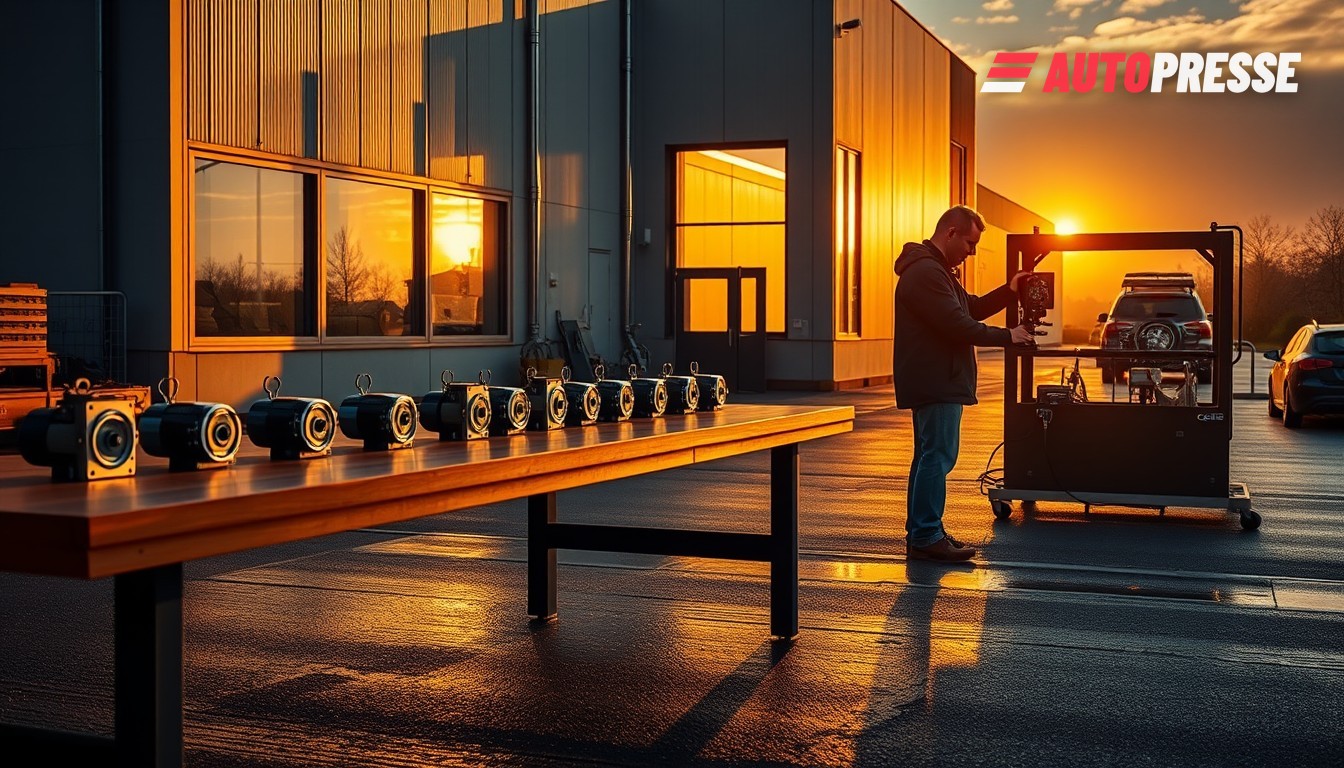
Weber markets a full suite of personalization services typical for high‑end Mercedes tuners: engine tuning and powertrain calibrations, suspension and chassis upgrades, bespoke alloy wheels, and bespoke interior appointments. The company materials emphasise in‑house motor‑test‑bed development, test‑track validation and design studio work — positioning Weber as a one‑stop provider for both performance and luxury refinements.
For suppliers and workshop partners this matters operationally: certified test benches, ECU‑calibration capability and TÜV‑compliant components are prerequisites for legal road use and customer trust in Germany/Austria. The broader regulatory environment — EU and national rules on diagnostics, access to vehicle‑generated data and type‑approval for modified parts — is evolving and remains a gating factor for tuners that retrofit electronics or safety‑relevant systems. The European Commission’s policy work and impact assessments underline the importance of access to technical vehicle data for independent actors in the aftermarket.
Market context: premium personalization inside a large aftermarket
The European automotive aftermarket remains large and structurally important: recent industry studies estimate the European aftermarket recorded roughly $225.8 billion in revenues in 2024, with Germany alone accounting for about 17.2% of the regional total. That concentration makes Germany the continent’s single largest national aftermarket by revenue.
National estimates for Germany vary by methodology and scope, but multiple market reports place the German aftermarket in the low‑to‑mid tens of billions of dollars/euros (typical ranges reported around USD/EUR 20–26 billion in recent forecasts). These values reflect demand for parts, service and accessories across all vehicle types; within that, premium personalization (high‑value wheels, suspension systems, bespoke interiors and ECU work) is a smaller but higher‑margin sub‑segment that specialist tuners such as Weber target. The aftermarket is also being reshaped by a rising average vehicle age, electrification and the expansion of e‑commerce and digital diagnostic services — trends that affect where customers choose to have personalization work performed.