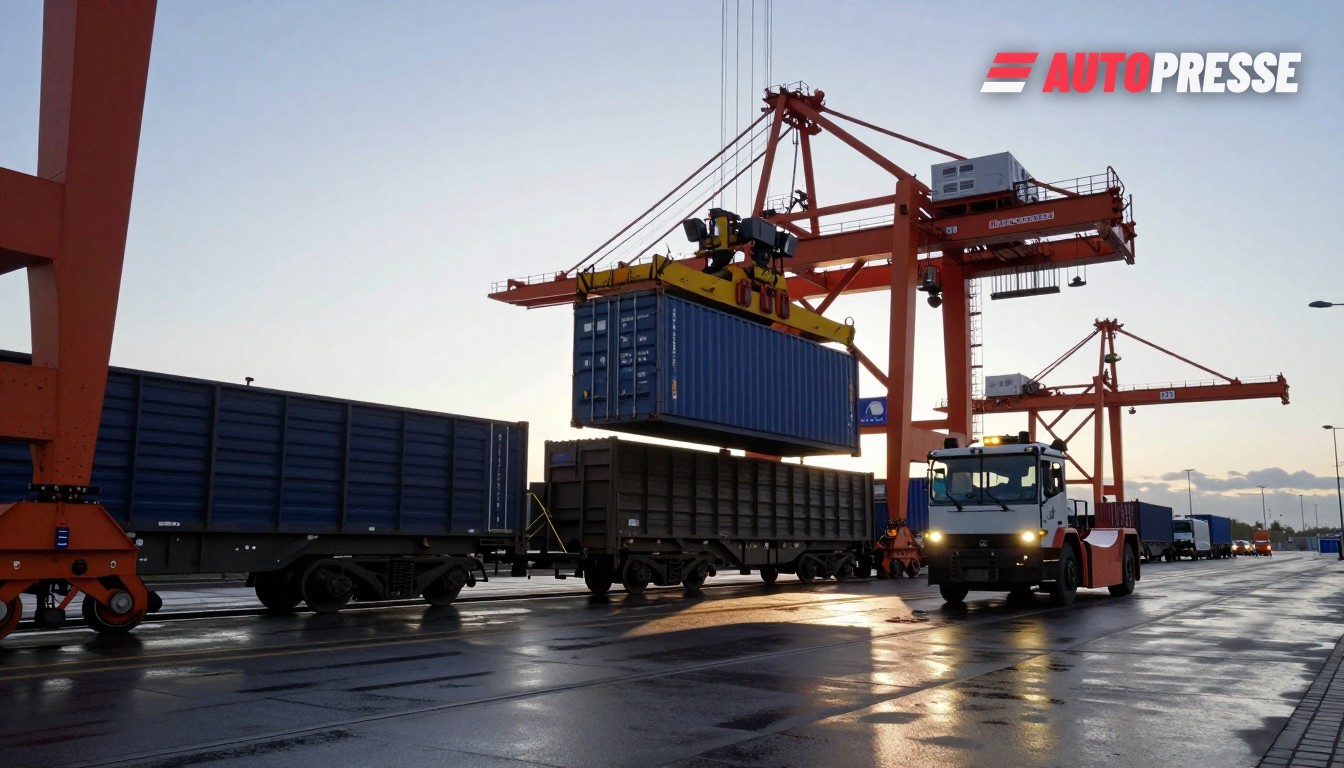
From Hamburg terminals to Austrian forwarding desks, a quiet revolution is under way: the EU’s electronic Freight Transport Information (eFTI) framework is moving from pilot to legal reality and German and Austrian operators must be ready. That matters for drivers, shippers, dealers and terminals because electronic manifests change border checks, invoicing, dwell times and the IT stacks that run intermodal corridors.
Deadlines and the rule‑book
The legal backbone is Regulation (EU) 2020/1056; the Commission and Council moved the rule‑set forward in 2026. On 11 June 2026 the EU adopted Commission Implementing Regulation (EU) 2026/1233 establishing the common addressing service for the EMSWe — a technical step needed for cross‑border electronic documents. Member‑state authorities must accept electronic freight documents from mid‑2027, while use by carriers and shippers remains initially voluntary as systems are certified and rolled out.
Industry trackers warned in August 2026 that implementation is entering its final year and the calendar is tight: platform specifications, certification rules and guidance were still being finalised and national administrations must synchronise to avoid fragmentation. The trade body CLECAT has been holding working‑group sessions to coordinate digitalisation and interoperability among forwarders and customs authorities.
How Germany and Austria are preparing
Austria’s ministry has already published an eFTI FAQ to guide carriers and forwarders through the technical and legal steps, signalling that Vienna expects economic operators to take the regulatory timetable seriously. At the EU level the common addressing service (EMSWe) adoption on 11 June 2026 was presented as the practical plumbing that allows different national platforms to find and validate documents.
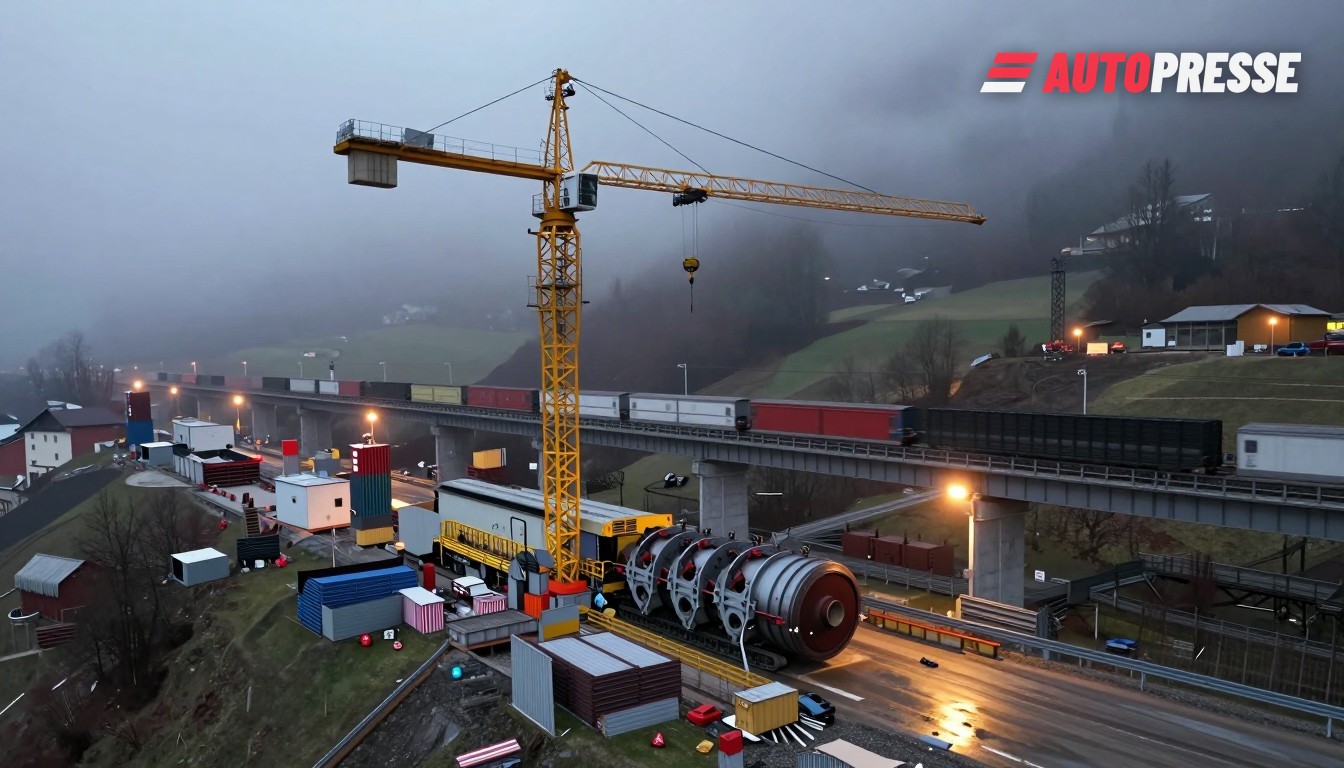
Operators in both countries face two parallel tasks: integration and certification. Forwarders and terminals must adapt TMS/WMS and customs‑clearance tools to exchange the eFTI data model and may need certified service providers to act as trusted repositories. At the same time, rail and intermodal capacity constraints — still visible along the Munich–Rosenheim–Brenner axis even as major tunnel bores were connected beneath the Alps in July 2026 — mean digital documents alone will not cure physical bottlenecks; infrastructure and slot coordination remain decisive for cross‑border freight.
What this means for the market
First, expect certified eFTI platforms and middleware to become a procurement line item for logistics buyers in 2027 — early adopters will shave time from border checks and reduce paperwork costs, but smaller hauliers must factor integration and training costs. Second, terminals and rail operators in Germany and Austria will need harmonised data exchange to make faster use of scarce slots; national mismatches will create winners and losers. Third, the implementation timetable favours software vendors that can certify services quickly and offer ‘addressing’ and repository functions tied to the EMSWe specifications adopted in June 2026. Finally, the tight calendar increases the commercial value of integration and training services — expect IT providers, freight forwarders and training centres to push packages that bundle certification, API integration and staff upskilling.
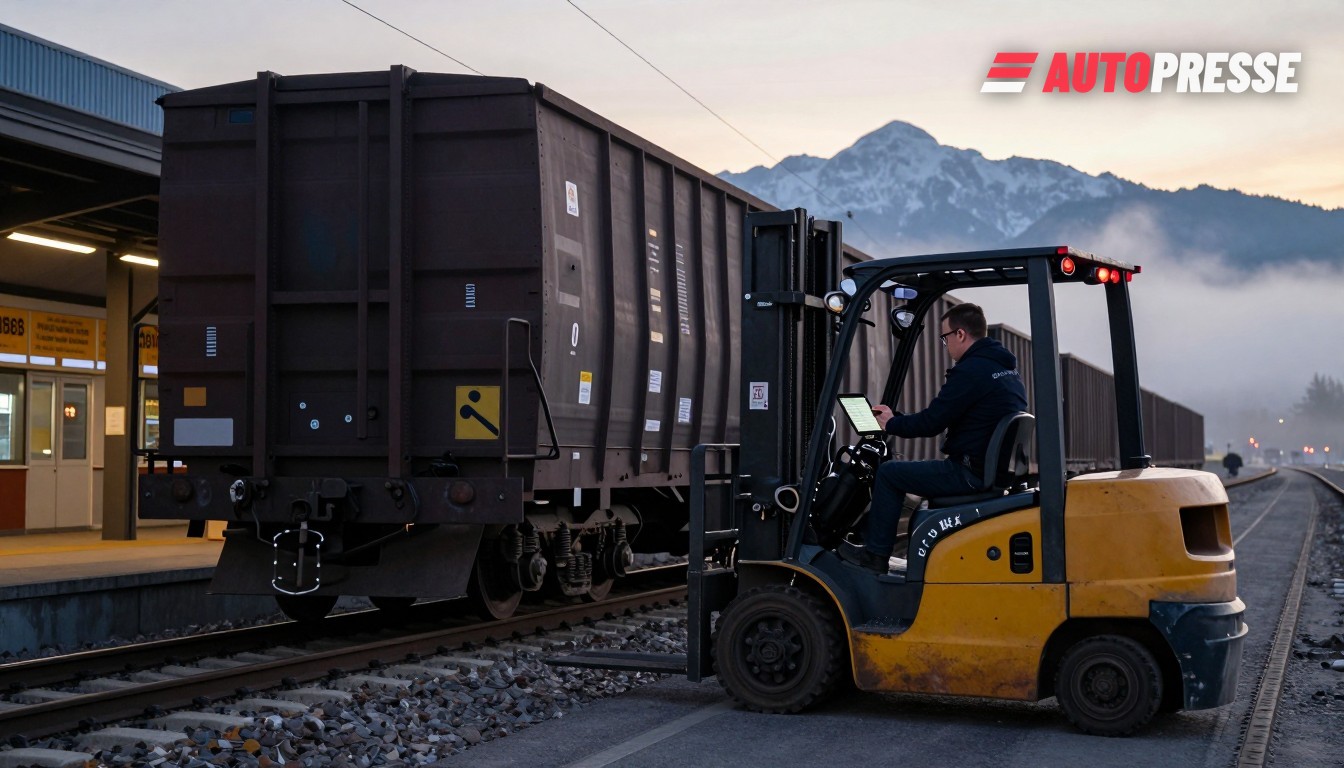
For drivers, depot staff and workshop teams the change will be practical: tablets and digital manifests will replace paper consignment notes at many checkpoints, but operators must budget for certified software and time to train staff before mid‑2027.
WorldTrader24 B2B-Fahrzeugmarkt für Händler →
Sources: European Commission (eFTI), Council of the EU (Implementing Regulation 2026/1233), Austrian ministry eFTI FAQ, eFTI Experts, CLECAT, International Railway Journal