The EU has approved a package of customs reforms that contains a new EU‑wide handling fee on small parcels and a tighter customs data regime — measures that logistics managers, automotive suppliers and dealers across Germany and Austria must factor into budgets and routing from late 2026. The Council’s text says a handling fee will be introduced by 1 November 2026 and that the Commission will set the level before member states apply it.
What changes and when
On 3 September 2026 the Council adopted its position on a revised Union Customs Code, part of a wider effort to centralise customs processing and to cover the surge in small‑parcel traffic from e‑commerce. The same Council statement flags the planned small‑parcel handling fee, intended to help meet the higher processing costs of millions of cross‑border deliveries. Member states must implement the new rules, and the Commission will determine the fee level before the fee enters national application.
Austria has already accelerated its digital border programme: Smart Border Austria moved to full‑scale regular operations on 1 October 2026, replacing older paper procedures at border customs offices and changing how imports, exports and transit are cleared. German and Austrian forwarders report that the new digital routines require updated IT links and new EORI/TIR handling workflows for many shipments.
Immediate operational effects
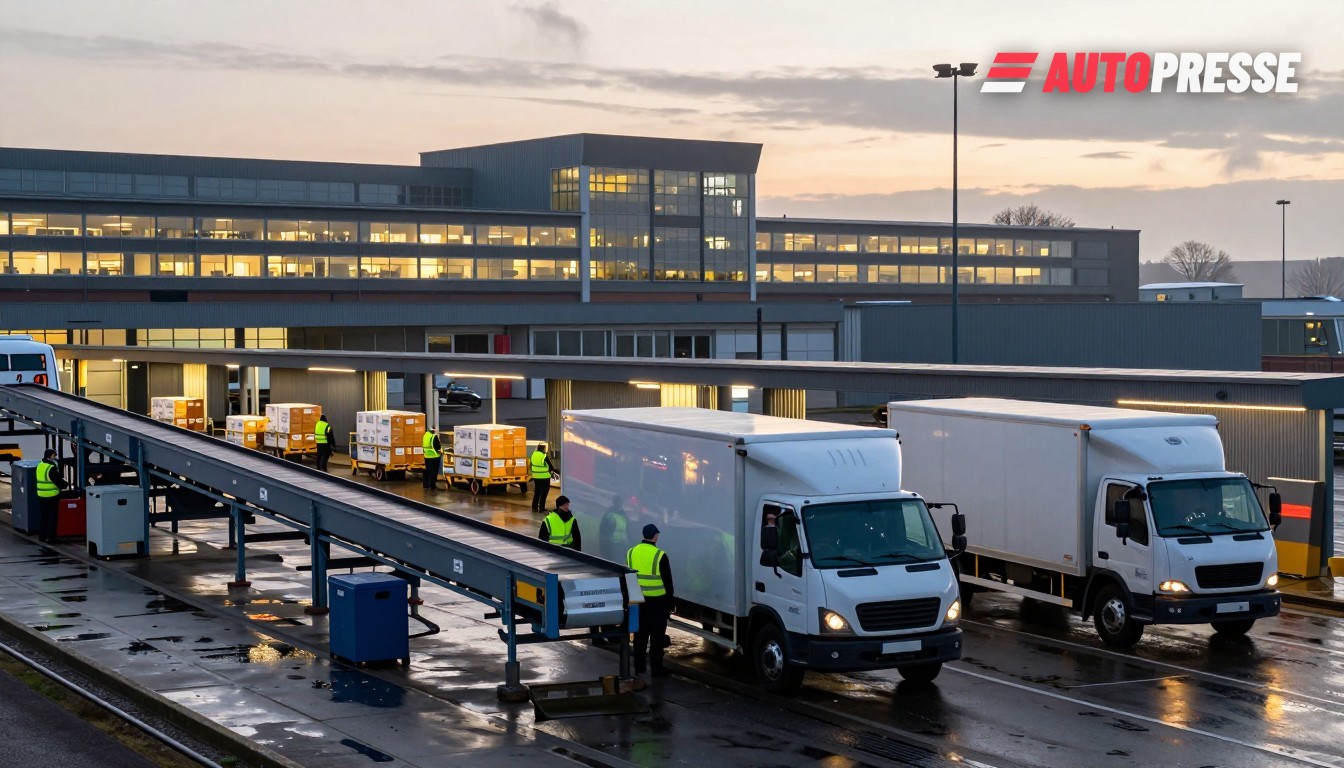
For freight operators, the changes mean higher unit costs for high‑volume, low‑value parcels and faster electronic checks for consolidated shipments. The Council noted that in 2025 customs systems handled roughly 6 billion e‑commerce parcels, underlining why lawmakers moved to a standard fee. Logistics managers in Hamburg and Bremerhaven are already re‑pricing last‑mile services and asking clients for clearer parcel classification to limit fee exposure.
European customs law updates also reference longstanding conventions that ease river and cross‑border traffic (the Rhine ‘‘manifest’’ and TIR facilitations), but Brussels’ push to centralise data and apply a handling fee shifts more processing and cost upstream — onto shippers, importers and platforms. Car parts consignments that were formerly grouped in larger pallets now face a choice: remain in parcel streams and pay per‑item handling, or re‑consolidate into freight lots to preserve unit economics.
What this means for the market
Expect immediate pricing pressure on small‑value consignments into Germany and Austria. Logistics providers will raise tariffs or impose surcharges for unclassified parcels; importers — including automotive aftermarket suppliers and online parts retailers — will renegotiate Incoterms and delivery models to control costs. Digital readiness now matters: firms with certified customs‑IT links to the EU systems and pre‑cleared consignments will avoid delays and secondary charges.
For carriers and hubs in northern Germany and Austrian gateways the fee creates an opportunity: those that offer fast, compliant parcel clearing and competitive consolidation services can capture volumes from smaller rivals unable to amortise new per‑package charges. Policymakers still need to set the exact fee level; once published by the Commission, transport managers should model the additional per‑parcel cost and test re‑routing to consolidated freight where possible.
WorldTrader24 B2B vehicle marketplace for dealers and fleets →
Sources: Consilium (Council of the EU), Austrian Federal Ministry of Finance, Eurostat, EUR‑Lex