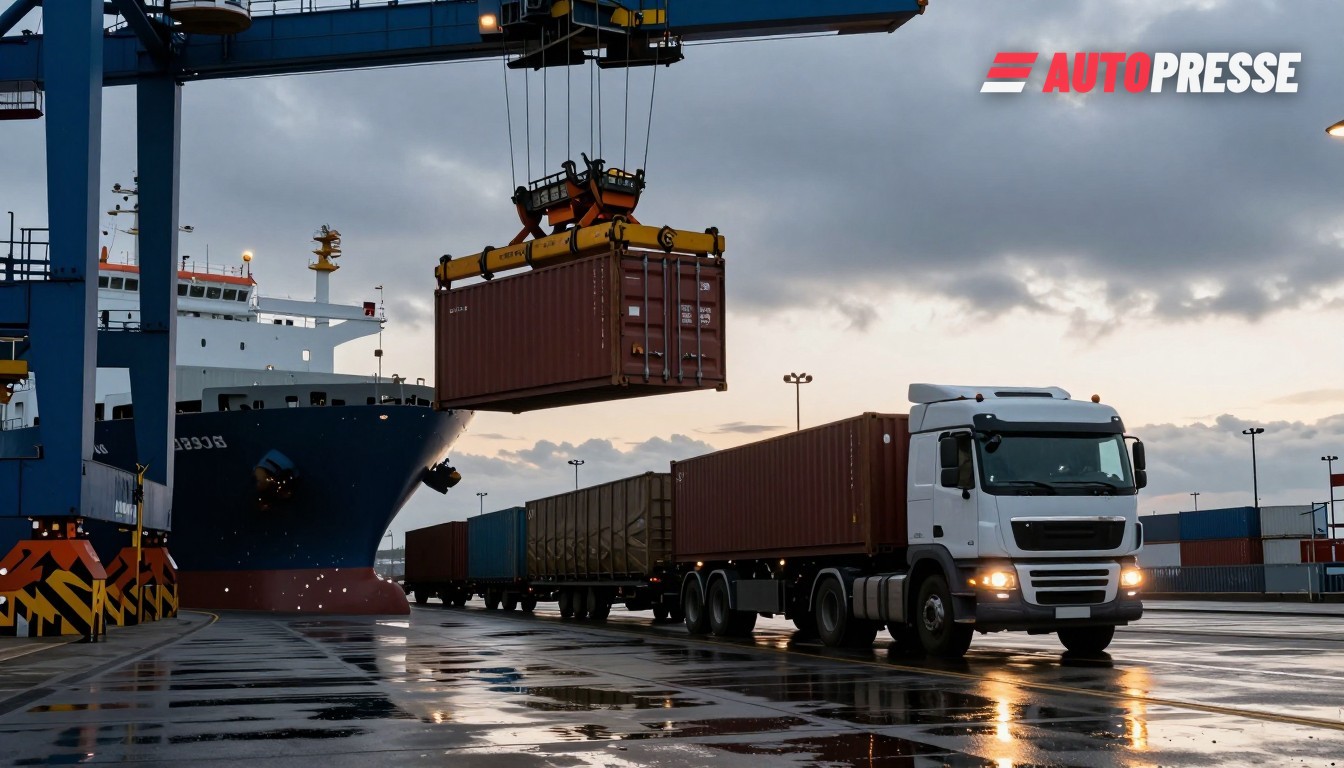
The logistics map of Germany and Austria is shifting fast. Container volumes at Hamburg have weakened this year while inland waterway traffic on the Danube suffered a summer collapse — and shippers are responding by boosting automated storage and distribution capacity in Austria and southern Germany. For carmakers, suppliers and dealer networks that rely on tight parts flows, the shift is already changing how buffer stock and last‑mile fulfilment are planned.
Why it’s happening
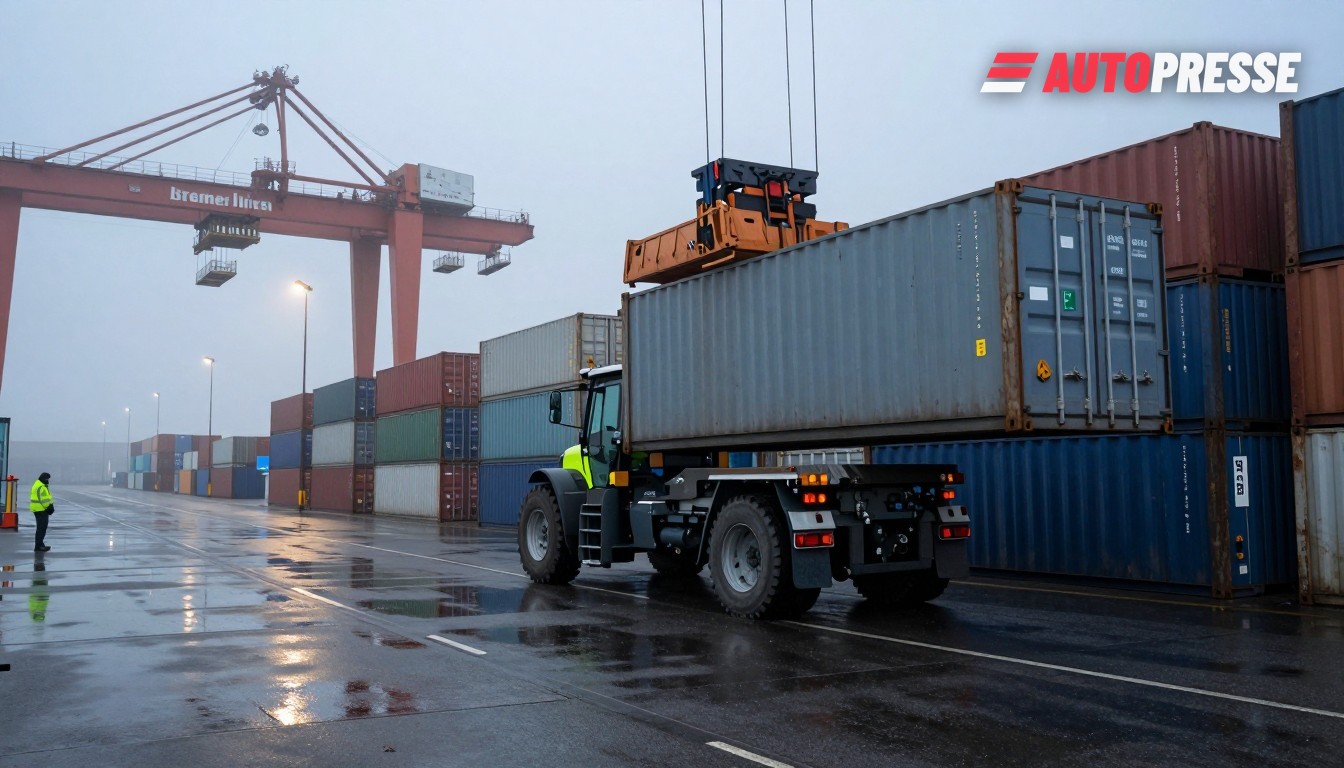
Germany’s largest port reported stabilisation in the third quarter but lower cumulative volumes: the Port of Hamburg recorded about 6.1 million TEU in the first three quarters of 2026, citing weather disruption, industrial action and global trade headwinds. At the same time Hamburger Hafen und Logistik AG (HHLA) said container throughput at its Hamburg terminals fell 7.3% to 4.446 million TEU in January–September 2026, a decline the company attributed to terminal modernisation work and operational disruption.
Not all North‑German ports look the same: Bremen/Bremerhaven reported growth — around 2.6 million TEU in the first half of 2026, up 5.7% year‑on‑year — highlighting a redistribution of flows along the North Sea coast. But lower water levels on Europe’s inland arteries compounded the pressure: Statistics Austria recorded a marked drop in Danube freight over the summer of 2026 as drought and shallow stretches constrained barge loads.
The combined effect — port modernisation, sporadic congestion, and less river capacity — has pushed shippers to re‑examine how close stock must sit to plants and dealers. That re‑examination shows up as demand for automated, high‑density inland hubs that can absorb inbound variability and turn parts around quickly.
Automation demand and industry response
Austrian integrators have seen that demand in their order books. TGW Logistics reported record order intake and a strong revenue year in 2026 as demand for goods‑to‑person and robotic fulfilment systems rose across retail and industrial customers; the company said its order intake hit new highs in the last reported financial year. Independent market analysis also points to an expanding smart‑warehouse market in Austria, with forecasts of high single‑ to low‑double‑digit annual growth driven by e‑commerce, labour costs and Industry 4.0 adoption.
Practically, that means new projects for AS/RS, robotic sorters and integrated warehouse‑control software in Upper Austria, Styria and the Vienna corridor — regions that already host system builders and 3PL operators. The result is quicker inward turnaround, higher buffer density away from congested coasts and the option to ship smaller, more frequent consignments by rail or truck into automated inland nodes rather than by vulnerable river barges or stressed container terminals.
What this means for the market
For OEMs and suppliers: expect higher landed‑cost pressure in the short term as ports rebalance and inland capacity is built — but also a reduction in supply‑disruption risk once automated inland buffers are online. For dealers and workshops: stock availability for parts may shift from single‑site JIT to regional mini‑hubs that deliver same‑day in many corridors. For logistics providers: the opportunity is clear — investment in automation, software and cross‑dock capacity will be rewarded, but winning contracts will require fast integration of customs, transport and warehouse systems.
Timing matters. Port throughput and river‑level swings are measured now; TGW and other integrators have already translated orders into production and installations across 2026–2027, meaning the first tranche of inland automation will be operational within months to a year. Shippers who delay re‑designing their networks face longer lead times and higher spot costs.
B2B vehicle listings on WorldTrader24 →
Sources: Port of Hamburg, HHLA, Bremenports, Statistik Austria, TGW Logistics, IndexBox