Germany and Austria’s supplier landscape is quietly reshaping around battery recycling: German pioneer Duesenfeld has secured legal protection for a low‑temperature drying process and is upgrading plants with major engineering partners, while material refiners across Europe are investing in scale. For drivers, dealers and tier‑two suppliers, that means a new domestic market for ‘black mass’, spare‑part recyclers and process equipment — and fresh revenue streams for metal, chemical and machinery suppliers in DE and AT.
Patent win, plant upgrades and licence momentum
On July 14, 2026 the German Federal Patent Court confirmed the validity of Duesenfeld’s foundational European patent (EP'922) covering its low‑temperature vacuum drying method — a process Duesenfeld says limits HF formation and preserves lithium salts for downstream use. The court decision was reported by the law firm that represented Duesenfeld on July 21, 2026.
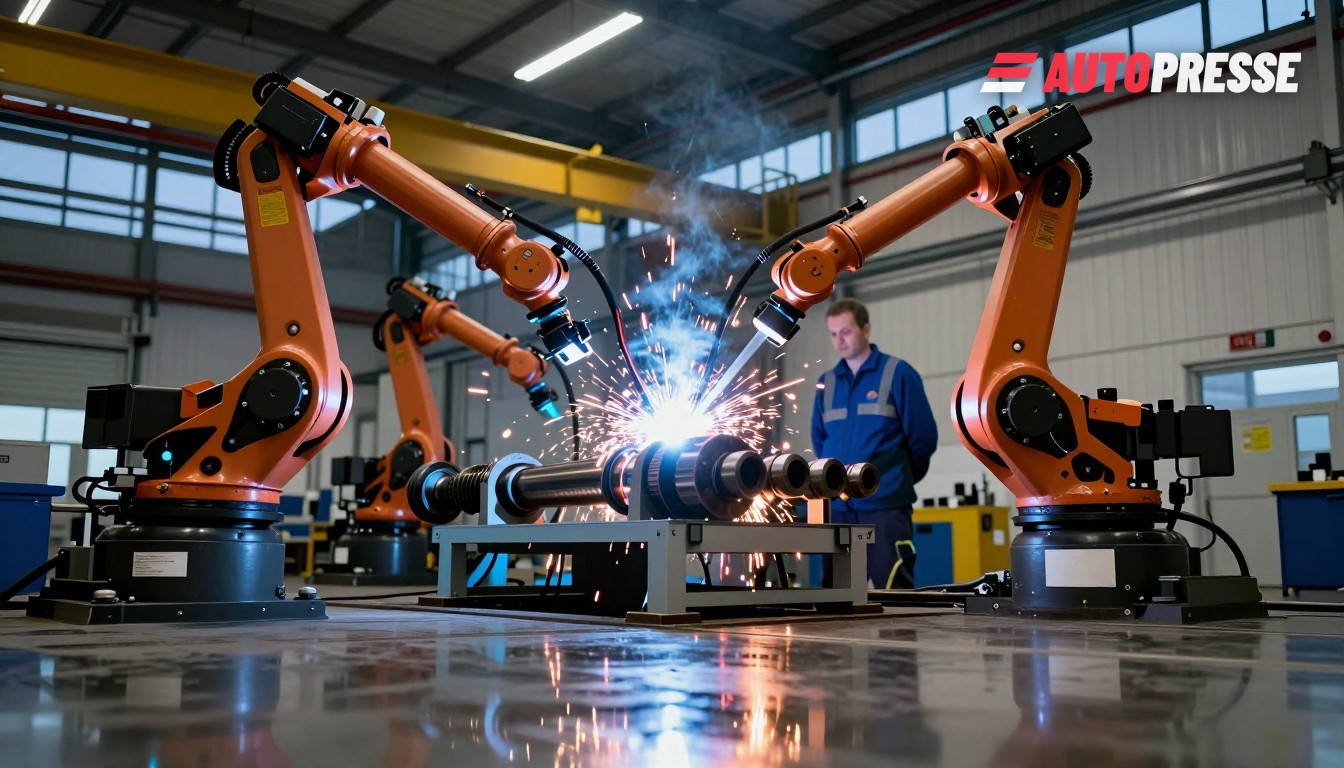
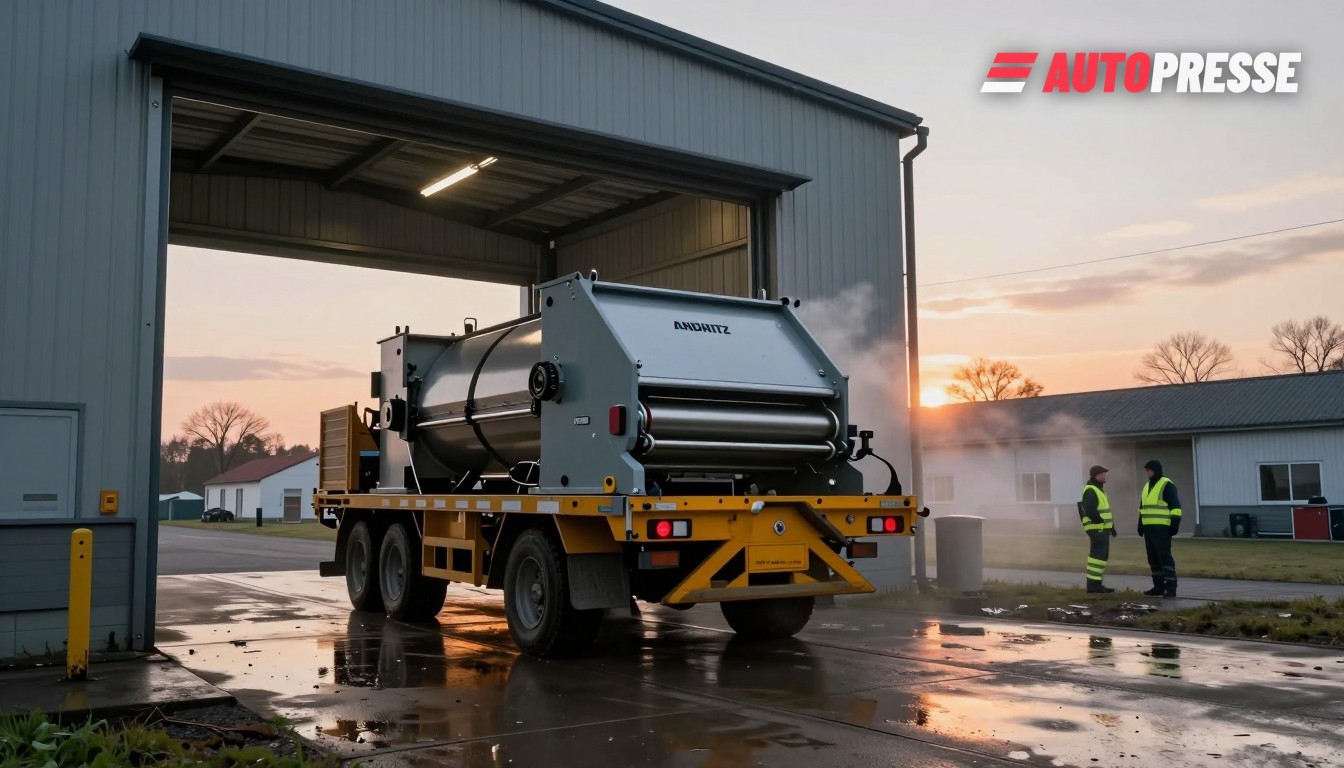
That intellectual‑property protection sits behind a series of commercial moves: ANDRITZ and Duesenfeld signed a cooperation agreement in February 2025 under which ANDRITZ will act as EPC/EPS contractor, supply shredders and dryers and upgrade Duesenfeld’s Wendeburg pilot line as a first reference project. The ANDRITZ release names the press date as February 10, 2025 and describes the plant upgrade scope.
Local reporting from Peine confirms Duesenfeld’s plans to expand its Wendeburg facility as it prepares for higher volumes of end‑of‑life EV packs, outlining how the company aims to scale operations to meet growing recycling demand in Germany. (regional report, October 2026).
European refining capacity climbs — and so do commercial ties
Meanwhile battery‑materials players are stepping up industrial investment: Umicore announced a EUR 450 million investment programme in November 2026 to expand refining and recycling capacity in Europe, underscoring how materials refiners are positioning to take in black mass and produce cathode materials at scale. That investment targets Hoboken and related refining assets as part of a broader growth plan announced on 12 November 2026.
Public filings and disclosures (and court exhibits) also show Duesenfeld has been licensing its process to industrial operators and demonstrating commercial lines — a sign that recycling know‑how is moving from pilot to licensed, replicable production, not just single‑site experiments. ANDRITZ documentation and related exhibits list Duesenfeld licence and reference projects.
What this means for the market
1) New downstream demand: German and Austrian suppliers of shredders, dryers, filtration systems, chemical processing equipment and hydrometallurgical inputs will see a growing addressable market as recycling shifts onshore. ANDRITZ’s role as EPC and equipment supplier highlights the class of machinery likely to win orders.
2) Licensing and IP create winners and losers: Duesenfeld’s July 14, 2026 patent decision strengthens licencing leverage for its process — meaning IP‑holding recyclers can capture margin from licenced plants while independent processors will have to buy or develop alternative flows. That will influence where German and Austrian refiners partner or invest.
3) Material flows to Europe: Large‑scale investment by refiners such as Umicore (EUR 450m announced 12 Nov 2026) signals that recovered cobalt, nickel and lithium will increasingly feed European cathode supply chains — a direct commercial opportunity for metal‑working and chemical suppliers in DE and AT that service refineries and battery‑cell lines.
4) Jobs and skills: Plant upgrades (Wendeburg) and new licensed lines will require mechanics, process engineers and automation specialists — a demand pool that German and Austrian vocational systems are already mobilising for. Regional expansion plans reported in October 2026 show hiring and plant‑works ahead.
For suppliers in Germany and Austria the market is no longer just about providing parts to carmakers: it’s about selling the machines, chemical inputs and plant services that close the battery loop. Expect more EPC contracts, more licensing deals and more cross‑border partnerships in the coming 12–24 months as recyclers move from pilots to industrial scale.
WorldTrader24 B2B-Fahrzeugmarkt für Händler entdecken →
Sources: ANDRITZ, BARDEHLE PAGENBERG, PAZ (Peine regional), Umicore