Germany and Austria’s supply chains face a new, concrete test of circularity this winter as Audi announces a dedicated used‑parts and recycling business. The Ingolstadt‑based OEM says the wholly‑owned Audi Circular Solutions GmbH will begin operations in early 2027 — a development that matters to drivers, dealers, independent workshops and dismantlers across both countries because it directly affects parts availability, pricing and the flow of secondary raw materials.
Audi’s new arm: scope and timetable
Audi presented the plan on 13 November 2026: Audi Circular Solutions will initially launch a central sales channel for used genuine parts, then add vehicle purchasing, industrial dismantling and the securing of recycled materials for Audi’s supply chain. The company says it will work with “established partners” across Europe and will begin operations in early 2027. Michael Gick, one of the managing directors, described the model as combining Audi’s strengths with local partners to “move quickly to implement the circular economy consistently and, step by step, build a scalable, profitable business model.”
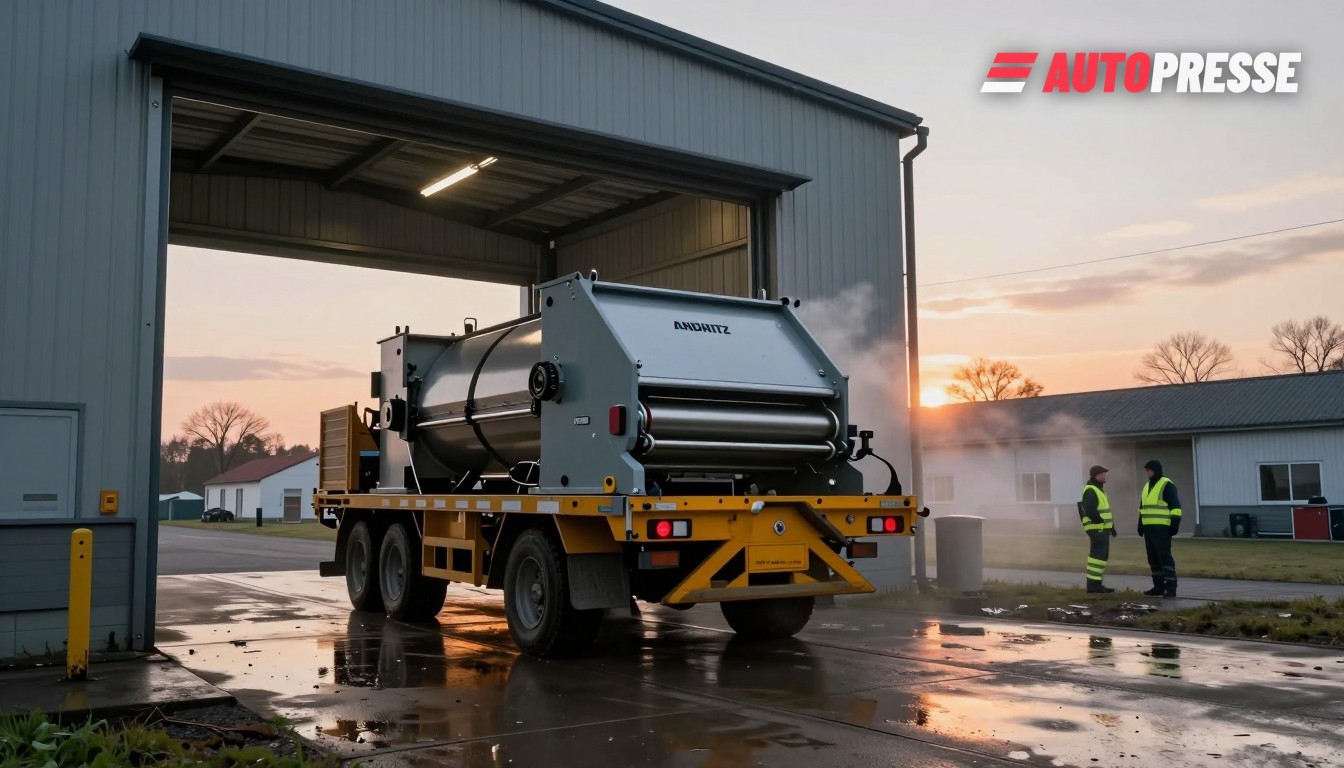
The new subsidiary explicitly links commercial used‑parts sales with material security: Audi names recycled plastics and selected secondary raw materials as priority areas and says the programme is built on pilot projects and a dismantling line Audi already tested in-house. The first phase is a centralised online/wholesale channel for genuine used parts; dismantling and industrial recovery are set to follow.
What this means for the market
For suppliers and repair networks in Germany and Austria the implications are immediate and measurable. The market for remanufactured and reused components is already large and growing: industry estimates place global remanufactured automotive parts at roughly $66.1 billion in 2025, with Western Europe a major share of the activity. This is a growth segment that OEM‑backed exchange and reuse programmes can capture if they offer availability, warranty and simple distribution.
Independent workshops in Germany — a key demand channel for used parts — still value availability and guaranteed fitment. Recent German workshop research shows used and exchange parts are an established tier of supply and that OEM exchange programmes can close an availability gap valued by garages. That makes Audi’s move commercially relevant to Germany’s repair market and to Austrian workshops that buy across borders.
Suppliers that currently sell replacement parts, plastics or recycled feedstock will face new buyer behaviour: OEMs expanding in‑house reuse reduce reliance on spot markets for cores and salvaged modules, while centralised OEM channels can raise quality and traceability expectations. At the same time, dismantlers, remanufacturers and logistics providers stand to win new, higher‑volume contracts if they meet OEM standards for quality, documentation and carbon accounting.
For German and Austrian tier‑1s and smaller firms the strategic task is clear: win partnerships with OEM reuse programmes or pivot to supply the industrial dismantling and reman chains. Audi’s announcement makes that timetable explicit — a formal business launch in early 2027 gives suppliers months, not years, to respond.
Audi models available now on WorldTrader24 →
Sources: Audi MediaCenter, The Business Research Company, Wolk & Nikolic