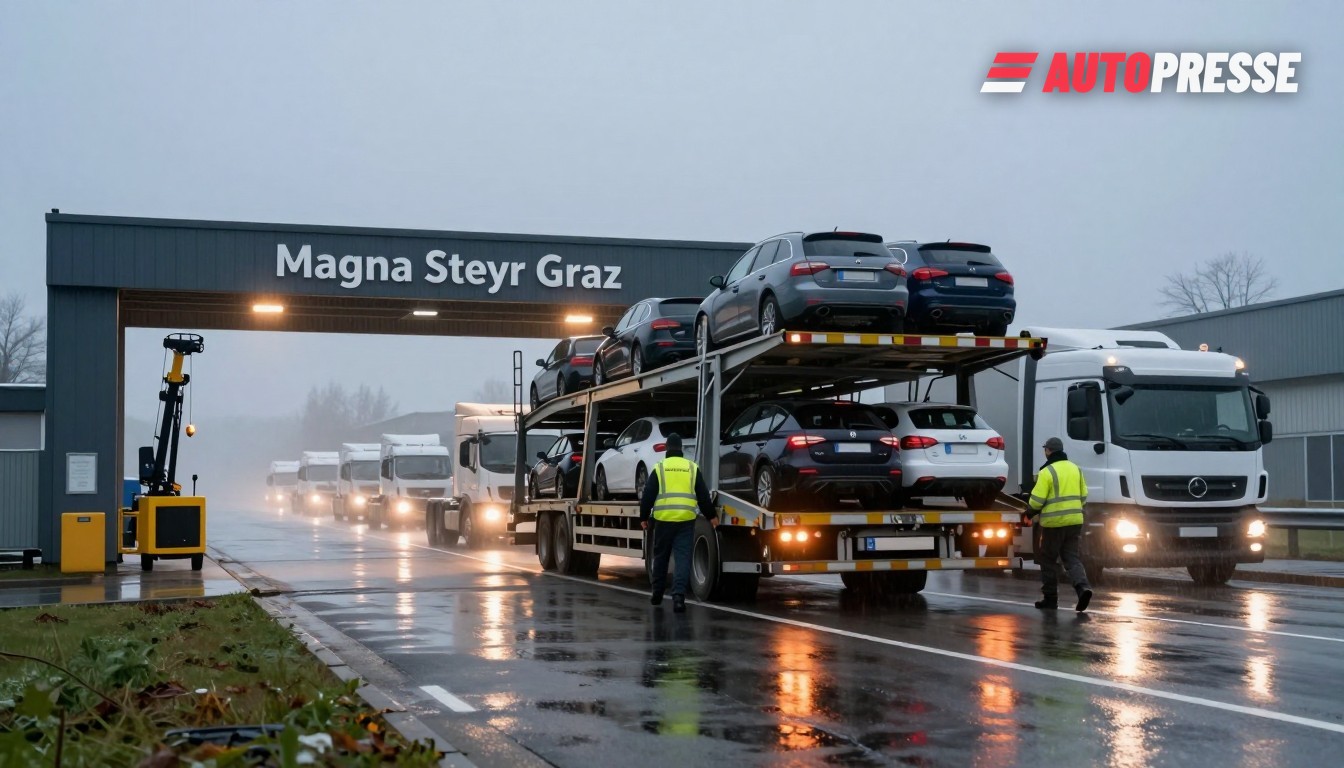
The supplier landscape in Germany and Austria is shifting from ad‑hoc cost cutting to a two‑track response: mid‑tier specialists are securing targeted finance and new regional plants, while large groups push into semiconductors and high‑value electronics. That matters to dealers, buyers and workforces because it changes who supplies modules, how quickly parts arrive and where jobs grow or shrink.
Loans and local plants prop up mid‑tier capacity
Small and medium suppliers are using public and development finance to keep production close to OEMs. On 22 September 2026 the European Investment Bank agreed a €15 million loan to Germany’s PWO Group to equip a new lightweight‑metals factory in Serbia — a €31 million project that the company says will support its machinery purchases and export capacity. The EIB financing is playing the role of crowding in private investment for a supplier that serves German OEMs and tier‑1s.
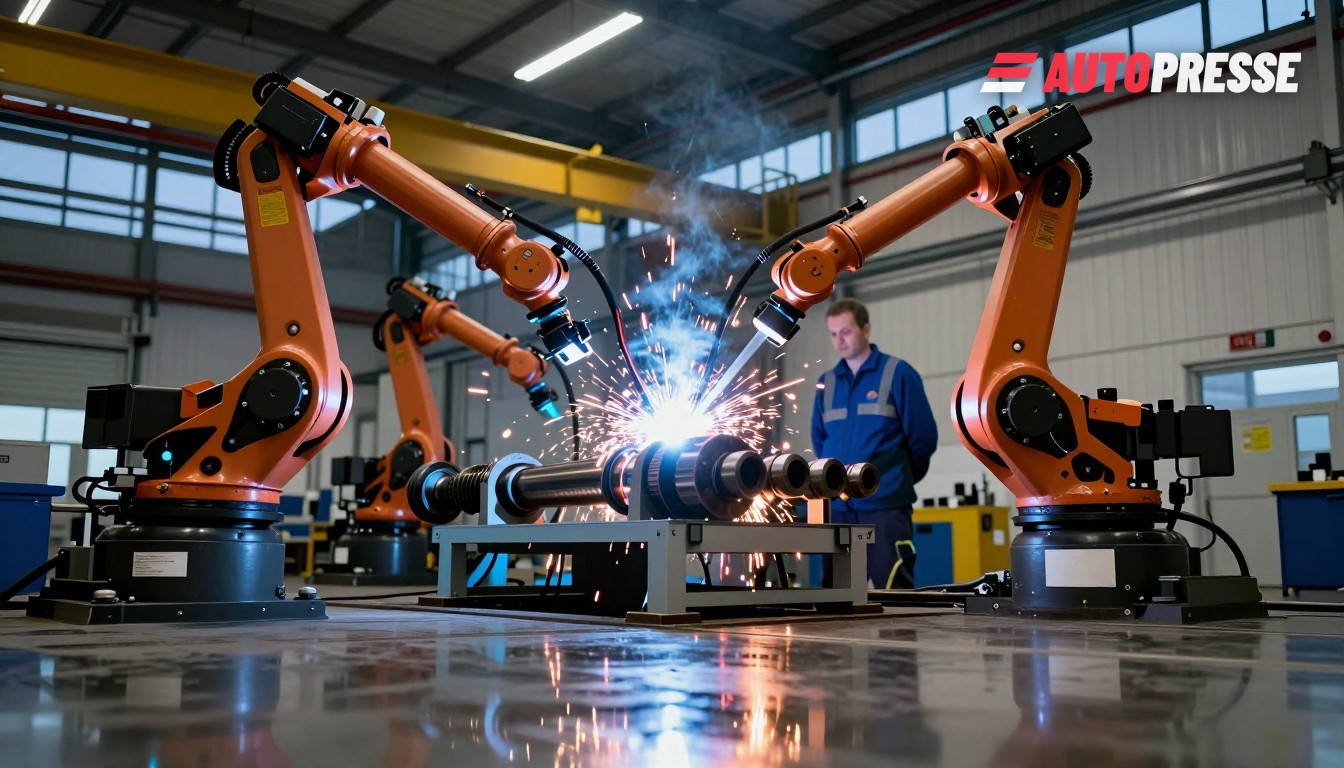
At the same time, established industrial suppliers are opening assembly capacity in Germany. Thyssenkrupp Automotive Technology celebrated a new axle assembly plant in Allershausen (near Munich) on 2 November 2026; the site is expected to create about 250 jobs and aims to simplify OEM supply chains by concentrating module assembly and quality management locally. For purchasing teams this reduces cross‑border complexity and shortens lead times for axle modules.
Majors double down on chips and high‑value electronics
While mid‑tiers seek public finance and regional plants, major German suppliers are investing in semiconductor capability to control the content that flows into cars. Bosch’s wider semiconductor and foundry moves include a US‑based expansion: reporting shows Bosch agreed preliminary terms for up to $225 million of support from the US CHIPS programme for work at a Roseville, California fab conversion and was also awarded a $25 million California Competes tax credit; the Roseville project is part of a broader plan to repurpose foundry capacity for power‑electronics and SiC devices needed by automakers. These investments — reported in mid‑2026 updates — illustrate why German OEMs and tier‑1s expect higher local content for power electronics and sensors to be sourced from established suppliers.
Across the region, supplier strategy is therefore bifurcating: localised mechanical and module plants (axles, metal forming, assembly) on one hand, and high‑value electronics and semiconductors on the other. That shift changes procurement calendars and qualification windows for OEM buyers and tier‑2 vendors. AutoPresse analysis of recent carve‑outs and material‑lab openings shows commissioning windows and ownership changes through 2027 will create concrete renegotiation moments for OEM sourcing teams.
What this means for the market
Practical implications are immediate: buyers should expect shorter lead times for mechanical modules where new assembly plants are opened locally (for example, the Allershausen axle line) and longer, more formal qualification tracks where components involve new semiconductor or power‑electronics capacity. For employees and regional policymakers, the combination of EIB‑backed projects and new assembly lines points to pockets of job creation even as other parts of the supply chain consolidate or shift eastwards. For dealers and workshops, the split means some components will be easier to source domestically while software and silicon content will increasingly be controlled by large suppliers.
WorldTrader24 B2B vehicle marketplace for dealers and wholesalers →
Sources: MarketScreener, ad‑hoc‑news, Semiconductor Today, Plastinfo, Industriemagazin, Leadersnet, AutoPresse