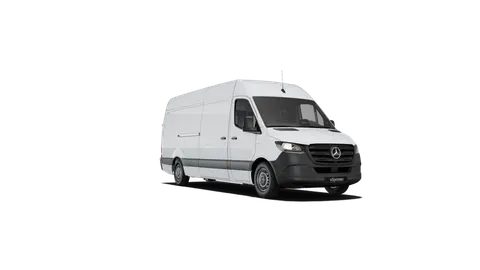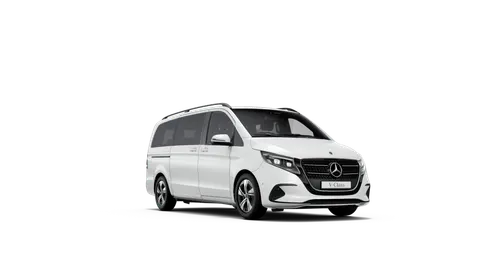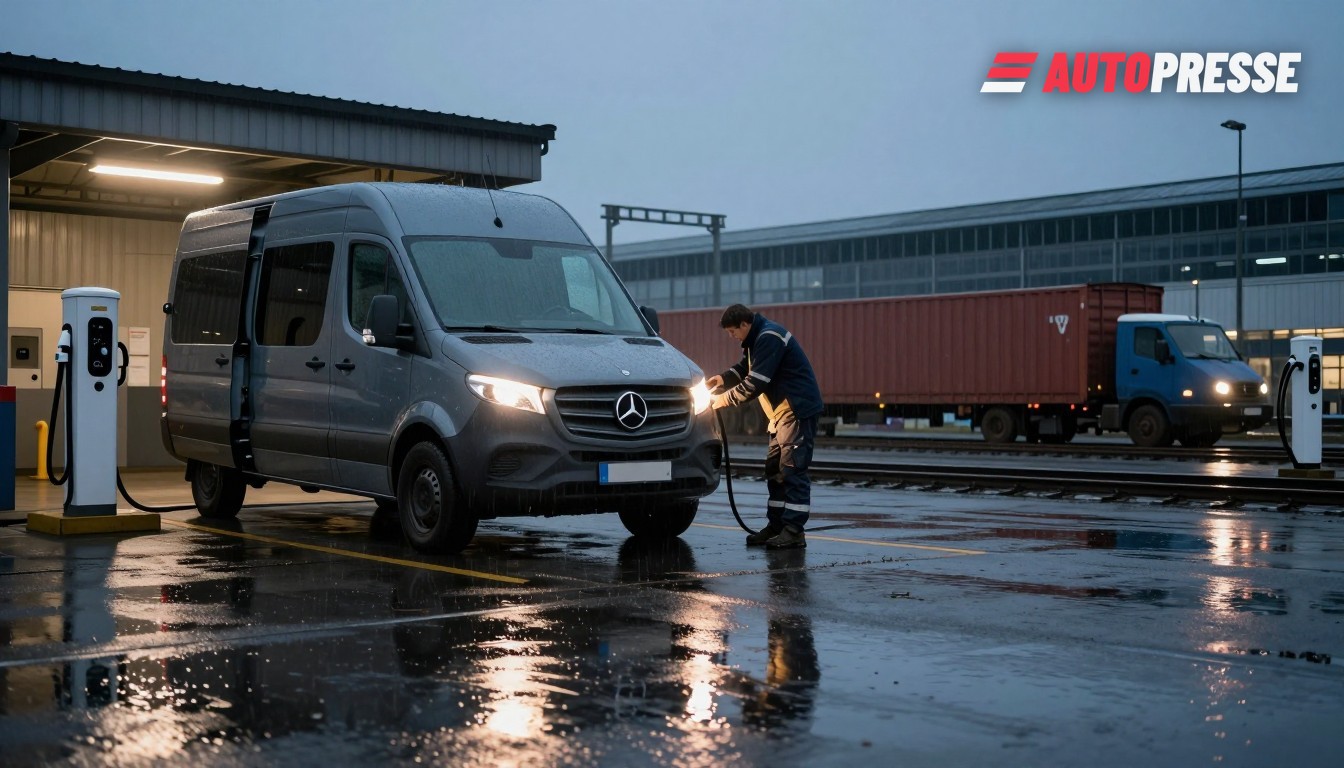
Small vans and light commercial vehicles (LCVs) are emerging as a decisive battleground for electrification in Germany and Austria. For drivers, fleet managers and dealers the change is practical — depot charging, range and total cost of ownership now matter as much as badge and trim. For policy and infrastructure planners, the trade‑offs between vehicle weight, tachograph rules and charging capacity are shaping buying decisions in real time.
Numbers and regulatory friction
Industry and grid analysis published around the NUFAM commercial‑vehicle show says Germany already counts roughly 109,000 fully electric lorries and vans on the road, with the bulk — about 78,000 — classified as vans, roughly 21,000 as small lorries (3.5–12 t) and nearly 10,000 as heavy lorries. The same analysis notes electric commercial vehicles still represent only a few percent of the total fleet but are growing rapidly. These figures come from E.ON’s market calculations published on the NUFAM site on 29 September 2026.
That momentum collides with EU technical rules. A European Commission staff working document (CELEX:52025SC1056) highlights a practical barrier: battery weight can push many electric vans over the 3.5‑tonne threshold, forcing tachograph installation and extra driver rules that do not apply to lighter diesel rivals. The Commission paper (2025) flags this as a real competitive disincentive for SMEs and parcel fleets.
Austria: fast registrations, focused fleets
Across the border, Austria’s new‑car market has also accelerated: Statistik Austria reported a 12.1% increase in passenger‑car registrations between January and September 2026, and highlighted strong double‑digit growth for electric models in recent months (report dated 9 October 2026). Fleet and small‑business buyers in Austria are increasingly visible in those numbers, which matters because they feed the used‑vehicle pipeline and depot charging demand.
What this means for the market
First, fleet procurement is shifting from outright purchase to lease, full‑service and kilometre‑based contracts as companies avoid the upfront premium and operational uncertainty of e‑vans — a trend the NUFAM coverage links to higher acquisition costs and the appeal of flexible rental models. Dealers must therefore broaden offerings from single‑point sales to bundled depot‑charging, telematics and service contracts.
Second, depot charging and grid access become the commercial battleground. Operators that can install high‑power depot chargers and optimise charging with smart software will lower operating costs and make electrified vans competitive on TCO. Market research forecasts continued strong CAGR for battery‑electric vans across Europe, driven by urban delivery demand and stricter CO₂ targets. Industry analysts note that economics and targeted incentives — not just model availability — will determine whether SMEs convert rapidly.
Third, the EU’s technical and tachograph thresholds will shape product design and sales mix. OEMs and converters may respond with lighter chassis, smaller batteries for urban ranges, or N1‑compliant configurations that avoid tachograph rules — but such engineering work and re‑homologation take time and cost. The Commission’s working document has already put that regulatory friction on manufacturers’ and fleet buyers’ radar.
For Austria, the immediate implication is a two‑track market: urban fleets and parcel services push electrification quickly, while rural and cross‑border operators wait for lighter, regulation‑friendly e‑van options or for charging and depot incentives to cover costs. For German dealers, van‑focused sales teams, depot‑installation partnerships and leasing products are now core to competitiveness.
Sources: NUFAM / E.ON, EUR‑Lex (EU Commission)