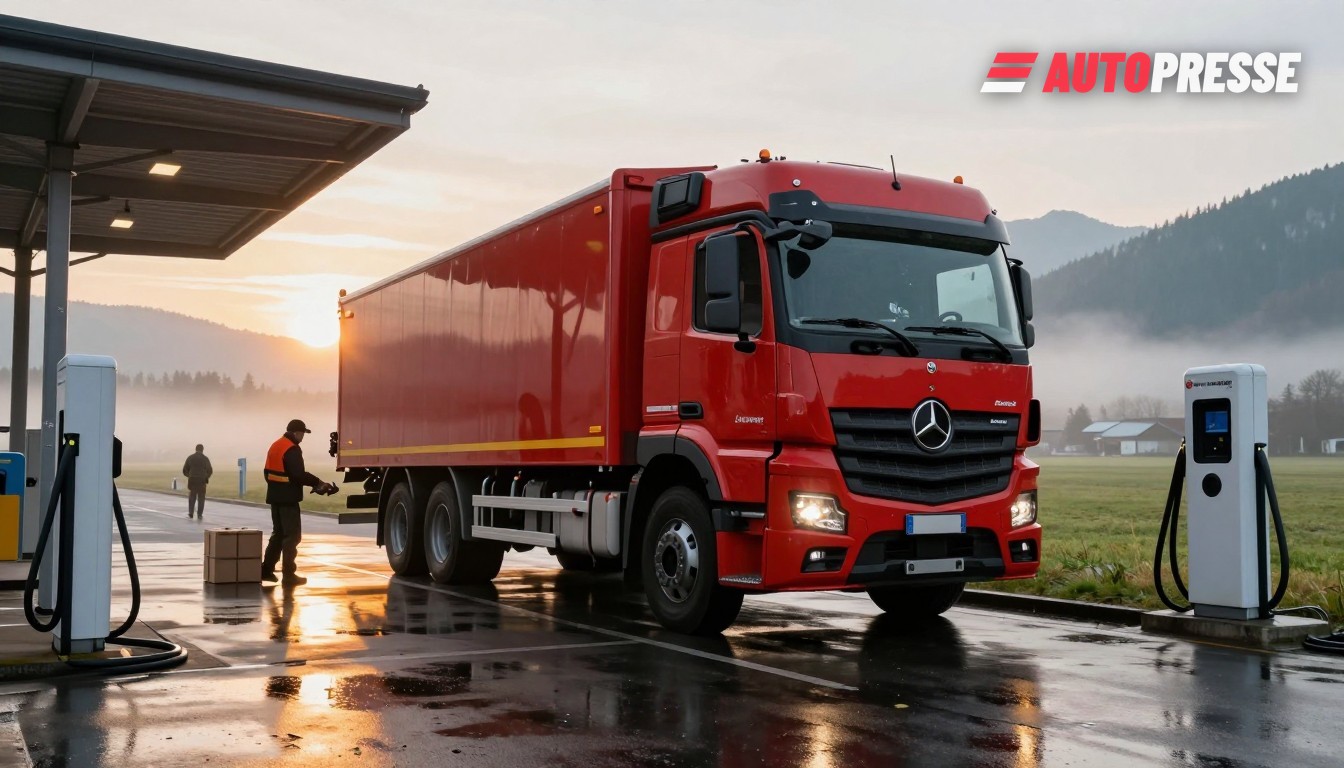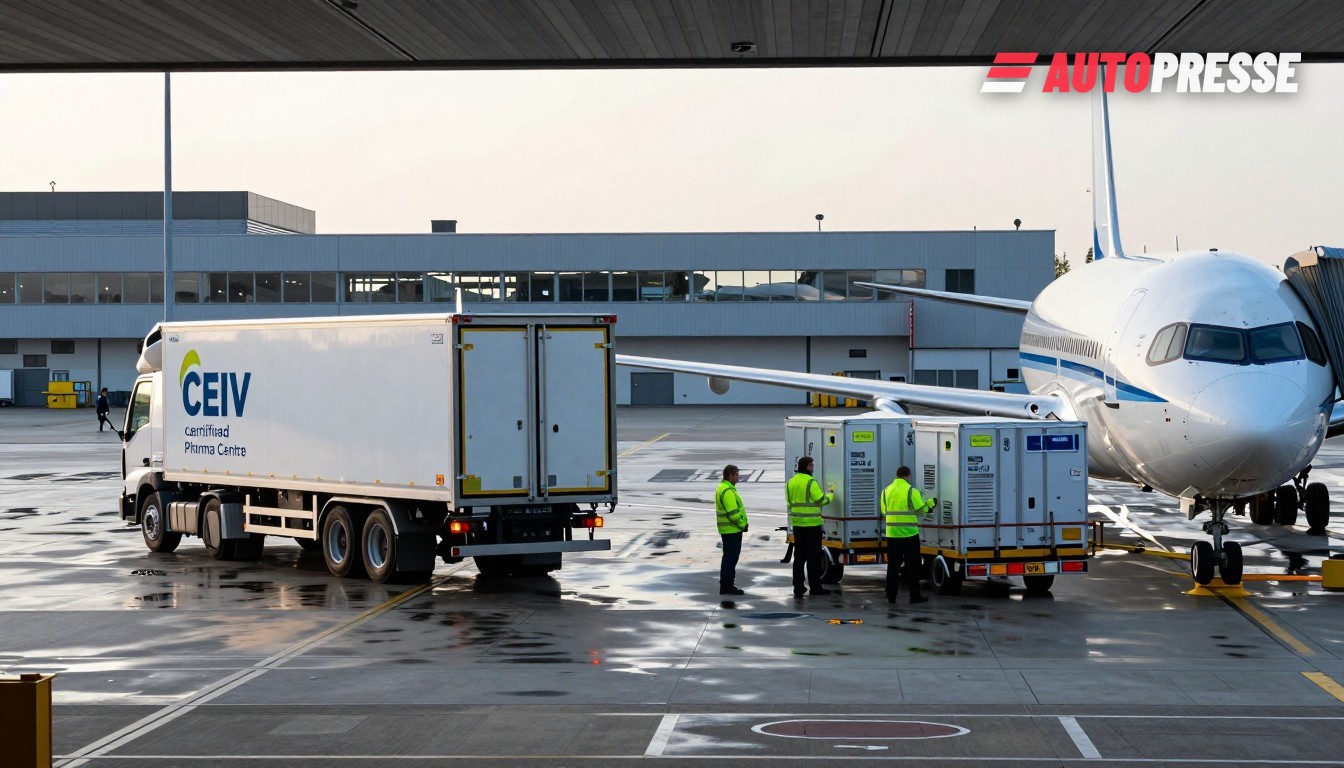
Germany and Austria are seeing a rapid, commercial build‑out of pharma logistics that is rewriting hub priorities for freight operators, airports and the region’s supply chains. Dedicated cold‑chain capacity has surged at Frankfurt while Vienna tightens its pharma offering at Schwechat — moves that matter for carmakers, parts suppliers and transport managers who now compete for scarce apron time, warehousing and specialised staff.
Big new capacity at Frankfurt — Vienna answers with specialised handling
In Frankfurt, the largest independent handler, Frankfurt Cargo Services (FCS), officially opened a CEIV‑ and GDP‑certified Pharma Centre in May 2026 that quadrupled the airport’s temperature‑controlled handling area, a step Fraport calls part of a wider PharmaHub strategy to make FRA Europe’s leading pharma gateway.
Logistics provider Kuehne+Nagel added a 3,505 m² healthcare logistics centre at Frankfurt Airport in September 2026, providing dedicated +2–+8°C and ultra‑low temperature (-70°C) storage to serve growing pharma airfreight volumes. The company said the new site improves connectivity and control for temperature‑sensitive shipments.
Austria has not stood still. Vienna Airport operates the Vienna Pharma Handling Centre (VPHC) adjacent to the apron and lists GDP/CEIV‑capable services; market reports show Vienna positioning itself as a Central and Eastern Europe pharma gateway while Austrian logistics firms exhibit at LogiPharma Vienna to expand certified capacity.
Where airfreight growth hits the wider logistics market
Operators and airports say pharma traffic requires priority apron access, validated processes and dedicated truck‑to‑airside links — all of which raise the opportunity cost of using space and staff for other sectors. Fraport’s PharmaHub materials estimate roughly 200,000 tonnes of pharma handled annually at Frankfurt and highlight the higher handling standards and turnaround demands that pharma shipments impose.
At the same time, global logistics groups are adding GDP‑compliant facilities and CEIV certification across Europe — DHL, Kuehne+Nagel and others have expanded European cold‑chain networks and hubs (DHL’s Florstadt LSH campus and Kuehne+Nagel’s FRA centre among the headline investments). Those moves concentrate specialised staff and specially equipped truck capacity near airports, tightening local road access during peak windows.
What this means for the market
For Germany and Austria’s automotive supply chain the implication is clear: high‑value pharma freight is absorbing premium airside and warehouse resources, pushing some general cargo (including urgent parts and electronics) into longer lead times or onto road/rail alternatives. Logistics planners must now factor in slot‑sensitive tarmac windows, certified truck fleets for temperature control and competition for labour trained in GDP and CEIV processes. Companies that depend on just‑in‑time deliveries — OEMs, Tier‑1s and parts distributors — will need alternative staging strategies, earlier cut‑offs or premium, temperature‑capable trucking to avoid disruption.
Policymakers and port/airport authorities face a choice: prioritise the high‑margin pharma growth by expanding certified facilities and dedicated apron links, or protect capacity for diversified industrial freight. Either way, Germany and Austria’s logistics networks are being re‑shaped by a business segment that pays more per kilogram and demands stricter standards — and that will steer future infrastructure and labour investment decisions across both countries.
Sources: Kuehne+Nagel, Frankfurt Cargo Services (FCS), Fraport, Vienna Airport, DHL