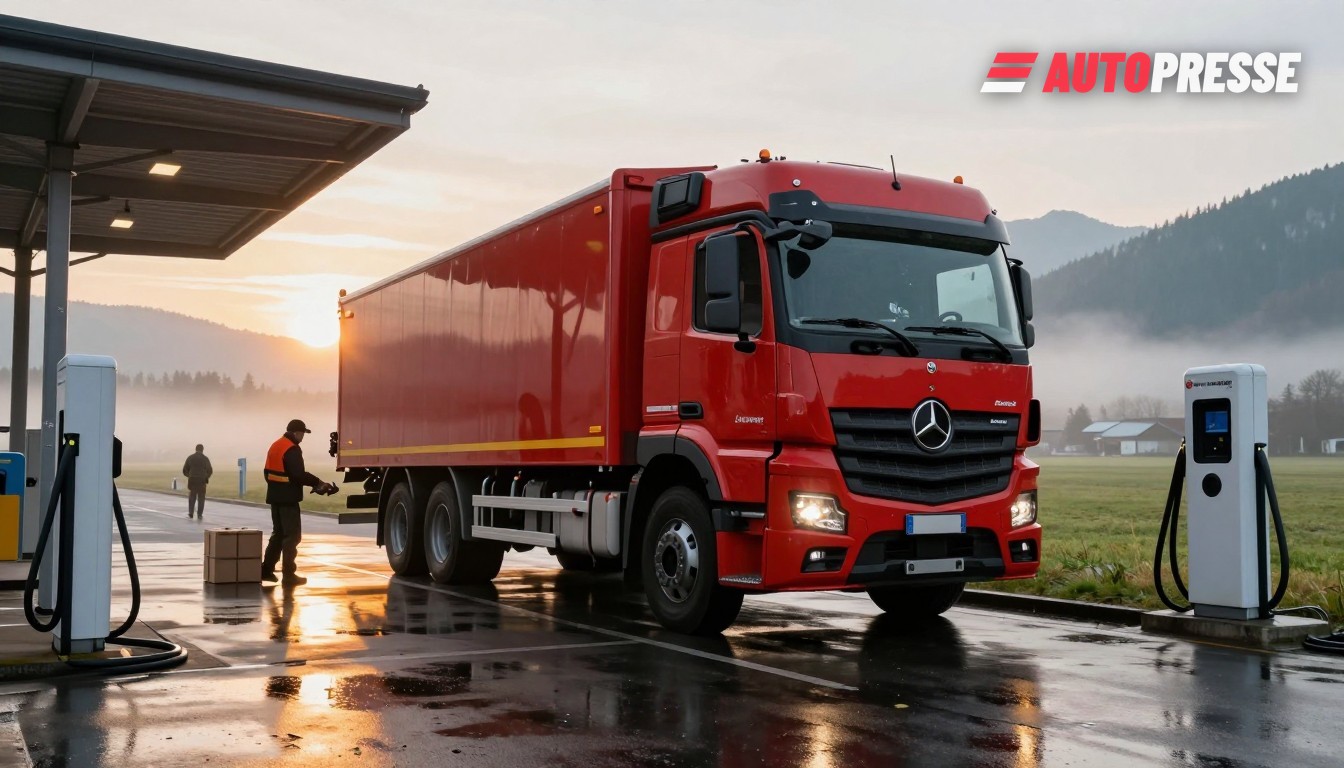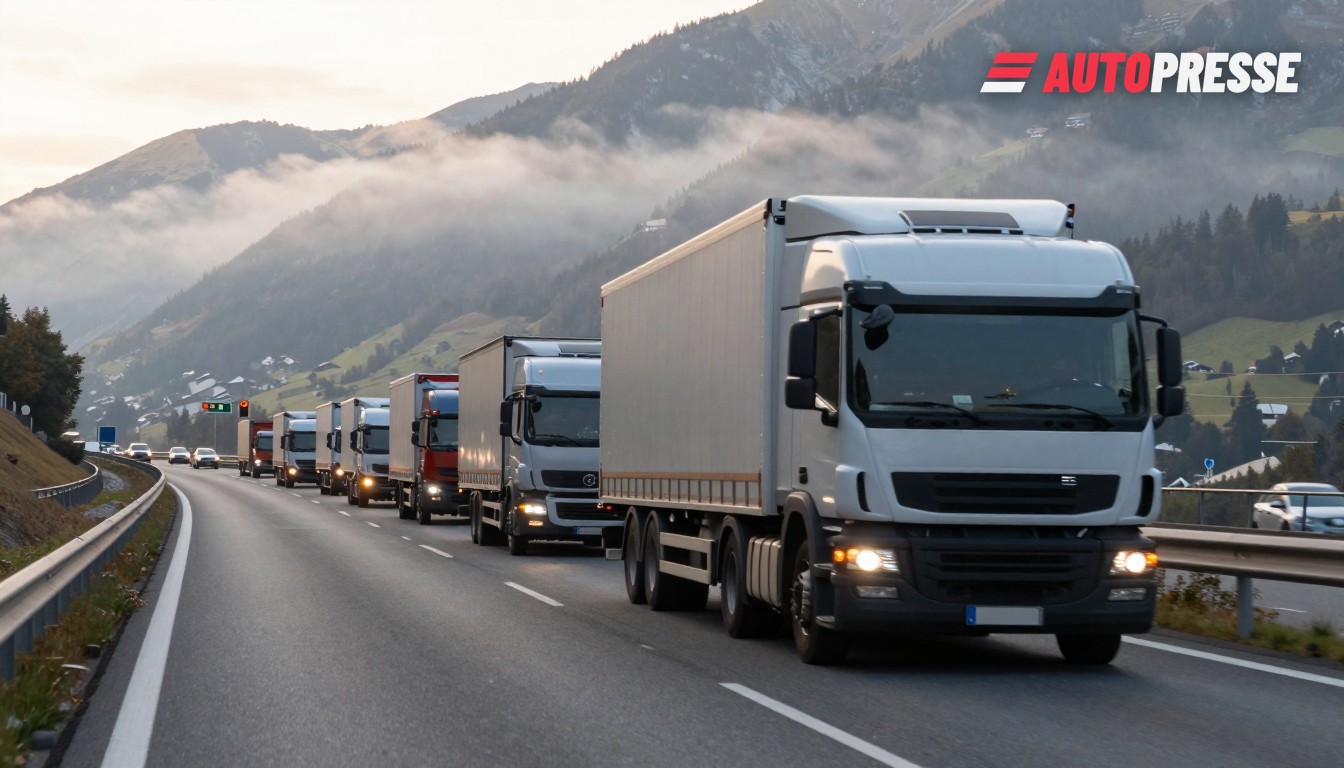
The European road‑haulage system has moved from cyclical tightness to structural scarcity. Industry data show roughly 502,000 unfilled truck‑driver posts in Europe — a shortage concentrated on the continent’s busiest corridors — and German carriers are feeling the strain in capacity and costs.
How shortages show up on German and Austrian routes
Germany’s operational picture is striking: toll‑recorded mileage for trucks rose sharply in mid‑2026 even though freight volumes were not surging, a sign that high vehicle utilisation is driven by limited available truck capacity rather than a demand boom. ELVIS data for June 2026 show mileage up 10.5% month‑on‑month and 8.1% year‑on‑year; ELVIS warns that missing drivers can put otherwise serviceable vehicles effectively out of the market.
At the same time, cabotage patterns underline cross‑border dependence: in 2025 Germany and Austria were among the EU states with the highest cabotage penetration rates (10.7% for Germany, 10.1% for Austria), and more than half of EU cabotage‑tonne‑kilometres still take place inside Germany. These figures show both the reliance of domestic markets on third‑country‑registered fleets and the operational flexibility that shippers and carriers now exploit.
How carriers and governments are reacting
Responses are both commercial and policy‑level. Large fleet operators are diversifying recruitment and registration footprints across Eastern Europe to access drivers and maintain capacity; industry reporting in 2026 documents such moves as strategic responses to constrained home labour markets. At national level, Austria published a formal logistics site strategy in January 2026 that singles out the “pronounced shortage of skilled labour” as a central challenge and set an implementation phase starting June 2026. The ministry framed the strategy as necessary to keep Austria competitive at Europe’s transport crossroads.
Cost pressure compounds the capacity squeeze. Logistics real‑estate and sector analysis warns that labour and energy costs plus new road‑charging schemes introduced in 2026 are forcing a wave of consolidation and automation in distribution centres; Panteia‑based estimates cited in industry commentaries put some road‑charge impacts near a 9.8% cost increase for affected operators. That makes larger, more automated hubs and tighter network planning a practical response for shippers in Germany and Austria.
What this means for the market
Shippers should expect capacity to be priced and awarded on the basis of driver access as much as fleet size: carriers that can recruit across several labour markets or operate integrated, owner‑driven fleets will be preferred. High utilisation and rising personnel costs (already visible in German payroll figures) mean spot fragility — companies may need long‑term contracts or multi‑country carrier strategies to secure goods flows.
For employers and policymakers the signals are clear: attract and retain drivers (training, housing and working‑time measures), simplify legal pathways and invest in automation where scale permits. Austria’s logistics site strategy (implementation from June 2026) and sector calls for coordinated recruitment pathways reflect this double track of labour and infrastructure action.
Operationally, expect more reflagging of trucks and cross‑border hiring, tighter regional consolidation of hubs, and greater scrutiny by buyers of a carrier’s driver‑sourcing map when awarding contracts.
Electric vehicles for sale on WorldTrader24 →
Sources: IRU, ELVIS (trans.info), Eurostat, Austrian Federal Ministry (BMIMI), CBRE