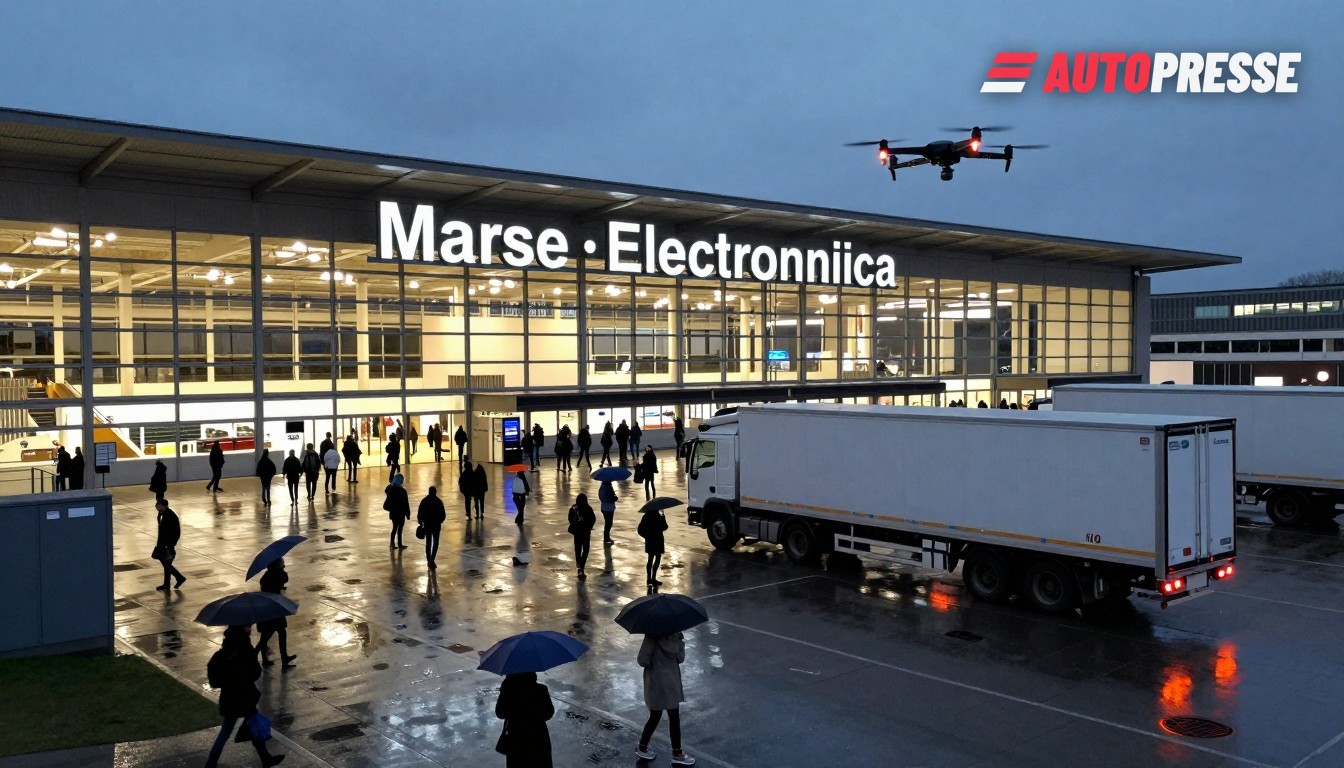
Germany’s auto sector woke up on 10 November 2026 to a warning from chipmakers that will matter to drivers, dealers and factory workers: demand for AI datacentre hardware is already squeezing the parts that go into cars. The message, delivered at Munich’s Electronica trade fair, underlines a new, immediate supply risk for German manufacturers and their supplier networks.
What was announced in Munich
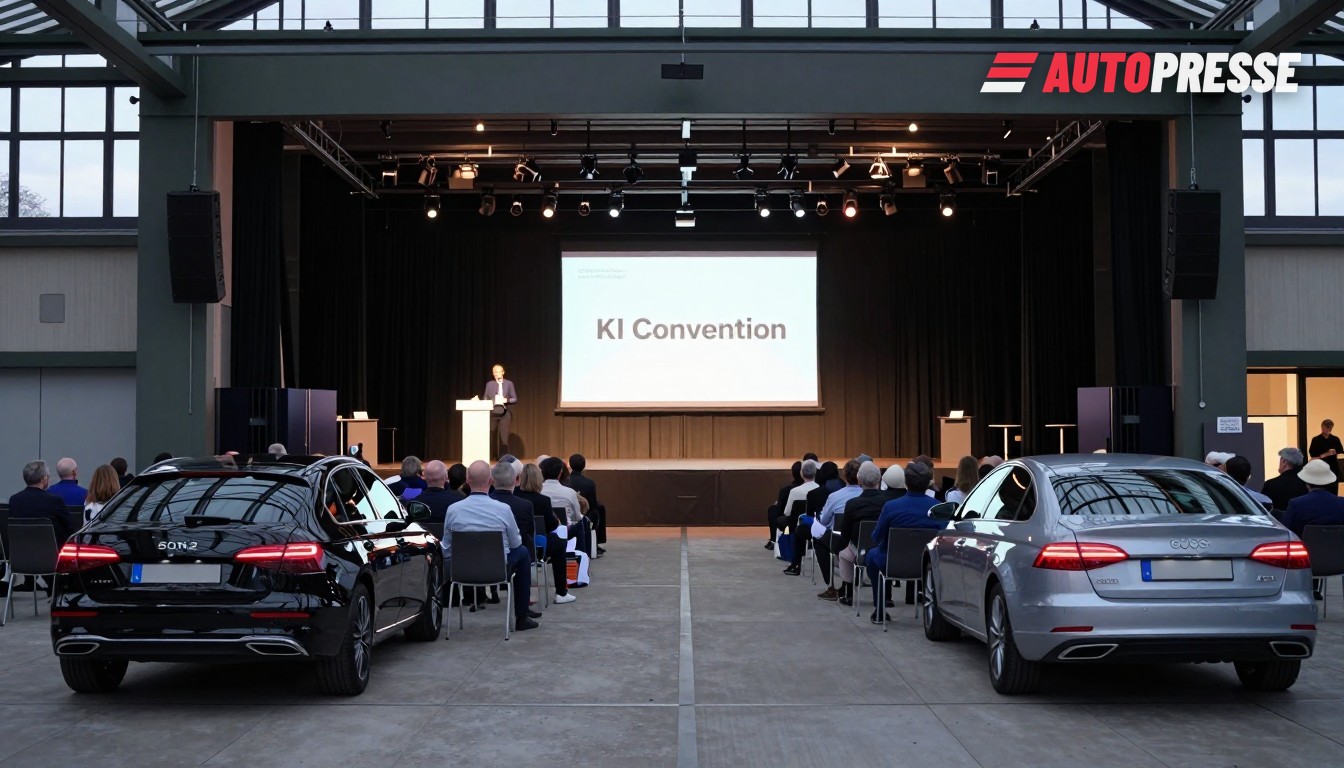
At an industry session around the Electronica show on 10 November, executives said customers building AI datacentres are taking production capacity and components away from the mature semiconductors used in cars and industrial equipment. Nexperia’s interim CEO told Reuters that the firm was “totally oversubscribed” as suppliers prioritise high‑margin AI demand.
Infineon’s CEO, Jochen Hanebeck, and other chip executives framed the shift as part of a wider move from cloud AI into robotics and "physical AI" — chips and systems that must perform reliably in vehicles and factories. Hanebeck said industrial or physical AI is “first of all, a must win for Europe,” highlighting both opportunity and the need for coordinated capacity planning.
Immediate effects on production and supply chains
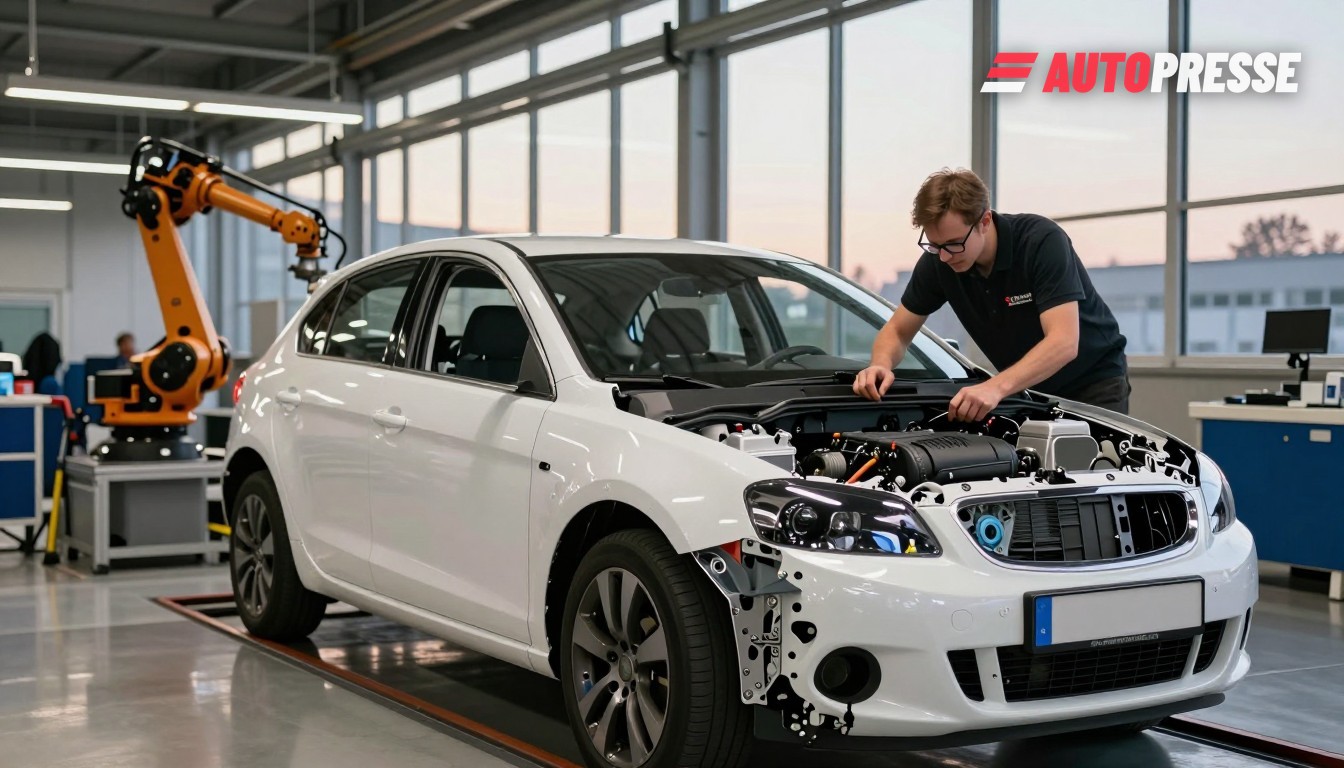
The capacity squeeze is not theoretical. Reuters reported the same day that supply‑chain snags have already disrupted production at several German plants, forcing shift adjustments while manufacturers work with suppliers to stabilise deliveries. That short‑term impact shows how quickly AI market dynamics can ripple into vehicle output.
For suppliers and tier‑1s the problem is twofold: some factories must reallocate wafer capacity to AI memory and accelerator chips, and logistics remain fragile for specialised mature devices. The result can be higher component lead times and upward pressure on prices for the electronic modules that modern cars — from ADAS to infotainment and battery management — rely on.
What this means for the market
Short‑term, OEMs and suppliers will scramble to prioritise chip orders, rework bills of materials and adjust production plans — steps that can translate into cancelled or delayed shifts, slower dealer deliveries and tightened used‑car pipelines. Medium term, Europe’s push to build local capacity for automotive‑grade semiconductors will gain urgency: executives at Electronica argued that Europe can compete in robotics and physical AI, but that requires investment and customer commitments to justify new fabs.
For German and Austrian dealers and workshops this translates into practical tasks: plan for longer delivery and repair lead times, communicate timelines to customers early, and use analytics to prioritise high‑value jobs and stock. Dealers that can quickly reassign incoming inventory and ramp aftersales work will keep customers moving while factories normalise.
WorldTrader24 B2B-Fahrzeugmarkt für Händler →
Sources: Reuters, Infineon