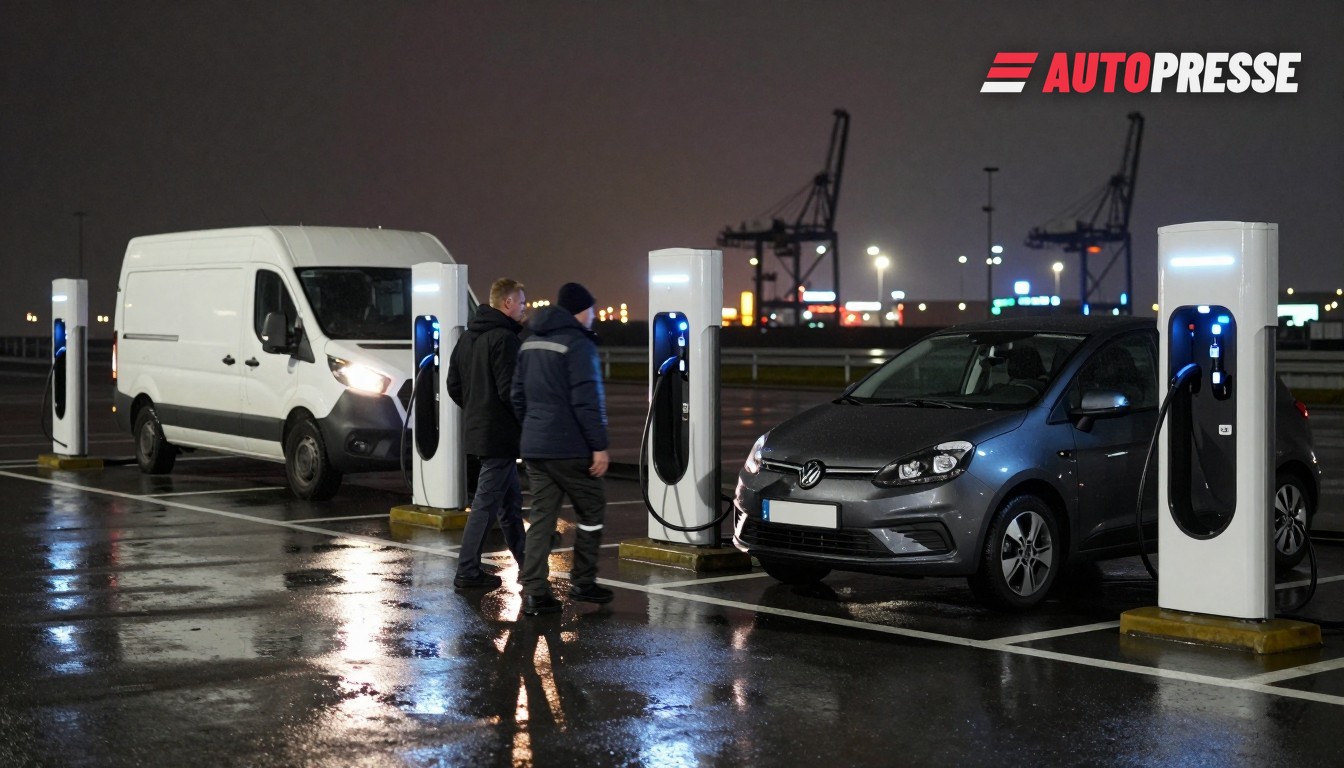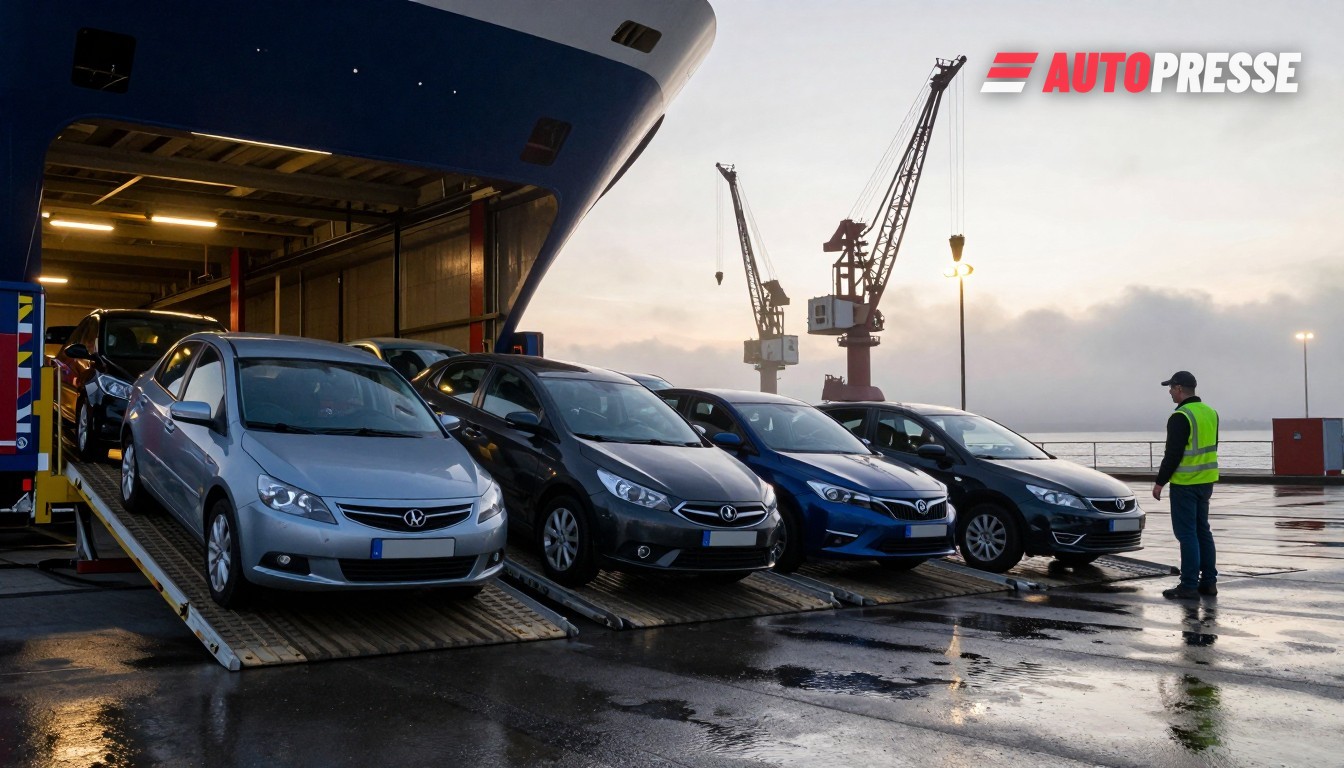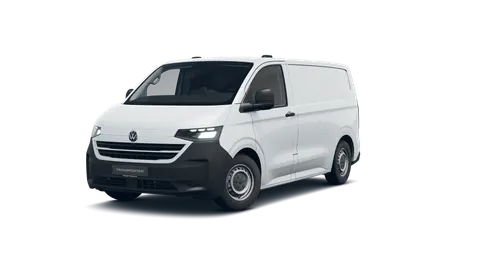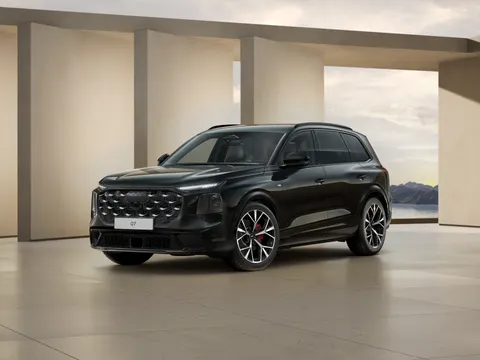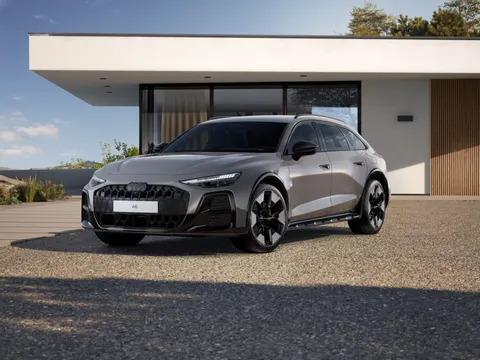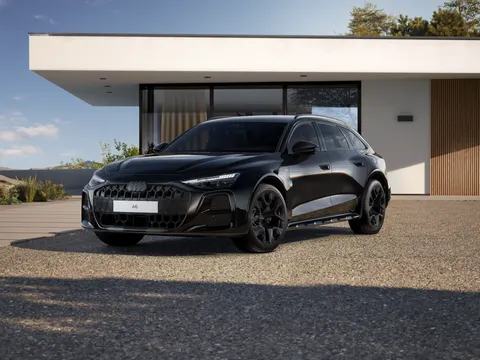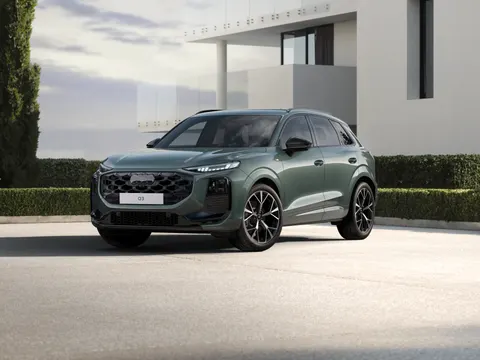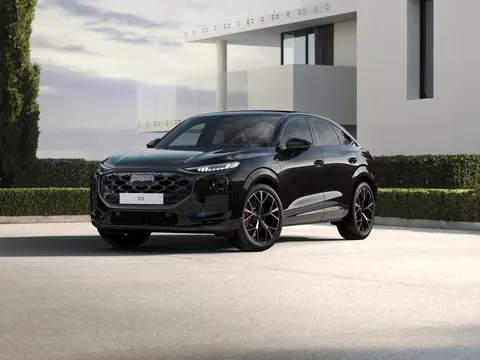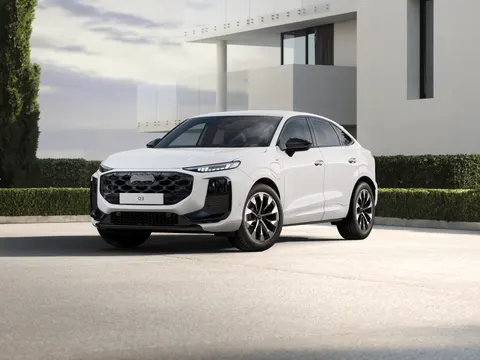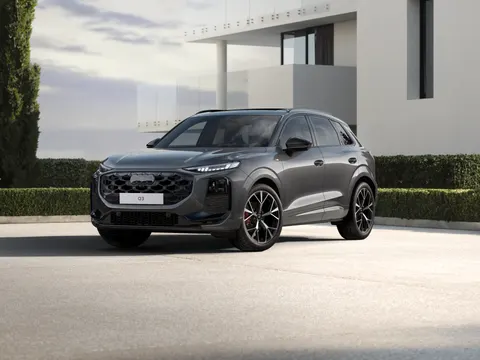
Brussels is no longer only setting tailpipe targets. Two linked files — the Commission’s Industrial Accelerator Act (IAA) and Parliament’s Automotive Package — now insert explicit "Made‑in‑EU" and low‑carbon material incentives into car policy. That matters to drivers, fleet buyers, dealers and thousands of workers in Germany and Austria because public procurement rules, subsidies and compliance maths could start to favour European‑made EVs and steel within months.
What Brussels has proposed
On 4 March 2026 the European Commission published the IAA, a package that would allow Member States and EU buyers to prefer low‑carbon, Europe‑made materials and products in public support and procurement. The Commission’s Automotive Package (COM(2026)100) links this to the CO₂ regulation: it proposes super‑credits for small, EU‑made EVs and allows part of the remaining 2035 compliance gap to be covered by low‑carbon steel produced in the Union. The legal text explicitly points to definitions and verification steps to follow.
European Parliament committee work in October‑November 2026 has pushed those ideas into an actionable position: industry and transport committees backed a compromise that creates super‑crediting for EU‑made small EVs and a capped credit contribution from low‑carbon EU steel (the committee text envisages an 87.5% tailpipe cut plus a limited top‑up from EU steel). The file still needs the lead ENVI committee and Council agreement before becoming law.
How Germany and Austria are positioned
Germany’s carmakers have already framed a "For Europe" industrial narrative: Volkswagen and other OEMs argue that targeted European support and clearer origin rules would help secure jobs while Europe scales batteries and components. Volkswagen’s policy papers call for a realistic, value‑chain view of “Made‑in‑EU” benefits for manufacturing and procurement.
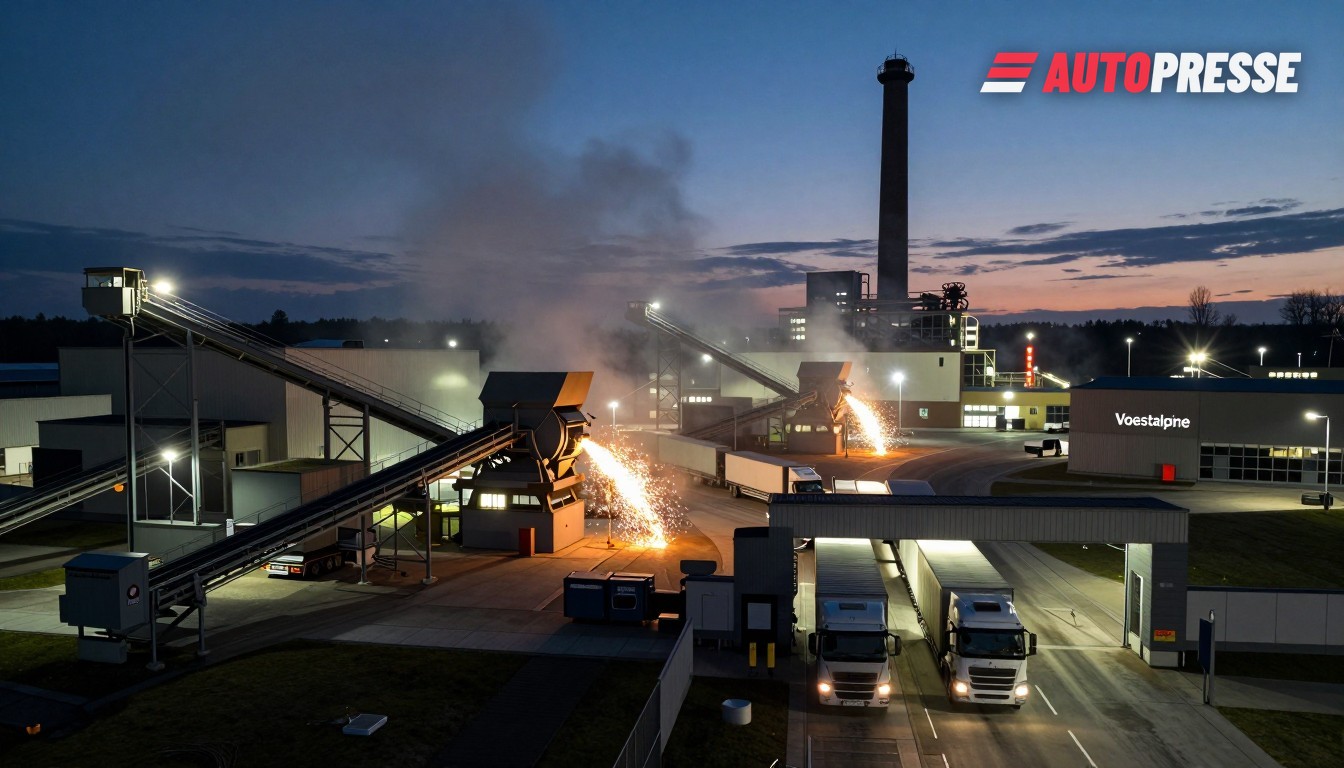
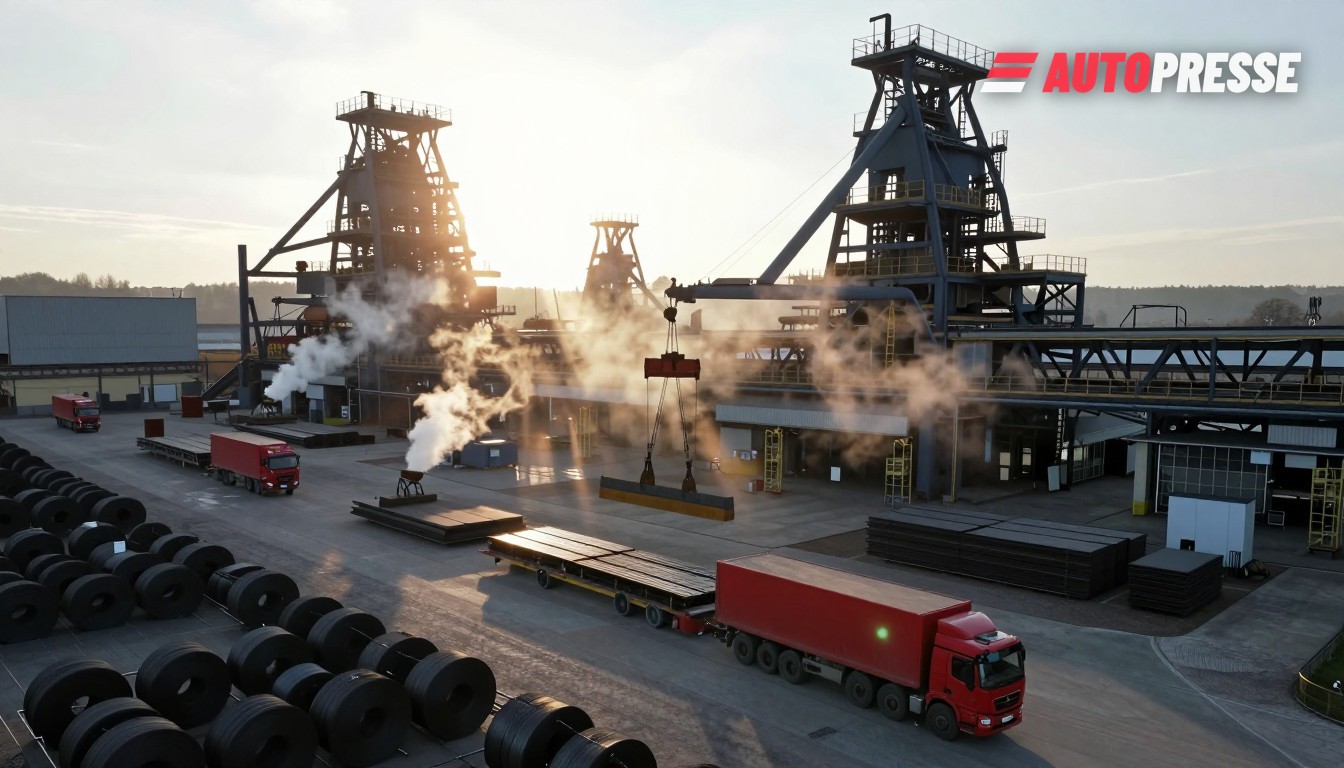
Austrian steel and supplier strengths matter here. Austria’s voestalpine and Central European green‑steel projects give the country leverage: the shift to low‑carbon molten‑steel production (DRI/EAF routes and pilot HPSR plants) is already under way and would make Austrian plants natural suppliers for any EU low‑carbon steel credit scheme. The OECD’s 2026 review also notes Austria’s high charging density and industrial policy push to boost net‑zero technology manufacturing — factors that increase the country’s chance to capture downstream benefits.
What this means for the market
If the IAA and the Automotive Package keep the super‑credit and low‑carbon steel elements, three near‑term effects are likely. First, public procurement and some subsidy lines (notably for corporate fleets) will favour EVs and components that meet "Made‑in‑EU" origin tests — changing demand patterns for OEMs that sell many fleet cars in Germany and Austria. Second, demand for certified low‑carbon steel made in the EU will rise, rewarding decarbonised mills and accelerating green‑steel investment in Austria and Germany. Third, compliance relief from super‑credits could reduce immediate pressure on OEMs to sell every marginal BEV, subtly shifting product‑mix and pricing strategies. These outcomes remain contingent on final legal texts and implementing acts.
For drivers and dealers the changes will be indirect but real: fleet tenders, leasing discounts and company‑car taxation rules may increasingly favour specific models that clear the "Made‑in‑EU" bar. For workers and suppliers, the policy opens a route to new investment — if certification, auditing and origin rules are workable. Industry groups and unions in Germany and Austria have already begun positioning around the detail and timing.
WorldTrader24 B2B vehicle marketplace for dealers and fleets →
Sources: European Commission, EUROFER, Volkswagen, OECD, Charjin