Germany and Austria are accelerating different parts of the same electric transition: Germany is pouring investment into charging and battery research, while Austria is turning fleets and farms into flexible power assets. That split matters for drivers, dealers and grid operators — and for companies hiring engineers and electricians across both countries.
Numbers, networks and research
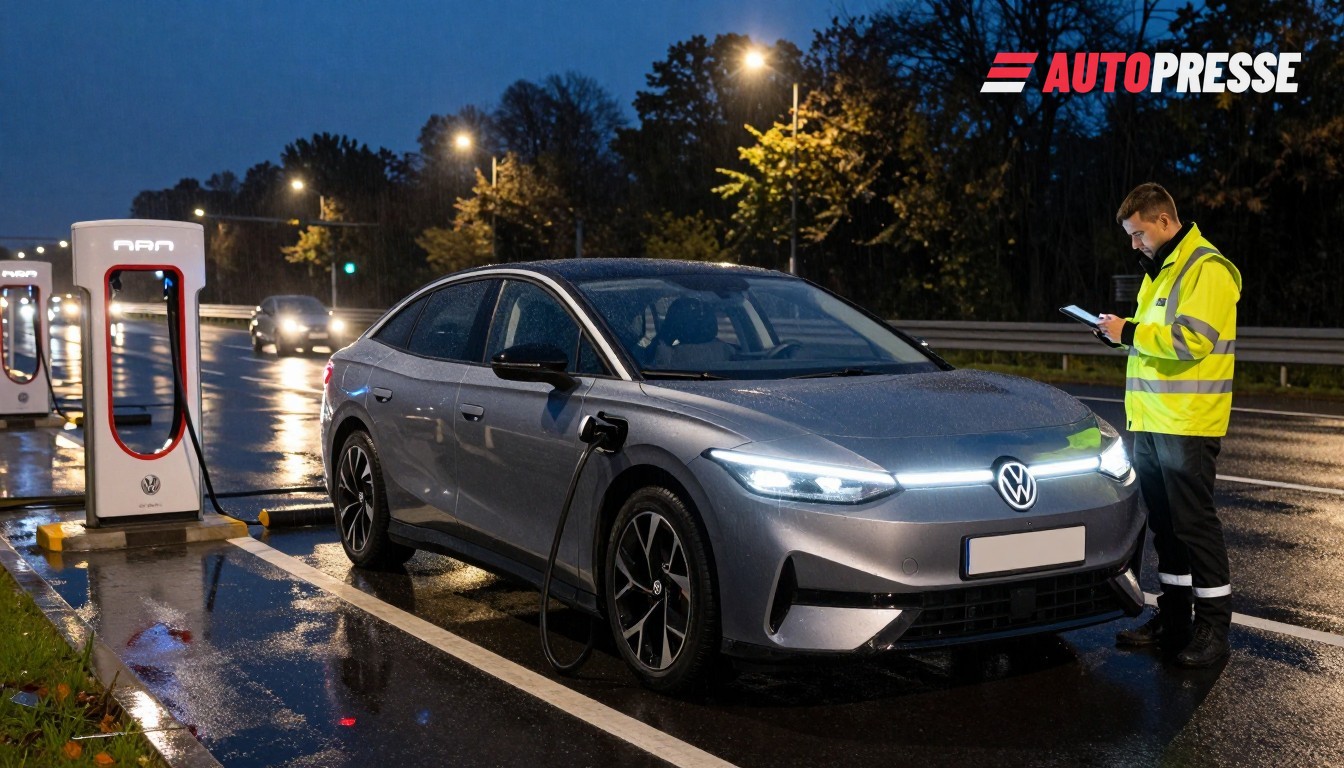
According to the VDA E‑Charging Network Ranking, Germany had 211,025 publicly accessible charging points on July 1, 2026 — including 55,011 fast chargers — while the national EV fleet reached 3,591,910 vehicles on the same date, an average of 17.0 EVs per public charger. The VDA warned that roughly 30% of municipalities with 500+ inhabitants still had no public charging point and 61% had no fast charger, and urged faster roll‑out of the so‑called "Deutschlandnetz.".
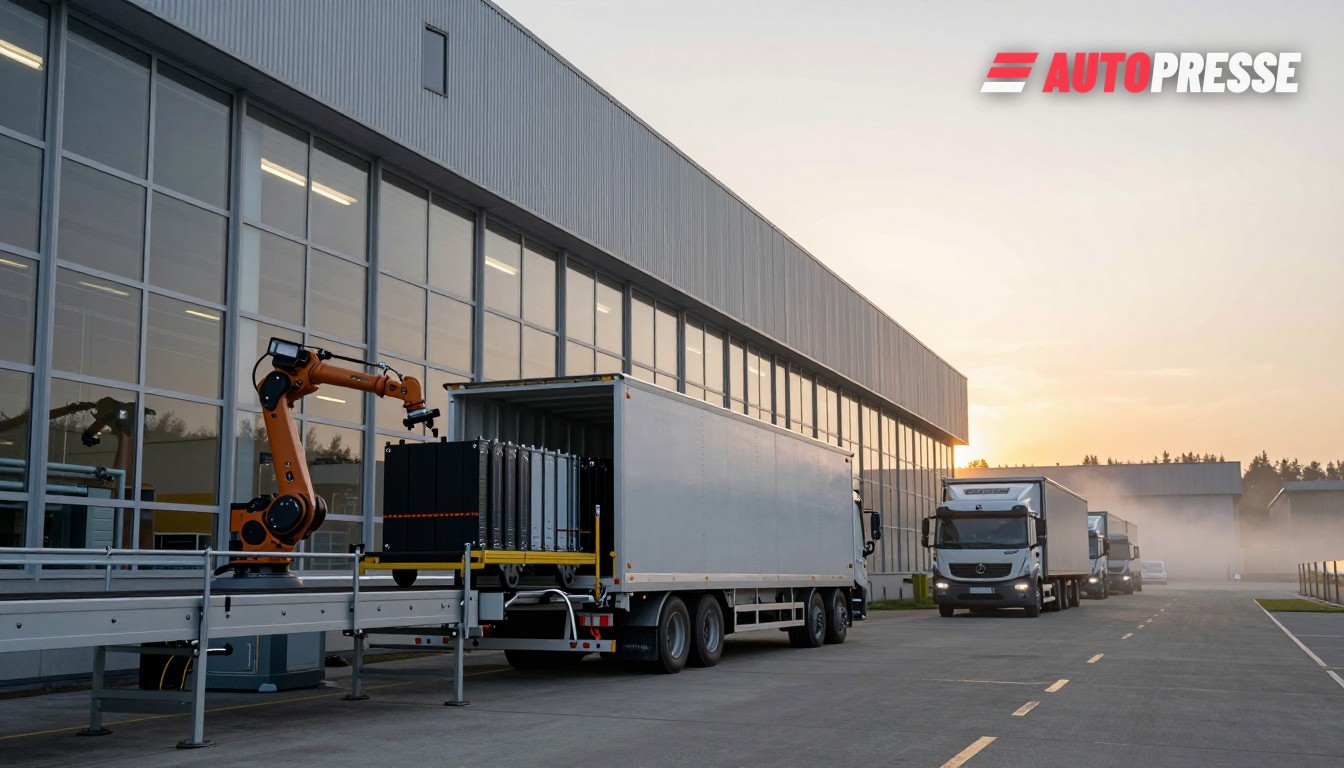
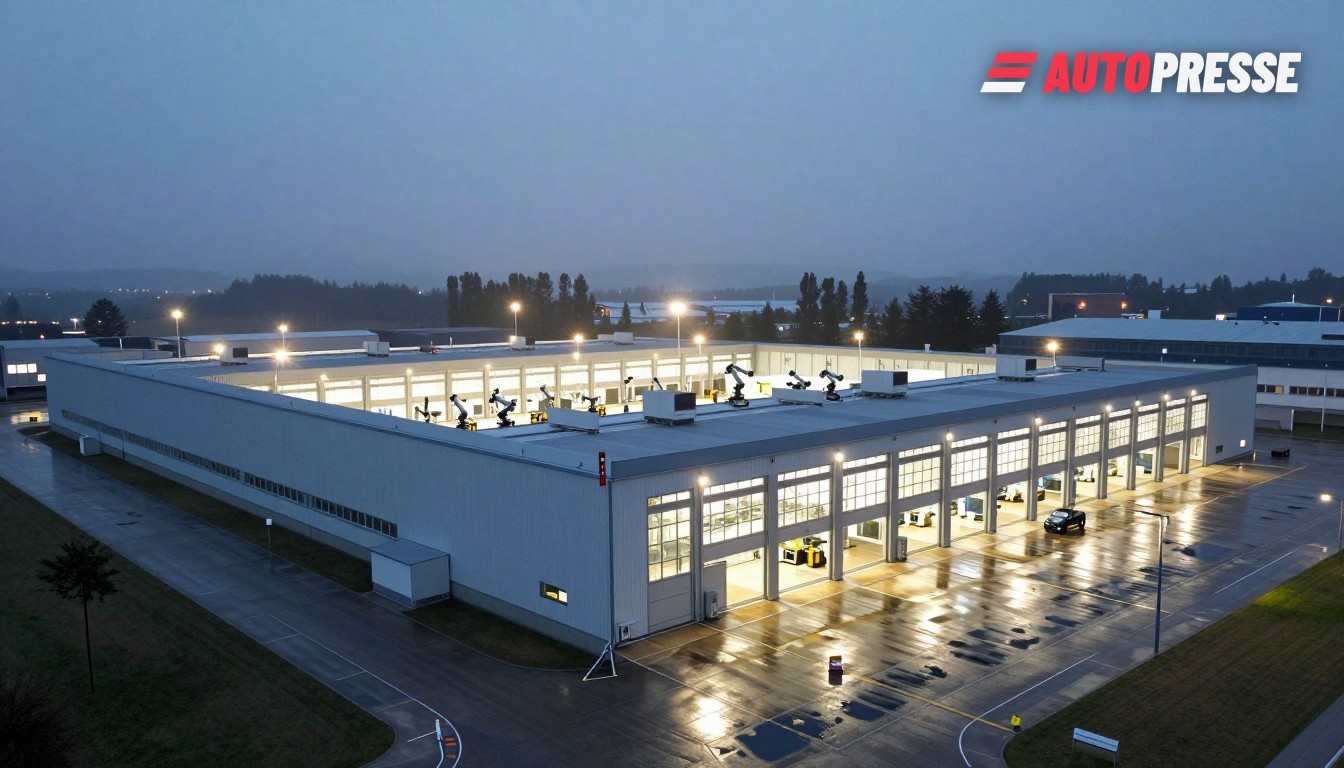
At the same time Germany is investing in domestic battery scale‑up for research and industrialisation. The Fraunhofer Research Institution for Battery Cell Production (FFB) marked a topping‑out for its second construction phase on July 13, 2026, starting work on a so‑called "FFB Fab" that will link laboratory prototypes to gigafactory‑scale pilot lines; federal and North Rhine‑Westphalia funding for the overall project totals roughly €1 billion. Industry and regional policymakers described the site as a national testbed to shorten the path from research to mass production.
Austria: pilots, farms and fleets go bidirectional
Austria’s approach is more experimental and distributed. In March 2026 the Österreichische Post, energy company EVN and Netz Niederösterreich began a V2G pilot in Mautern an der Donau that uses five Maxus vans and on‑site photovoltaics to test feeding stored vehicle energy back to the grid; project partners framed the test as a way to turn the Post’s fleet into a mobile storage pool. Peter Umundum of Österreichische Post called the work “a possible next step” for fleet flexibility.
Rural V2G is also being trialled: the LIP project “Zukunftsladung — E‑Mobility as flexible energy storage in the Waldviertel” kicked off on July 16, 2026 and runs to May 31, 2029. The Sonnenplatz Großschönau‑led scheme will test vehicle‑to‑home and vehicle‑to‑grid uses on farms with PV, aiming to turn EVs into controllable buffers for local energy markets.
That experimental work runs against a background of rising utilisation and low average occupancy in Germany’s public network: the BDEW monitor showed installed public charging capacity in 2026 had exceeded 11 GW but that at most ~13% of public chargers were occupied simultaneously in H1 2026 — evidence both of rapid build‑out and of large regional imbalances in use.
Software, platforms and industrial coordination
Beyond hardware, Germany’s supplier base is pushing the car industry toward software‑defined vehicles (SDVs). ZF and other Tier‑1s introduced new AI‑driven chassis and domain‑controller software in 2026; suppliers and OEMs are working on zonal E/E architectures and common software foundations so vehicles can be updated and managed more like computers. Analysts say pre‑competitive initiatives and larger platform deals aim to avoid duplicated engineering work while enabling OEM differentiation at the application layer.
What this means for the market
For drivers: more public chargers and faster hubs make long trips easier, but rural drivers and small towns still face white‑spot risks. For fleets and depots: Austria’s V2G pilots show how operators can monetise charging assets and stabilise local grids — useful for logistics, postal and agricultural fleets that already run EVs. For dealers, workshops and electricians: battery research sites such as FFB will spawn demand for cell‑level skills, testing rigs and safety training; software‑defined vehicles require new service processes and OTA‑competent diagnostics. For policymakers: the gap between national targets and local availability underscores the need for planning speed and grid upgrades if large‑scale V2G and high‑power charging are to scale reliably.
Electric vehicle listings on WorldTrader24 →
Sources: Fraunhofer FFB, VDA, BDEW, EVN / Österreichische Post, ZF