Germany and Austria’s logistics system is under simultaneous pressure from nature, geopolitics and labour — and this November those forces are producing concrete shifts for ports, rail and road that matter to drivers, dealers and fleet operators.
Bremerhaven goes dual‑use and rail gets money in Austria
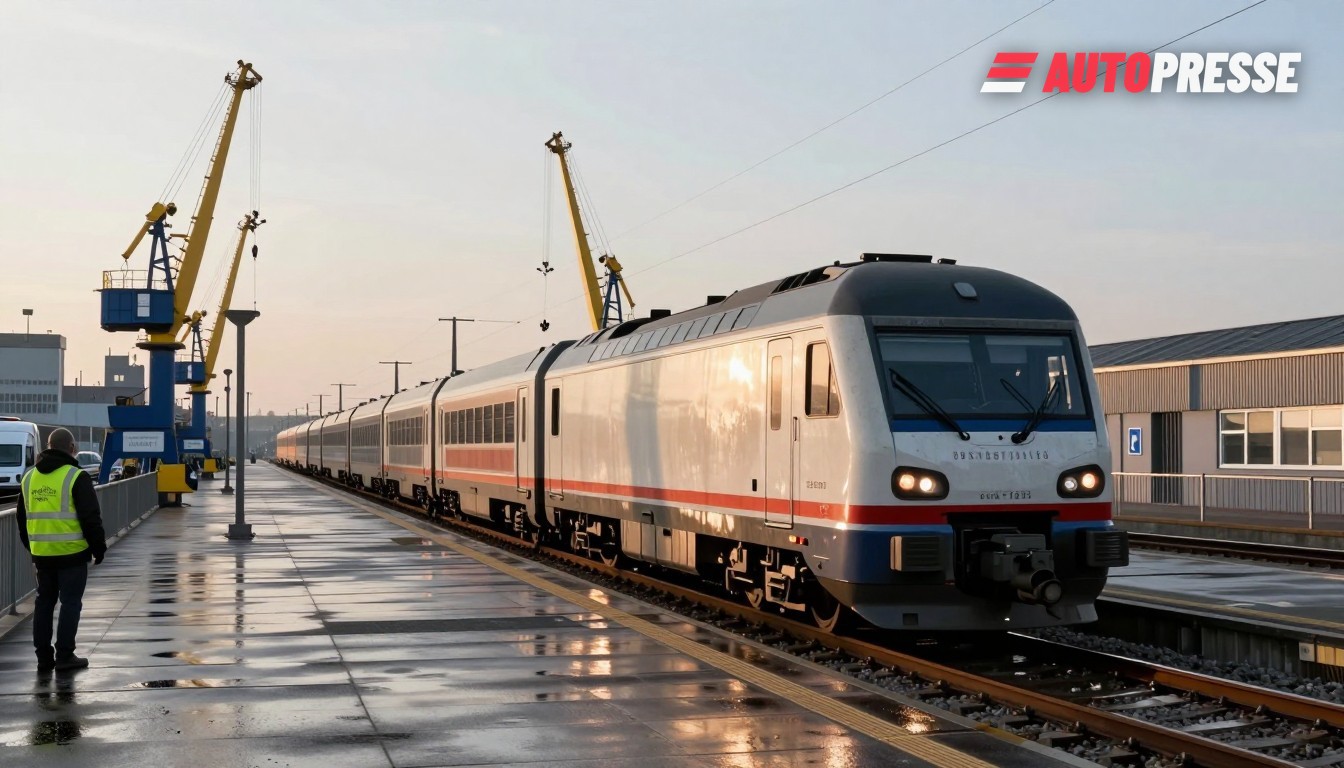
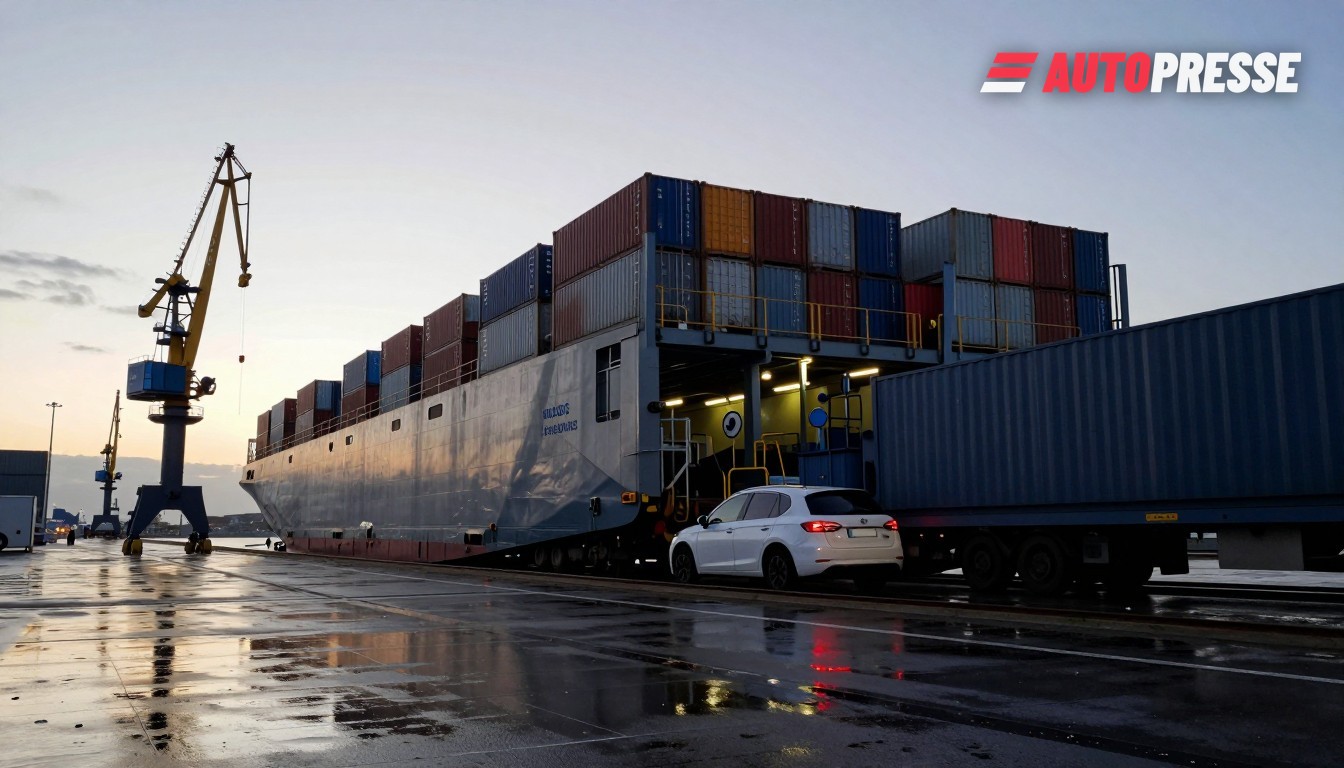
On 3 November 2026 Bremen and the federal government signed the contracts to start the "Deployment Hub Bremerhaven 2031" — a package of civil‑military upgrades worth around €1.35 billion that will rebuild quays, expand the Kaiserhafen and upgrade the Speckenbüttel rail terminal, with completion aimed by the end of 2031. Bremenports and the Bundesamt für Infrastruktur, Umweltschutz und Dienstleistungen der Bundeswehr (BAIUDBw) described the project as dual‑use: strengthening NATO and Bundeswehr logistics while simultaneously raising civilian port and hinterland capacity. "Die Investitionen geben uns die Chance, die Häfen resilienter aufzustellen," bremenports CEO Robert Howe said at the signing.
Across the border Austria is pouring money into rail. A federal mobility package announced in March 2026 commits roughly €1.085 billion to Vorarlberg up to 2031, with ÖBB and ASFINAG investing in container terminals, line modernisation and increased freight capacity — measures explicitly aimed at shifting freight from road to rail and easing cross‑border flow through the Alps. ÖBB told ministers the Wolfurt Container Cargo Terminal will see remote‑controlled crane technology and a capacity increase of 76% in the final expansion.
River drought forces modal scramble
At the same time, Europe’s worst summer droughts have pushed the Rhine to historically low depths, splitting the waterway and making laden cargo navigation impossible at points such as Kaub where depth fell to roughly one metre. Industry groups and shipmasters warned that key inland routes are intermittently unnavigable, forcing freight to reroute by road or to smaller vessels and raising costs for chemical, steel and vehicle supply chains. "Most German ship captains say, that's too shallow, I'm not sailing there anymore," Matthias Roeser of the German Inland Shipping Association told AFP. The shortages of draft capacity have already prompted temporary extensions to truck driving on Sundays and public holidays to keep goods moving.
That combination — constrained river capacity, new port infrastructure and Austrian rail upgrades — is actively reshaping how carmakers, importers and logistics providers route vehicles and parts between northern ports and Alpine markets. Bremerhaven’s upgraded quays and rail yard are explicitly designed to speed roll‑on/roll‑off and intermodal handling, a direct response to volatility on waterways and the need for more resilient hinterland links.
What this means for the market
Short term, expect higher spot freight rates where Rhine bottlenecks force road substitution; fleet managers and remarketers may see transit times and cost volatility for imports into southern Germany and Austria. Medium term, public investment — Bremerhaven’s €1.35bn project and Austria’s €1.085bn Vorarlberg package — will increase intermodal capacity and nudge freight back towards rail and larger, more climate‑resilient port operations. Statistics Austria reports rail freight in Austria rose 1.8% in 2025 to 96.2 million tonnes, showing recent gains but also room to absorb diverted traffic.
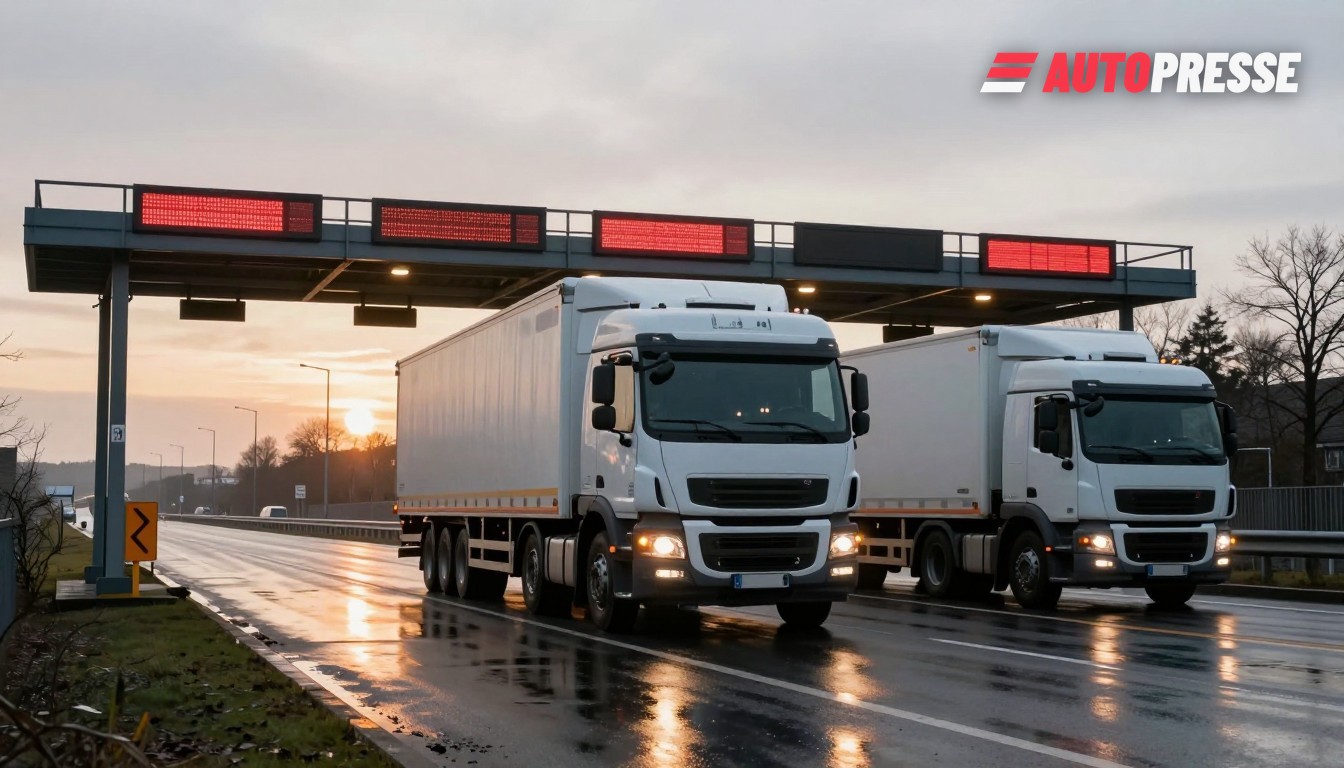
Labour is the wild card. Berlin’s May 27, 2026 cabinet amendment to driver‑qualification rules — shortening the practical test from 210 to 120 minutes, allowing the accelerated theoretical exam in eight foreign languages and recognising certain third‑country licences (including Ukraine and Montenegro) for streamlined conversion — aims to bring drivers into the market faster; the government said the rule package is planned to come into force before the end of 2026. If implemented, the measures should relieve immediate capacity problems on roads while long‑term modal shifts take shape. "Wir bringen Berufskraftfahrer schneller in den Job," Transport Minister Patrick Schnieder stated.
In practice logistics planners, fleet procurement teams and dealers should model two scenarios: near‑term higher road freight costs and delay risk from river lows, and a medium‑term rebalancing where ports and rail infrastructure absorb more volume. That will affect inventory buffers, transport procurement and where manufacturers locate distribution hubs.
B2B vehicle listings on WorldTrader24 →
Sources: bremenports, The Local/AFP, Statistics Austria, BMV (Bundesministerium für Verkehr), BMIMI (Austria)