Germany and Austria are shifting from rhetoric to heavy industry: BMW will manufacture inverter power‑modules in Steyr as part of a >€100 million investment through 2029, while Austria’s RAG and ANDRITZ are turning Gampern into the country’s largest green‑hydrogen site (15 MW) by end‑2026. At the same time Germany already hosts gigawatt‑scale electrolyser manufacturing — signalling parallel industrialisation of EV power‑electronics, hydrogen and storage across the DACH region. These moves matter for drivers, dealerships and suppliers because they reshape local jobs, parts sourcing and the technologies inside BEVs, fleets and charging networks.
BMW brings inverter power‑modules to Steyr
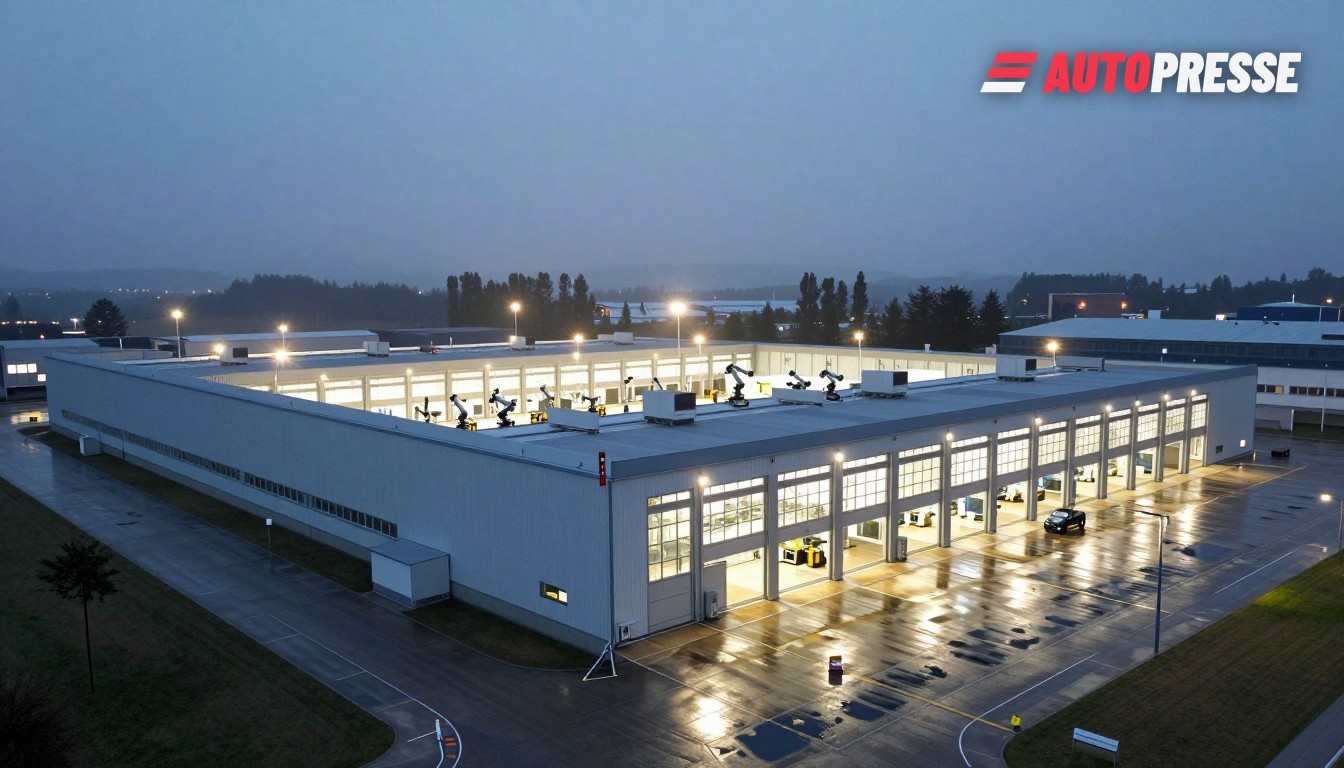
On 13 October 2026 BMW confirmed it will invest more than €100 million at its Steyr plant to add a high‑tech production line for inverter power‑modules and related process improvements, with assembly due to begin in summer 2029. The company says the move brings the ‘‘heart of the inverter’’ into Steyr’s existing e‑drive production and reduces external supply‑chain dependencies for Gen6 motors used in the Neue Klasse and new BMW i3. The announcement is presented in BMW Group press materials and Austrian investment releases.
Hydrogen and electrolysers scale in Germany and Austria
Industrial hydrogen kit and projects are accelerating on both sides of the border. ANDRITZ opened a 1 GW‑capacity electrolyser gigafactory in Erfurt in June 2025 (initial capacity ≈1 GW, ~160–200 electrolyser units/year), supplying large industrial projects in Germany and Europe.
In Austria, RAG Austria AG and ANDRITZ broke ground in July 2026 to expand the Gampern electrolysis plant from 2.5 MW to 15 MW; commissioning is scheduled for the end of 2026. RAG estimates the expanded Gampern plant will produce about 17 million m³ (more than 1,500 tonnes) of green hydrogen annually when it comes online. The project is privately funded and is described by RAG and ANDRITZ as Austria’s largest green‑hydrogen production site on commissioning.
Those industrial builds are not only about hydrogen for steel or industrial users: larger electrolyser and storage capacity enables hydrogen‑based seasonal storage and new options for heavy commercial transport, industrial heat and synthetic fuels — all technologies that intersect with the EV transition and with grid flexibility planning.
What this means for the market
First, production of inverter power‑modules at Steyr helps insulate European EV manufacturing against global semiconductor and module shortages by localising a high‑value, high‑technology component — that strengthens supplier networks in Austria and neighbouring Germany and supports high‑skill jobs in Upper Austria.
Second, ANDRITZ’s Erfurt gigafactory plus the Gampern expansion show Europe is building manufacturing capacity for both electrolysers and second‑life/energy‑storage systems; that will accelerate industrial hydrogen availability and increase demand for battery‑to‑grid and grid‑scale BESS solutions. Energy Storage Europe and industry groups are already pressing for clearer EU rules on second‑life batteries and minimum performance/safety values under the Batteries Regulation — a regulatory context companies must factor into reuse and storage projects.
Third, the twin trends — deeper local power‑electronics production and larger hydrogen/electrolyser capacity — broaden the technology mix suppliers must master. Automotive suppliers in Germany and Austria will need multi‑disciplinary skills: power‑electronics, thermal management, and integration with battery‑systems and hydrogen projects. That creates new commercial opportunities for plant‑engineers, testing houses and specialised electronics firms while raising the bar for apprenticeships and retraining.
Taken together, these verified industrial projects show the EV transition in Germany and Austria is becoming an industrial transformation: not only more BEVs on roads, but new factories, new skillsets and new links between batteries, power‑electronics and green hydrogen.
Electric car listings on WorldTrader24 →
Sources: BMW Group press office, ANDRITZ, RAG Austria AG, Energy Storage Europe