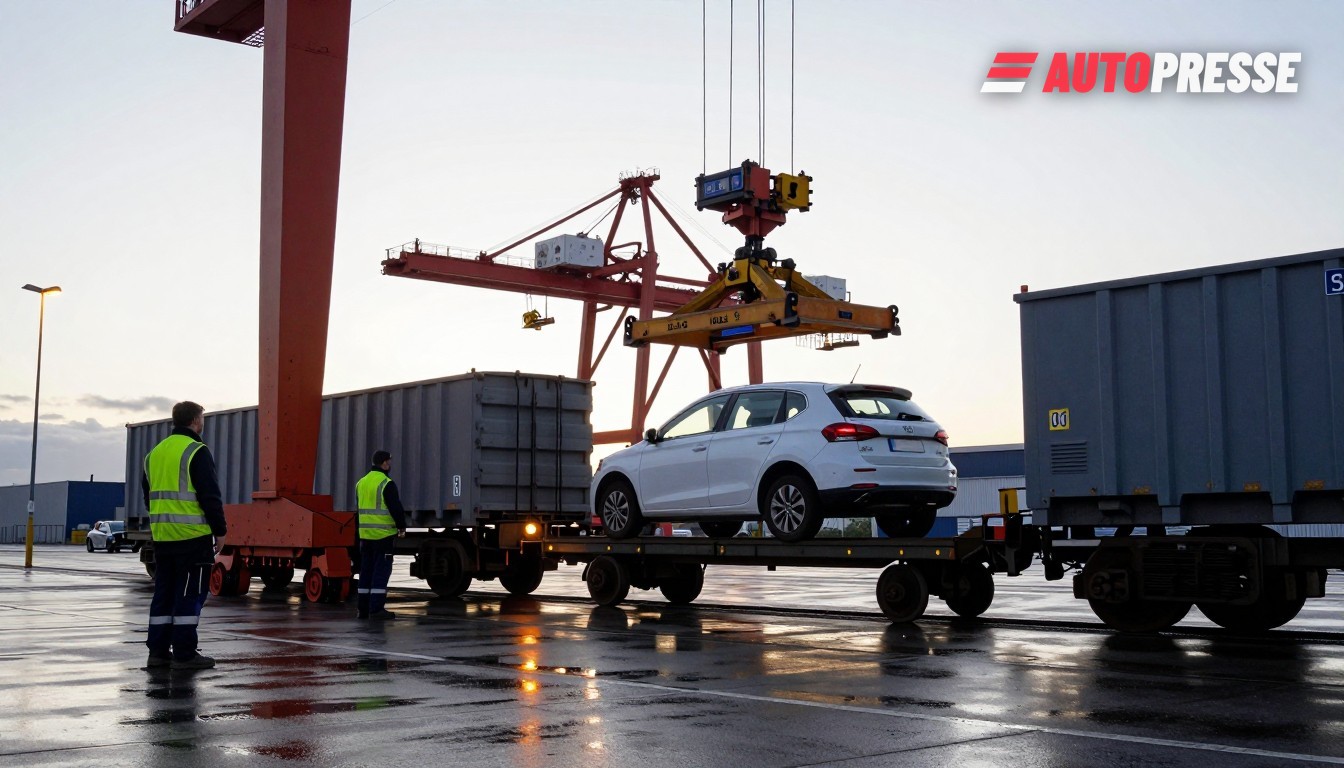
Germany’s leading port operators and logistics firms are investing heavily to steady car and parts flows, while Austria is moving to electrify heavy freight. The changes matter to German and Austrian dealers, OEM suppliers and fleet operators because they shorten lead times, cut emissions and shift where investment — in terminals, chargers and drivers — must be made.
Ports spend to lift capacity and resilience
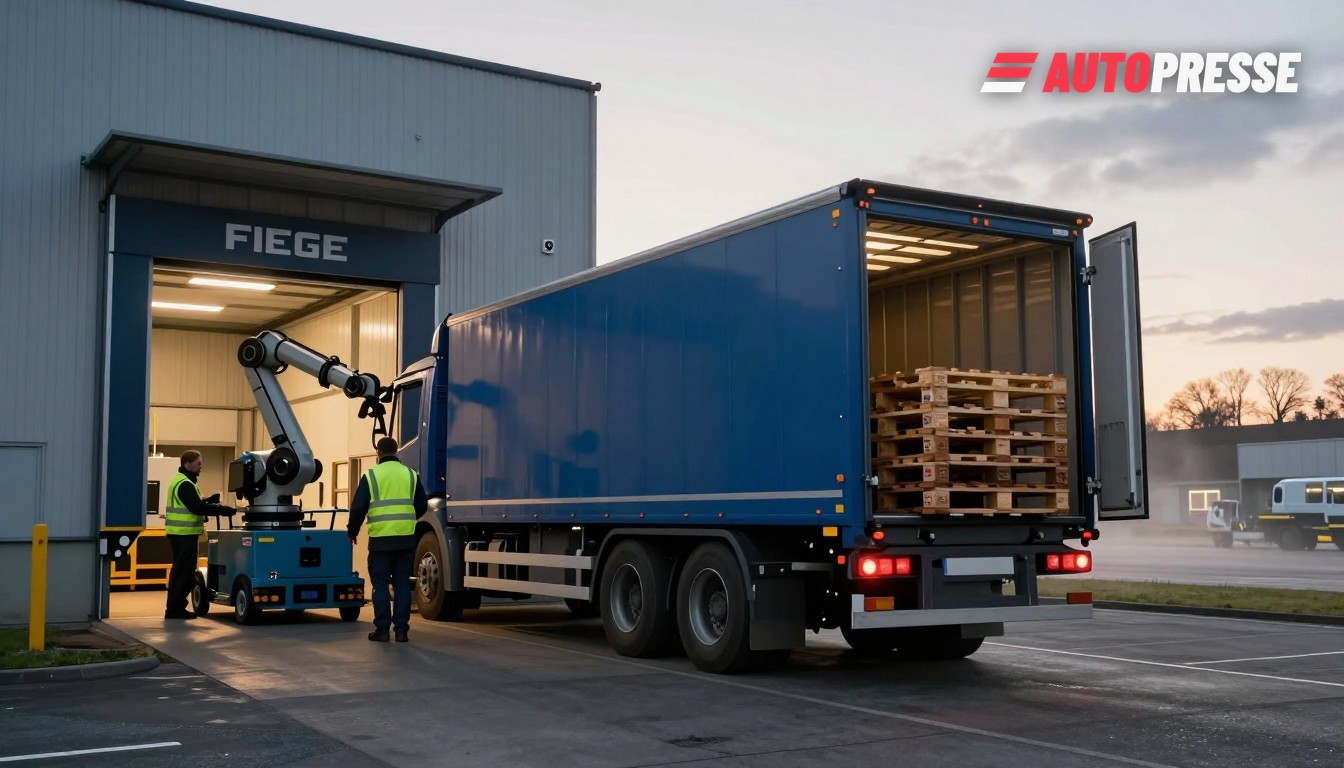
BLG Logistics laid the foundation stone for a new multifunctional hall at its Autoterminal Hamburg on 18 September 2026 — a project the company says represents roughly €25 million of investment and will create a 10,300 m² hall with workshop, paint and charging infrastructure, due for completion in September 2027. The terminal handled about 130,000 vehicles in the prior year, BLG adds.
In Bremerhaven the federal government and local authorities launched the "Deployment Hub Bremerhaven 2031" programme on 3 November 2026 with signed agreements to implement a package of port and hinterland works. The official press release sets the project volume at about €1.35 billion and says contracts were signed after a Letter of Intent that ministers and city officials agreed at the end of September 2026. BLG is named as the local operations partner for parts of the programme.
Those local moves sit beside wider capacity spending: BLG’s 2025/26 planning documents say the group intends around EUR 285.9 million of capital expenditure for expansion, replacement and process optimisation in 2026 (excluding certain container division right‑of‑use items), with targeted investments for decarbonisation and renewable power at Bremerhaven among the largest items.
Smaller and specialist logistics providers are following suit: Alexander Global Logistics opened a new state‑of‑the‑art hub in Bremerhaven in August/September 2026 after a roughly €20 million build, adding 20,000 m² of warehouse space and a 13,000 m² heavy‑duty yard to support integrated port‑to‑warehouse flows.
Austria: fast electrification of heavy freight
Austrian logistics firms and the federal mobility ministry are tackling emissions and supply‑chain resilience from the other end. Quehenberger Logistics announced on 5 November 2026 it will expand its Austrian battery‑electric truck fleet from 13 to 24 vehicles by the end of 2026 and plans a further 50 e‑trucks through 2028 — aiming for an electric share of roughly 60% of its Austrian owned fleet by 2027. The company says it will also expand on‑site charging capacity and prioritise urban and predictable routes for the vehicles.
The federal eMOVE Austria programme recorded a milestone on 14 July 2026: the ministry reported that, by June 2026, Austria had approved a cumulative total of 1,000 heavy electric trucks (vehicle classes N2/N3 and articulated rigs), up from 705 at the end of 2025 — a jump the ministry frames as evidence that electric heavy freight is now operationally viable for many use cases.
What this means for the market
The twin dynamics — port-capacity investments in Germany and a rapid rollout of electric commercial fleets in Austria — will shorten and decarbonise parts of the European car supply chain, but they also create near‑term pinch points. Terminals need skilled labour, planning approvals and grid upgrades; e‑truck fleets need high‑power charging at depots and predictable route profiles to be economic. Hamburg’s business lobby warned on 6 November 2026 that Germany’s seaports need a financing boost and faster project delivery to avoid new bottlenecks, and the Bremerhaven programme makes that call concrete with a €1.35bn timetable to 2031.
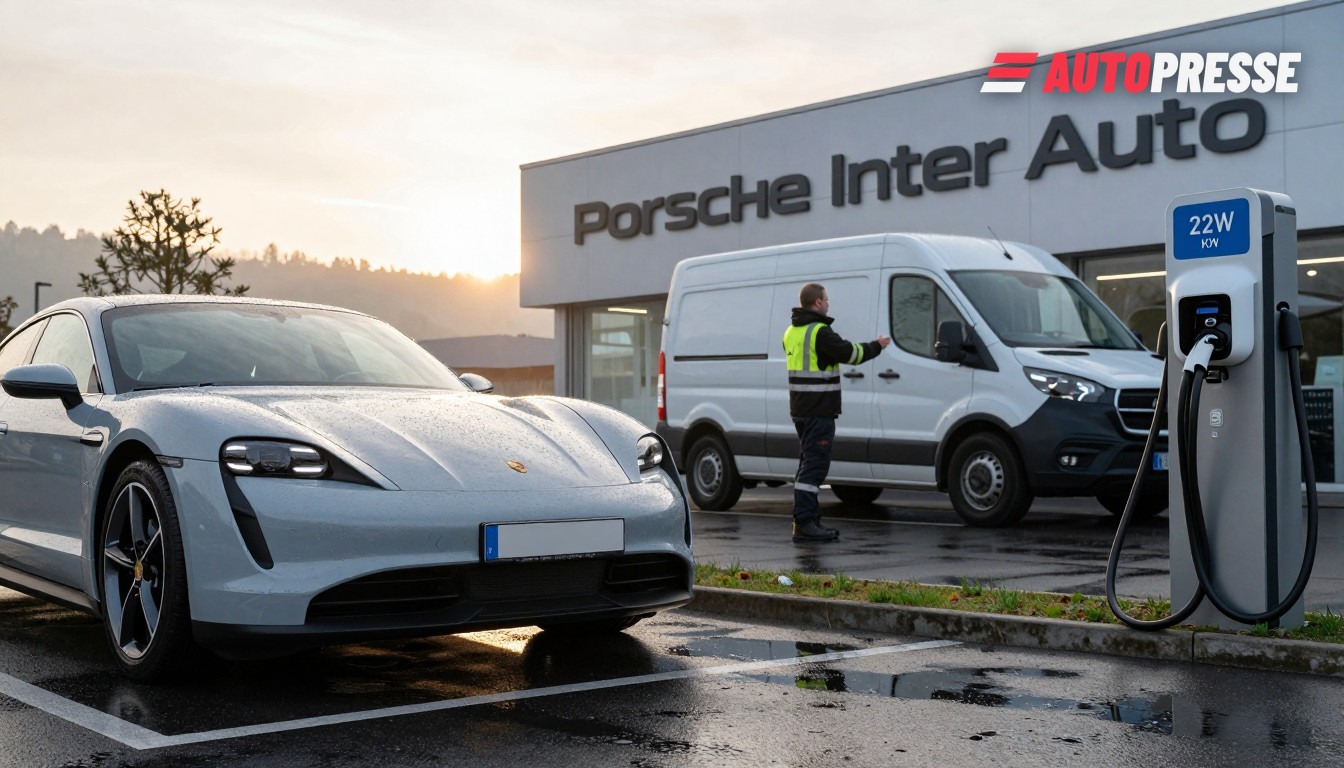
For dealers and OEMs this means marginally faster rotation of imported stock where upgraded terminals and nearby hubs are online, but also higher capex expectations for local preparation centres and depot charging. For logistics employers, the focus shifts to retraining and recruiting technicians for terminal automation and e‑truck operations — a key policy aim in Austria’s logistics hub strategy published on 12 June 2026.
Electric vehicle listings on WorldTrader24 →
Sources: BLG Logistics, bremenports, Quehenberger Logistics, BMIMI, Alexander Global Logistics, Handelskammer Hamburg, NDR