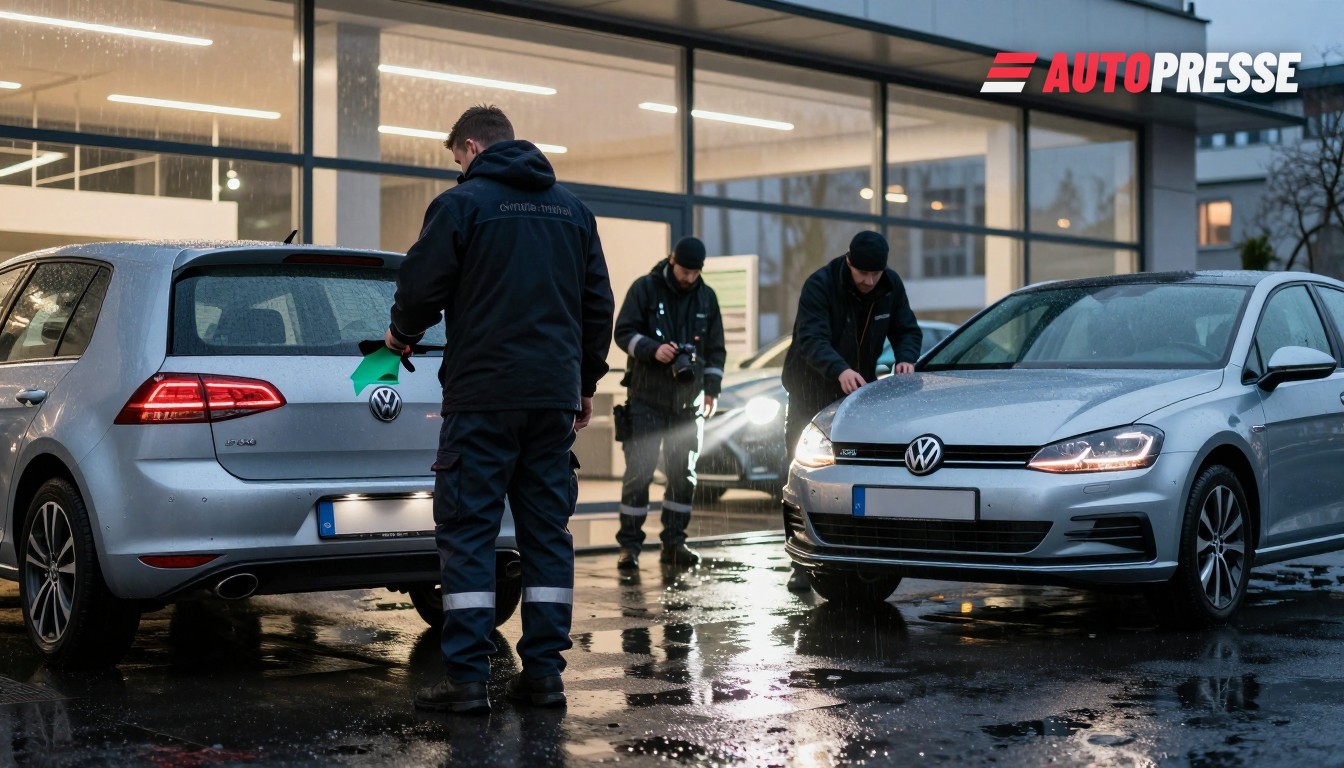
Germany and Austria have tightened the rules on environmental advertising that directly affect carmakers, dealerships and fleets: a revamped German UWG (the “Drittes Gesetz zur Änderung des UWG”) and Austria’s UWG amendment (BGBl. I Nr. 58/2026) bring strict limits on vague “green” claims and set a firm 27 September 2026 cut‑off for what marketers may say. The change matters for buyers, company‑car tax teams, dealer marketing and OEM brand managers who have used words such as “eco”, “sustainable” or “climate‑neutral” in vehicle ads or brochures.
What the laws do — definitions and the new perimeter
Both countries now adopt the EmpCo objectives in national law: an “Umweltaussage” (environmental claim) is explicitly defined and, if not tied to an accepted ecolabel or clearly substantiated on the same medium, may be treated as an unlawful advertising practice. Germany’s UWG amendment was passed in February 2026 and most provisions became applicable from 27 September 2026; Austria’s BGBl. I Nr. 58/2026 likewise updated the UWG with the same effective date. Regulators and courts will judge claims by whether they are precise, verifiable and based on recognised standards (for example EU Ecolabel or national labels such as the Blue Angel).
What the rules ban
The practical prohibition covers six core cases that are now per se unlawful when addressed to consumers — including undisclosed general statements such as “environmentally friendly”, and claims that a product is “CO2‑neutral” when that assertion rests on carbon offsetting rather than verified emission reductions. Austria’s update and German guidance make explicit that broad, unproven claims, green imagery that implies environmental superiority, and self‑created “sustainability” badges without independent accreditation are at risk of enforcement. The authorities advise companies to link any environmental claim to objective, public and verifiable evidence or to an established label.
What this means for the market
For OEMs and dealers — from Volkswagen, BMW and Mercedes to Audi and local franchised groups — the immediate task is a marketing audit. Ads, vehicle spec sheets, showroom copy, online listings and social posts must either remove vague environmental language or add clear substantiation and links to evidence. Trade bodies and chambers are already issuing checklists for product descriptions and point‑of‑sale material. Small dealers and remarketers face particular exposure because packaging, labels or even a green logo next to a model name can now be interpreted as a claim. Businesses should also expect consumer associations and competitors to bring cases under the UWG; the change converts many previously arguable statements into per se prohibited forms of advertising.
Implementation is immediate: companies that advertised cars as “climate‑neutral” on the basis of offsets must act now; the law provides no blanket sell‑through grace for consumer‑facing claims made after 27 September 2026. Legal services and compliance teams should prioritise documentation of any environmental assertions and seek recognised third‑party verification where possible.
B2B vehicle marketplace for dealers on WorldTrader24 →
Sources: Umweltbundesamt, RIS Austria