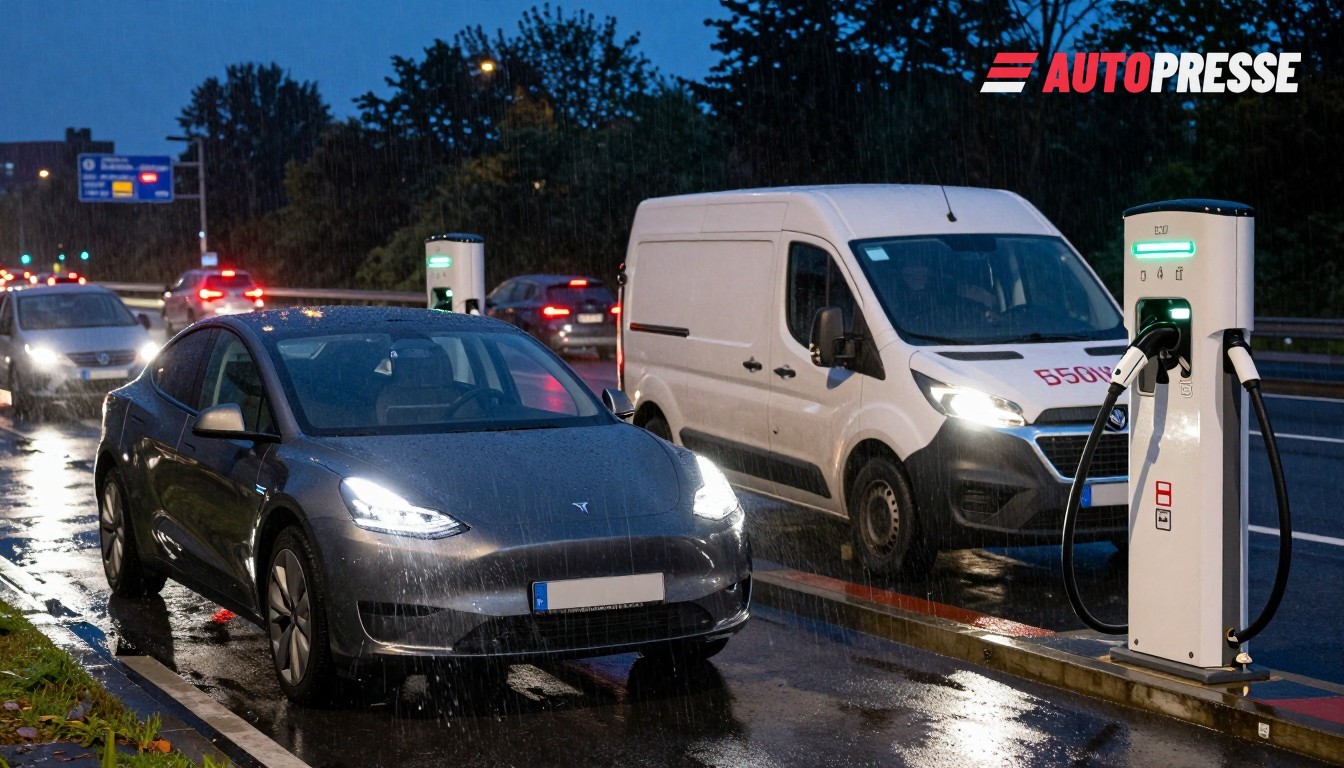
Germany and Austria are racing to keep EV growth from running into infrastructure limits. Manufacturers and policymakers point to strong demand — new BEV registrations in Germany rose 53% year‑to‑date to 515,500 units in the first eight months of 2026 — even as public charging density lags in many towns. That mix is reshaping dealer offers, fleet planning and grid upgrades across both countries.
Where the numbers stand
On 1 July 2026 the VDA counted 211,025 publicly accessible charging points in Germany, of which 55,011 were classified as fast chargers; the association used KBA figures showing 3.59 million electric passenger cars on the road as of the same date. The VDA also reported 714,859 newly registered electric passenger cars between 1 July 2025 and 1 July 2026, underscoring the pace of vehicle growth.
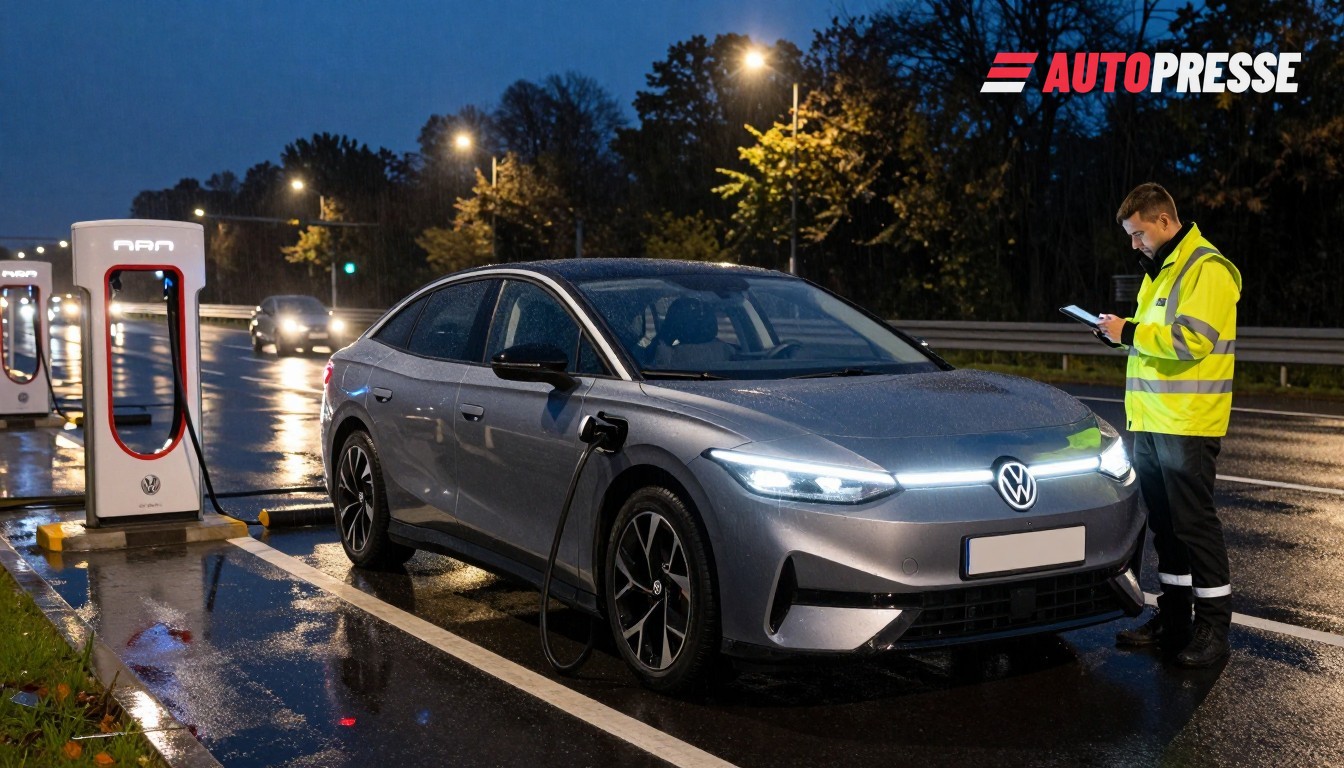
Germany's grid regulator gives a slightly different snapshot later in the year: the Bundesnetzagentur reported 157,762 normal charging points and 56,572 fast charging points in operation on 1 September 2026, with a combined simultaneous power capability of about 9.38 GW. Those capacity figures matter as operators add more high‑power stations that draw heavy grid loads.
Across the border, Austria has expanded high‑power charging rapidly: eMove Austria reports that installed HPC power rose from about 558 MW to 1,185 MW within 12 months, and Austria now lists roughly 35,000 public charge points (data status: start of 2026). Meanwhile Statistics Austria shows BEV registrations growing strongly — 40,060 BEV new‑registrations in January–June 2026, up 27.0% versus the same period in 2025. “The upward trend in new car registrations has now continued for a full year and gained further momentum in June 2026,” Statistics Austria noted.
Infrastructure growth — concentrated and uneven
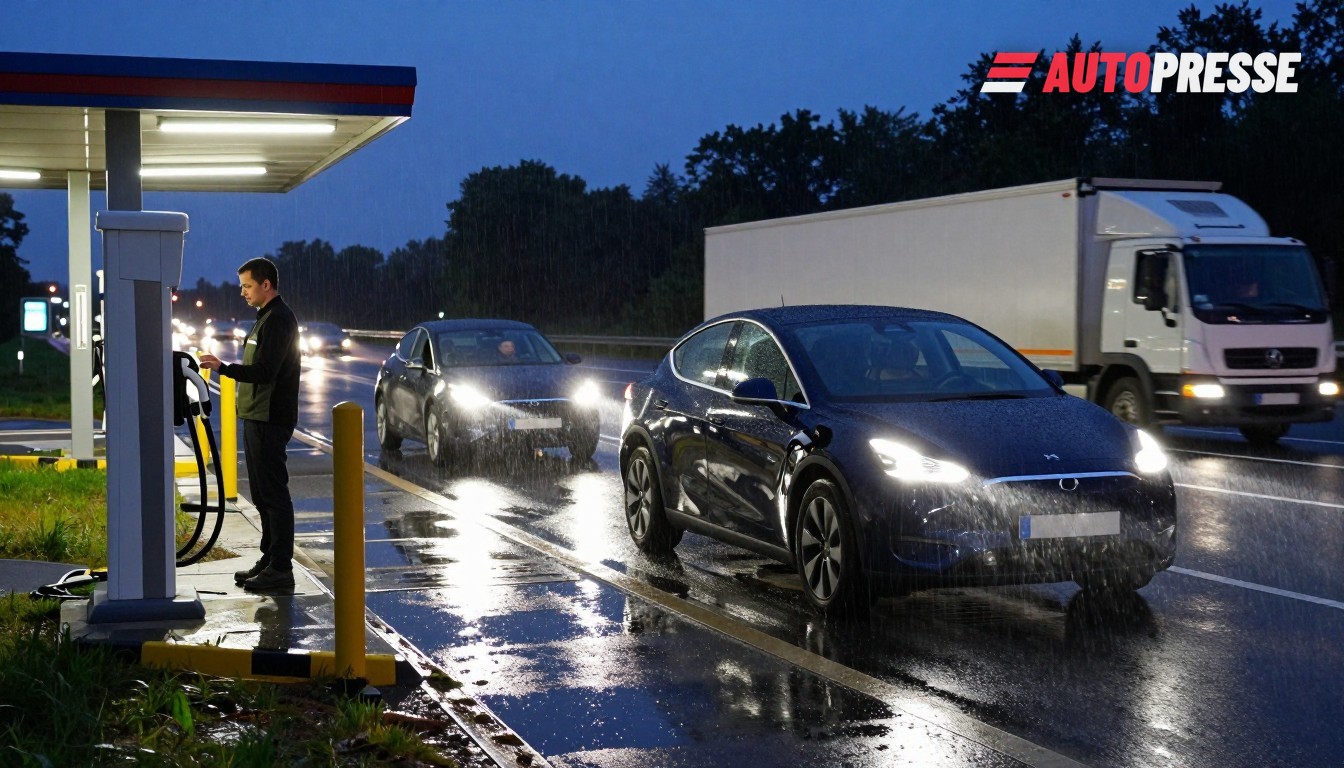
The VDA’s analysis highlights a clear pattern: total charger numbers have risen, but distribution is uneven. As of 1 July 2026 about 30% of German municipalities (≥500 inhabitants) still had no public charging point and 61% had no public fast charger. The VDA warned that gaps in the "Deutschlandnetz" rollout and delays in permitting and grid expansion risk leaving rural and peri‑urban drivers behind.
What this means for the market
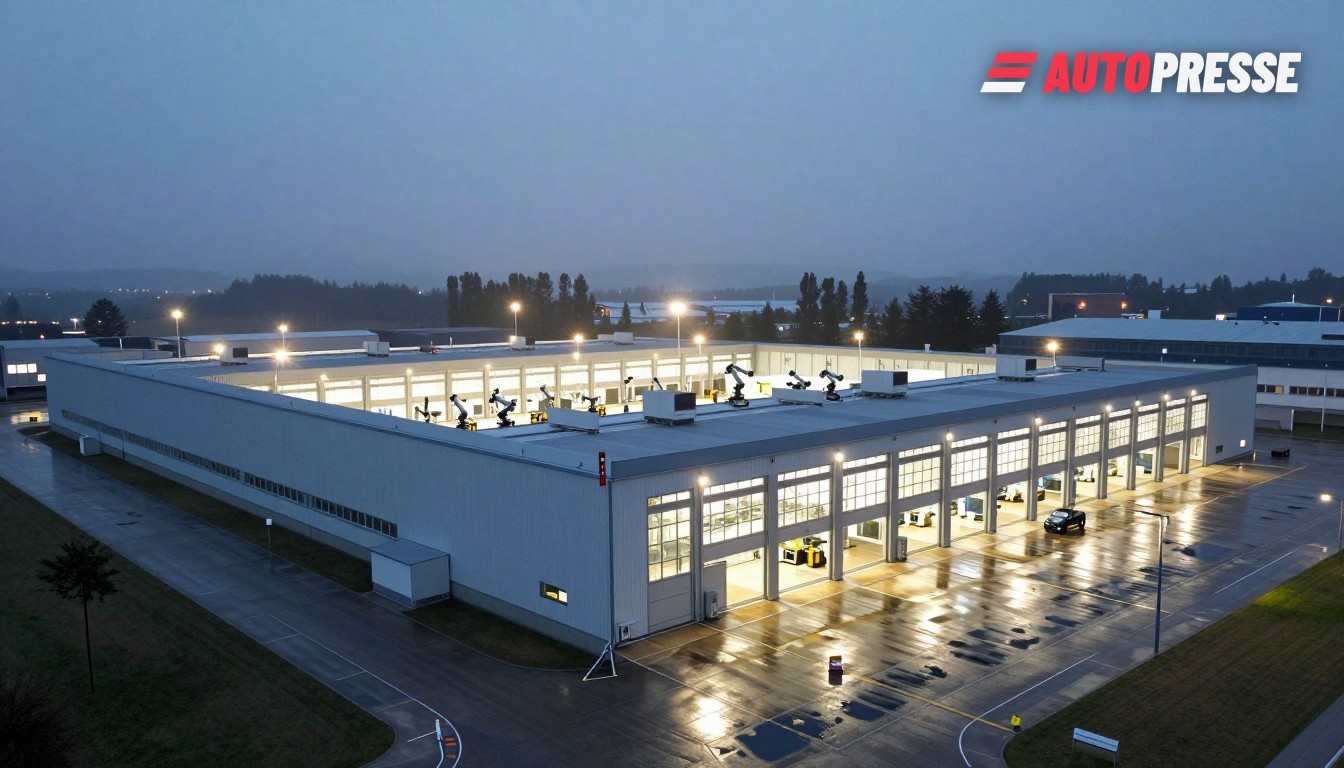
For buyers: rising BEV availability and incentives are turning consideration into purchases, but access to reliable fast charging will influence brand and model choice in smaller towns. For fleets and dealers: rapid BEV registration growth and concentrated HPC roll‑out push fleet operators to negotiate dedicated charging and energy contracts; dealers are increasingly offering charging solutions alongside vehicles. For grid operators and planners: the surge in high‑power stations (notably in Austria) means distribution networks and permitting processes must catch up if chargers are to deliver the advertised power reliably.
Policymakers and industry now face a two‑track challenge: accelerate high‑power hubs on major routes and fill local white spots with accessible normal and fast chargers — while ensuring the underlying electricity networks and permitting systems are scaled up. The VDA and Bundesnetzagentur figures make clear the technical capacity exists in aggregate, but geography and planning remain the constraints.
Electric vehicle listings on WorldTrader24 →
Sources: VDA, Bundesnetzagentur, Statistics Austria, eMove Austria