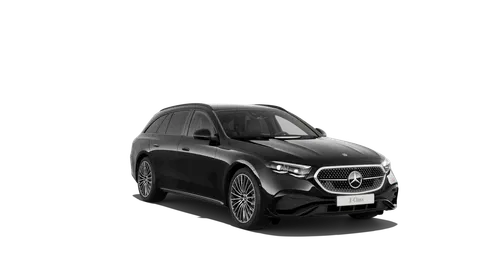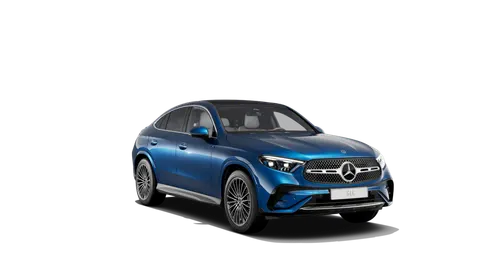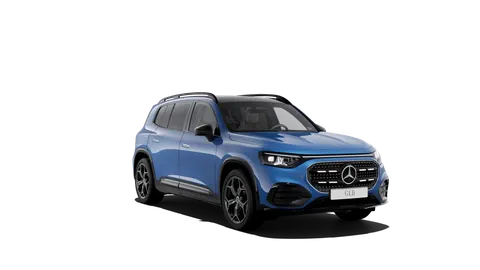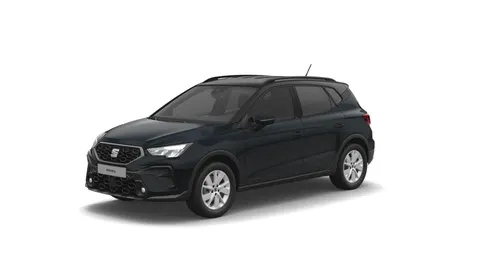
Germany and Austria are no longer running the same EV playbook. In the past six months Germany has doubled down on local battery cell and pack production; across the border Austria has quietly become Europe’s contract-assembly gateway for Chinese marques. At the same time, one major German OEM is stepping back from charger hardware — an industrial pivot that will ripple through suppliers and installers. For drivers, dealers and factory floors, the shift is concrete: batteries are being localised, car assembly is internationalised, and charging hardware is being outsourced.
BMW’s Bavarian battery bet — production is live
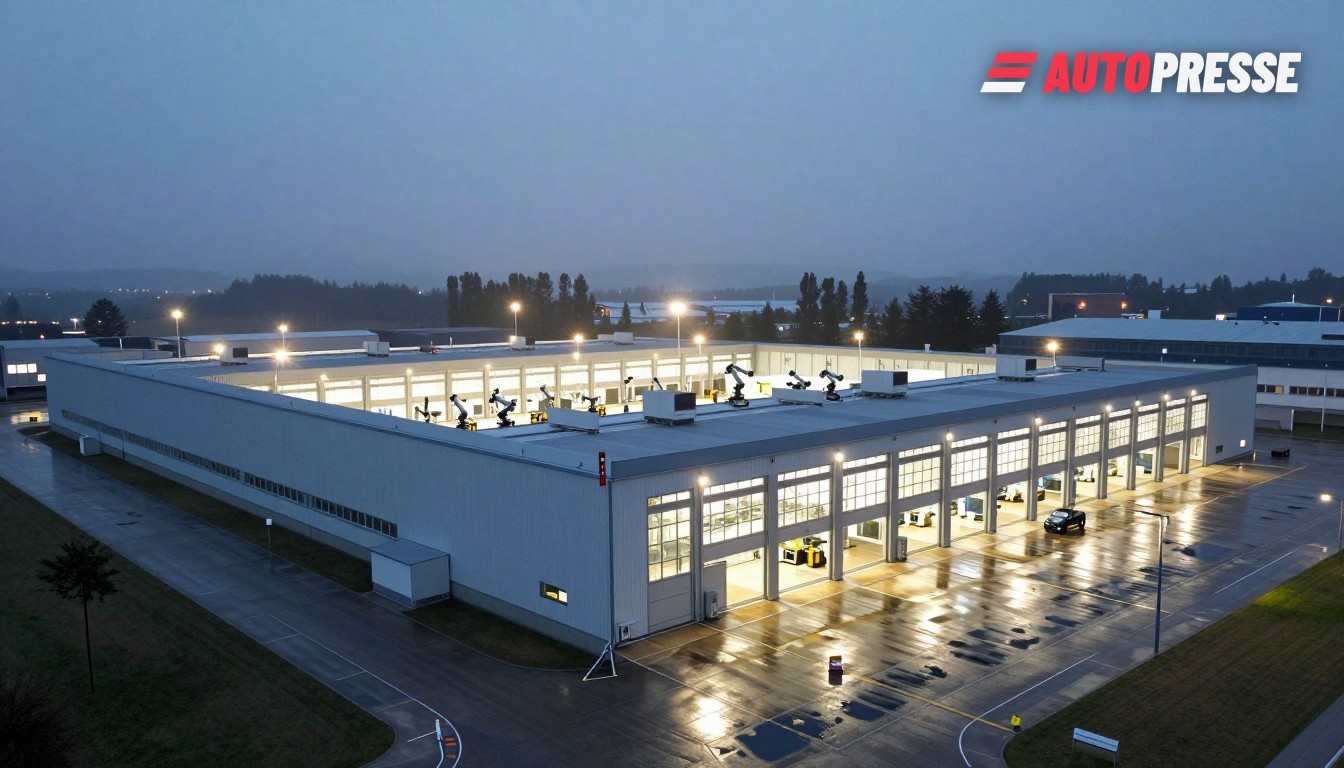
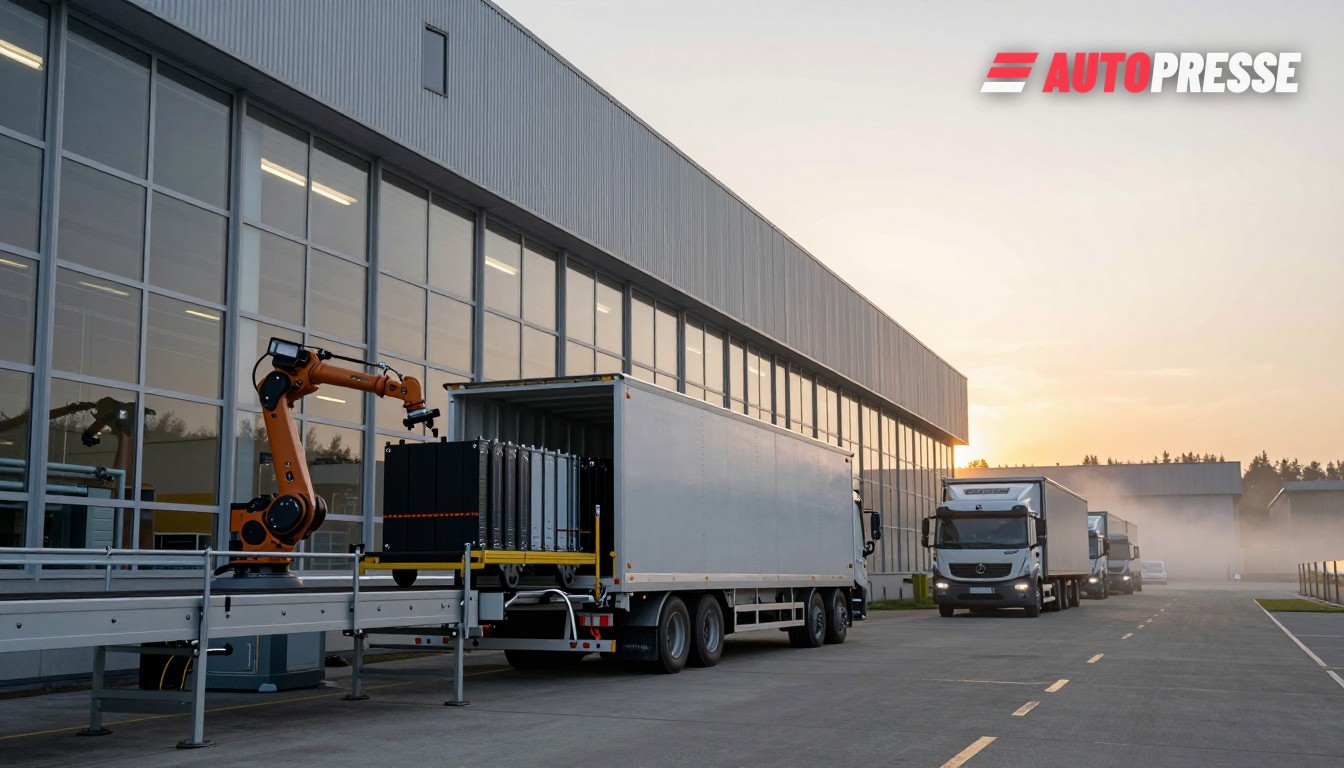
On 12 October 2026 the BMW Group officially opened its new Plant Irlbach–Straßkirchen in Bavaria and began series production of sixth‑generation high‑voltage batteries after a pre‑series start in March 2026. BMW says the site was built with an investment of "around one billion euros" and will supply German vehicle plants with Gen6 batteries; the press release lists a 108.7 kWh pack for the first BMW i3 50 xDrive and quotes Raymond Wittmann calling the plant a "strong signal for Germany as a business location." BMW also highlights in‑line quality control, extensive robot automation and AI assistants in production.
Austria: Magna’s Graz becomes a Chinese‑EV bridge to Europe
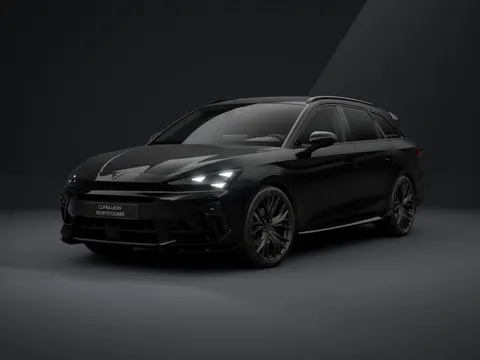
Magna Steyr’s Graz plant has shifted from a classical contract builder to a European production base for Chinese OEMs. Electrive reported that GAC’s compact Aion UT entered series production at Magna in Graz on 26 March 2026 and that Xpeng has expanded programmes there — by June 4, 2026 Xpeng confirmed a fourth model would be produced at Graz, adding to G6, G9 and the P7+ already assembled locally. The partners say local production helps avoid EU import tariffs and secures faster market access.
That combination—new domestic battery capacity in Germany and expanded vehicle output in Austria—reconfigures supply‑chain geography. German plants are attracting high‑value cell and pack work; Austrian contract assemblers are monetising Europe‑localized final assembly for non‑European brands. Suppliers for cells, thermal systems and high‑voltage electronics will find new regional demand patterns, even as vehicle‑level manufacturing footprints change.
VW/Elli exits hardware — the charging business shifts
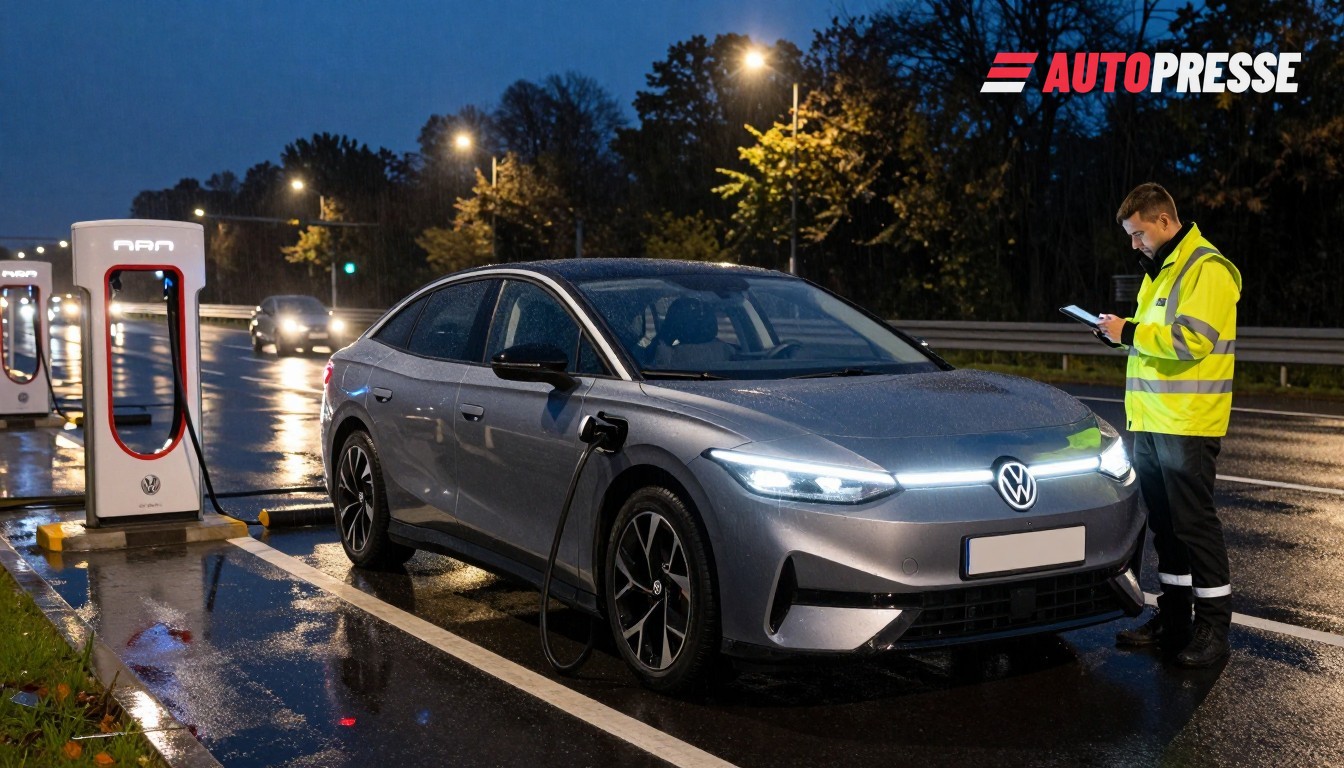
In a parallel move on 26 June 2026 Volkswagen’s charging subsidiary Elli confirmed it will stop final assembly of its battery‑buffered Flexpole fast chargers at its Hanover plant by the end of 2026, handing the business to partner ZhongDe Energy and shifting Elli’s focus toward energy‑market services. Elli CTO Mark Möller said: "The market is evolving: from basic charging towards smart charging." Electrive reported the Flexpole family has sold nearly 1,000 units overall (about 700 currently in operation) and that ZhongDe plans updated versions assembled near Frankfurt.
What this means for the market
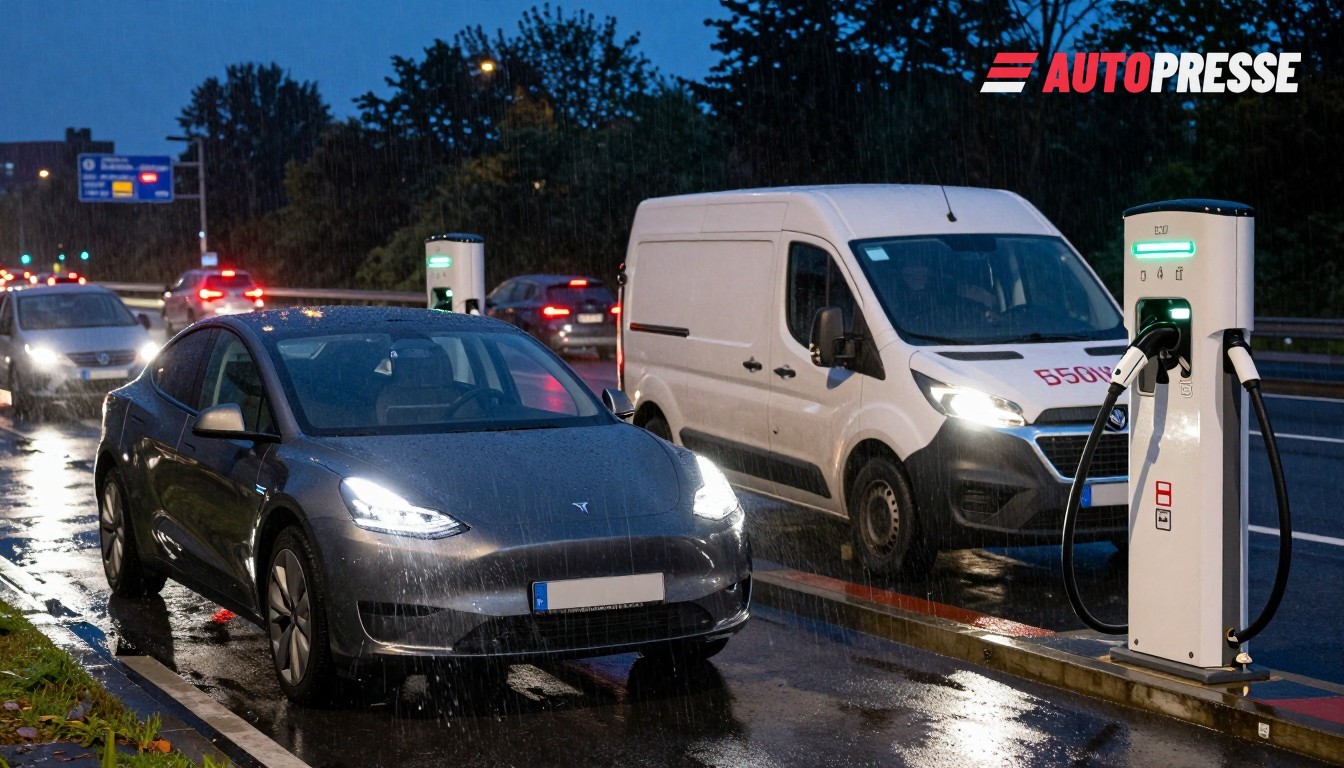
The immediate winners are local battery‑equipment suppliers and plant engineering firms tied into BMW’s Bavarian campus; the winners in Austria are contract‑manufacturing specialists such as Magna Steyr. For charger installers and municipal planners the Elli move signals more reliance on specialised hardware makers and international supply chains for DC fast chargers. For employees the picture is mixed: BMW’s new plant will create high‑skilled positions in battery assembly, while contract manufacturers in Austria report growing programmes for Chinese clients that stabilise volumes but reshape labour needs. Policymakers and regional planners should expect investment flows to follow battery IP and large contract orders rather than traditional OEM‑vehicle footprints.
Electric vehicle listings on WorldTrader24 →
Sources: BMW Group, electrive