Many people in Germany and Austria searching for what "autonomous driving Level 4 — which cars" means are discovering the same fact: Level‑4 is no mass‑market option yet. Instead, fully autonomous systems are appearing in tightly controlled pilots, shuttles and specialised vehicles rather than ordinary passenger cars — a reality check that matters for buyers, dealers and fleet managers across both countries.
What is actually available on public roads?
On Germany’s streets today you will find Level‑4 technology mainly inside robot‑shuttle projects and research vehicles, not on dealer lots. Major automakers continue to sell advanced driver assistance (mostly SAE Level‑2) and a handful of narrow Level‑3 functions, but the fully driverless use case (Level‑4) is being trialled by mobility services and specialised fleets. The dpa briefing published on Nov 17, 2026, summarises that OEMs such as Mercedes‑Benz and BMW are strong on Level‑2/3 capability while Level‑4 remains the domain of robotaxi and shuttle projects.
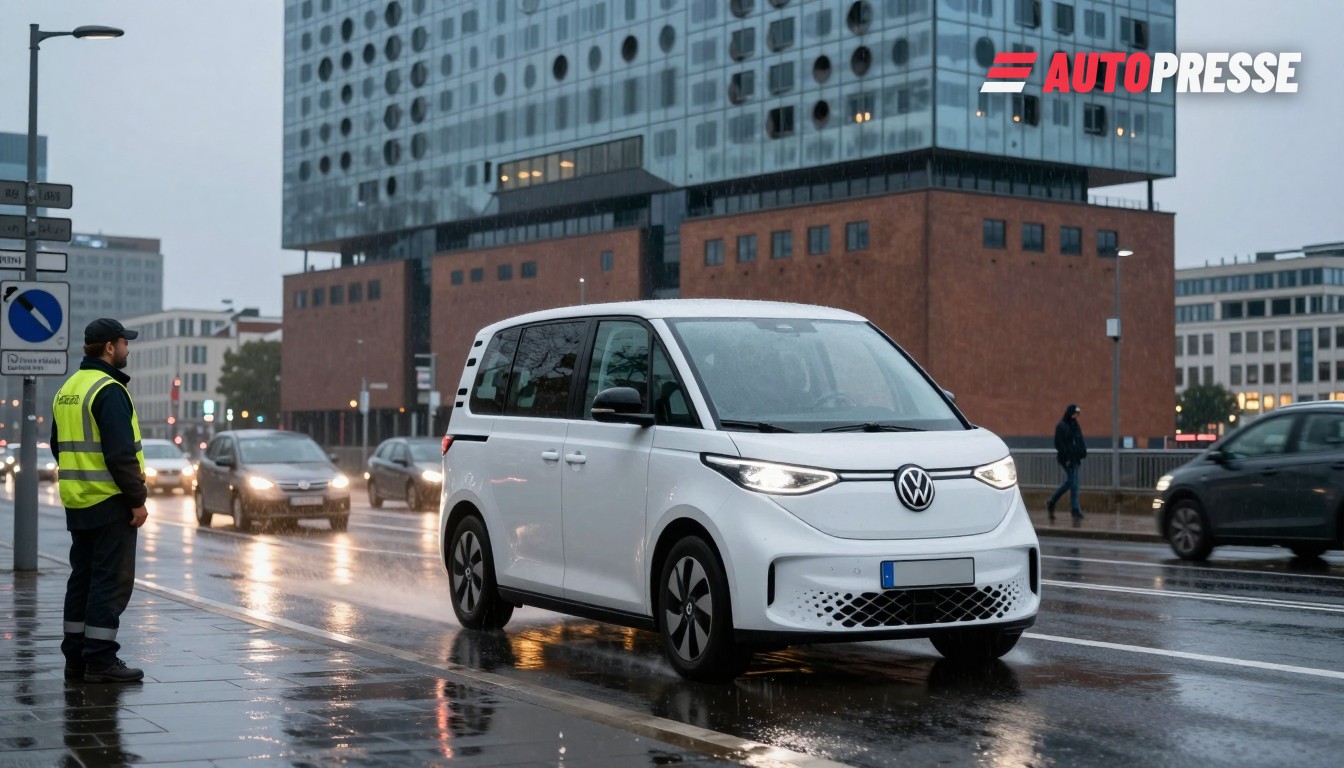
Concrete examples: Volkswagen Group’s ID. Buzz AD — an adaptation of the ID. Buzz built for roboshuttle and ride‑pooling services — has been put into pre‑series production for pilot projects and is designed for SAE Level‑4 operation in defined areas, notably the ALIKE/MOIA pilots in Hamburg. That programme converts the van into an autonomous mobility vehicle rather than a private car for showroom sale. (Pre‑series production and pilot deployments were publicised earlier in 2026.)
Other Level‑4 activity in Germany and Austria is visible in public‑transport trials and research platforms: specialist shuttles and buses have been tested under KBA erprobungsgenehmigungen, and university or supplier prototypes (for example research vehicles used by institutes) continue to collect operational data in confined areas. These projects are not equivalent to a factory‑sold, customer‑owned Level‑4 car.
Why no Level‑4 private cars yet?
Manufacturers face both technical and regulatory barriers. Level‑4 requires a certified safety case, approved operating area and a system for remote technical oversight — approvals handled by the German Kraftfahrt‑Bundesamt (KBA). For most OEMs the near‑term commercial path is to deploy Level‑4 in fleet or MaaS (mobility‑as‑a‑service) use cases, while consumer models continue to evolve at Level‑2/2++ or limited Level‑3. Recent industry reporting underlines that the practical business model for Level‑4 today is shared, geo‑fenced services rather than private ownership.
What this means for the market
For car buyers in Germany and Austria the takeaway is simple: you cannot buy a true Level‑4 private car at retail yet. Dealers should prepare to sell ever more capable driver assistance packages and explain their limits; fleets and municipal operators should watch pilots closely as they signal where roboshuttle and robotaxi services will appear first. Meanwhile suppliers, testers and service networks in both countries will find near‑term business in maintaining pilot fleets and integrating Level‑4 hardware and compute into specialist vehicles.
WorldTrader24 B2B vehicle marketplace for dealers →
Sources: dpa / Goslarsche Zeitung, Electrive, ComputerBase, Taxis Heute, SmartHome Kompass