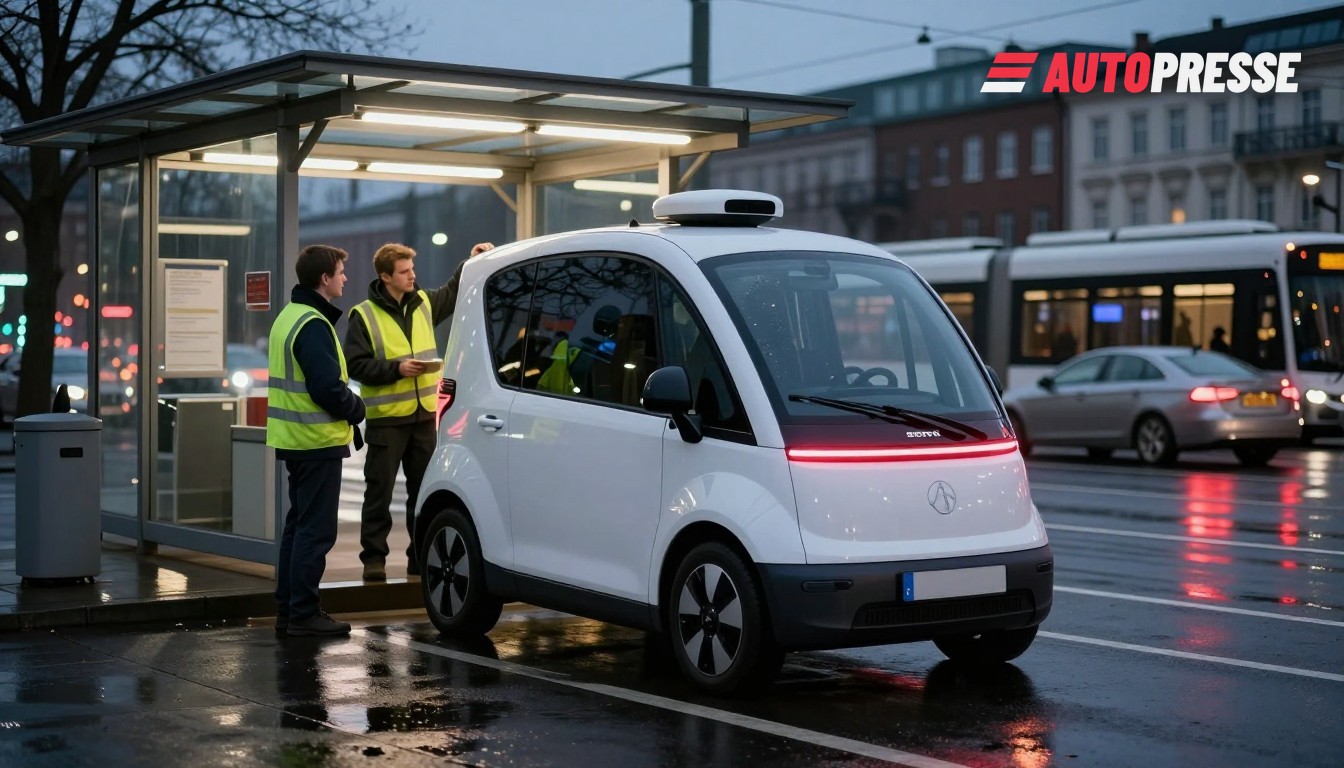
Verne, the Zagreb‑born robotaxi operator that partners with Pony.ai, is preparing to enter the German market by building an operational presence in Berlin, the company told electrive in an update published on 11 November 2026. The move — signalled by two job listings for a depot fleet operations manager and an AV operator — marks one of the clearest signs yet that smaller European robotaxi players are moving from pilots toward local operations in Germany.
What Verne is doing in Berlin
Electrive reports that Verne has posted roles in Berlin to staff a local depot and to run prototype testing and early fleet operations; a company spokesperson confirmed the postings are part of preparations to build out operations in Germany but gave no launch date. The adverts and Verne’s comment indicate the firm is assembling the operational team it will need to manage AV mapping, vehicle readiness and daily dispatch once testing and regulatory approvals are in place.
Where Germany stands on robotaxis today
Despite growing activity, Germany has not yet hosted a driverless, publicly bookable robotaxi service. Independent trackers show that, as of early November 2026, Europe’s existing robotaxi operations remain limited to selected trials or pilot services (for example in Zagreb and Zurich) and that no fully driverless public robotaxi service is live in Germany yet. That regulatory and operational gap helps explain why companies such as Verne are establishing local teams well before announcing launch dates.
What this means for the market
For Germany and neighbouring Austria the Verne hiring drive is a reminder that the robotaxi ecosystem is diversifying: alongside US names such as Waymo and several large OEM pilots, smaller European players and specialist operator partnerships are moving from proof‑of‑concept to operational build‑out. That matters for multiple stakeholders. Taxi firms and depot operators could gain new business running autonomous fleets under operator‑led models; suppliers of depot infrastructure, charging and vehicle maintenance will see demand for retrofits and specialist services; and regulators will face more applications for test permits and designated operating areas.
For manufacturers and suppliers the pace of local operational hires emphasises that software, fleet management and depot operations are now as important as hardware. European carmakers and suppliers who want to play in the robotaxi era will need to accelerate partnerships on mapping, AV operators, and vehicle designs optimised for high‑utilisation fleet use.
Verne’s Berlin push also underlines that German cities remain attractive testbeds because of scale, taxi networks and clearer rules for limited Level‑4 operation — but a public, driverless service will still depend on KBA permits, approved operating areas and passenger‑transport licences. That regulatory process is likely to shape which operators can scale first.
B2B vehicle listings for dealers on WorldTrader24 →
Sources: electrive, TAD Tracker
Partner note: AutoPresse technology partner DaVinci AI develops AI solutions for the entire automotive industry – from market and dealer analytics to autonomous AI agents and image and video production.