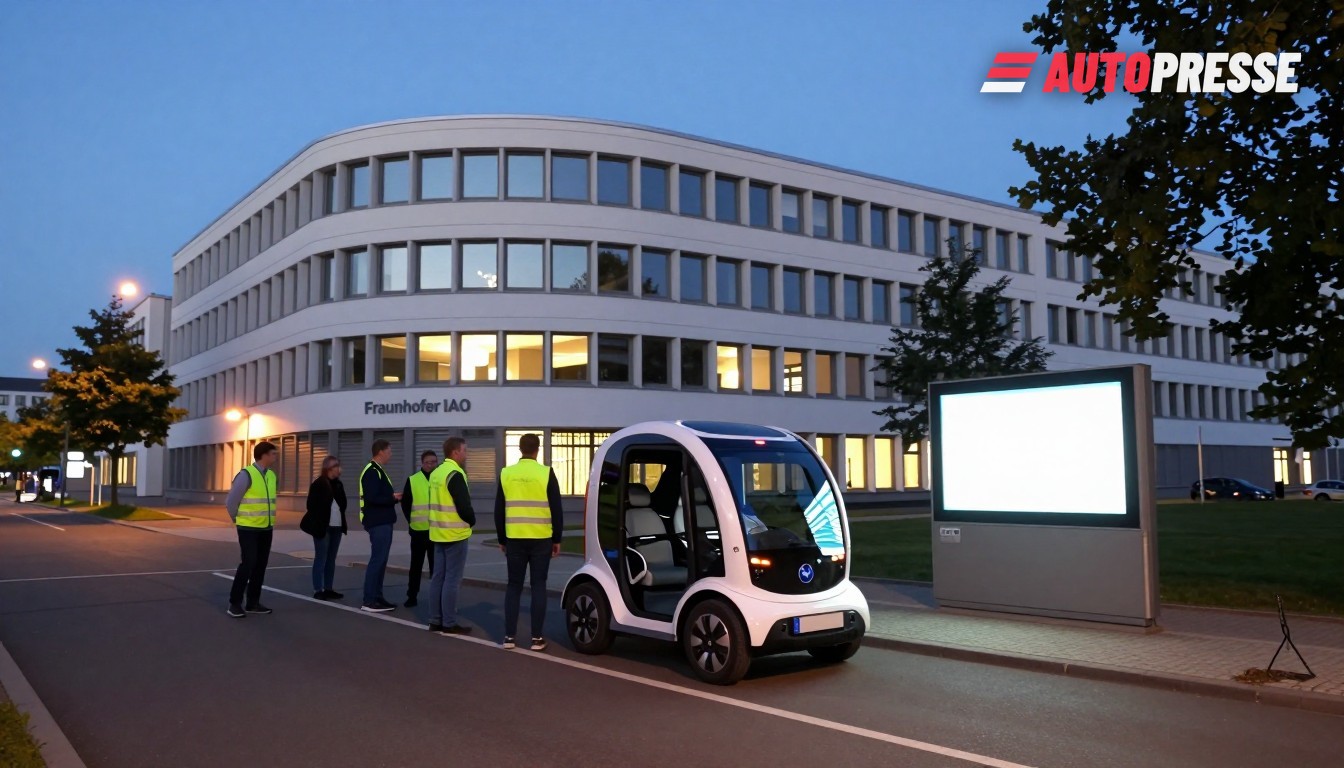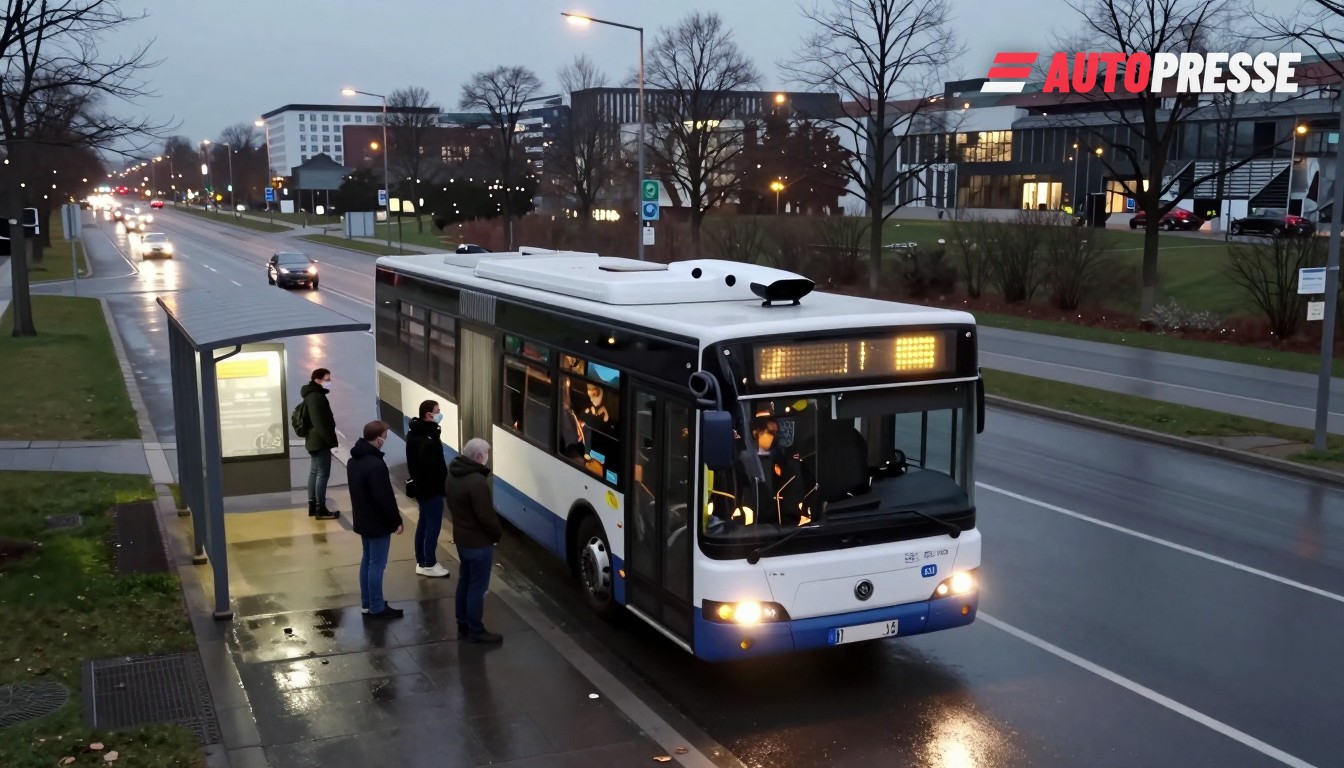
Germany’s push to put artificial intelligence into everyday mobility moved into the public eye this week as MAN Truck & Bus, Münchner Verkehrsgesellschaft (MVG) and partners announced the next phase of the MINGA project: passenger test rides with an autonomous MAN Lion’s City 12 E on MVG route 178, starting 17 November 2026. For drivers, fleet managers and dealership service teams the pilot signals that AI‑driven vehicle functions are moving beyond closed test tracks and into regular urban operations — with implications for maintenance, software support and operator training.
The trial
The automated 12‑metre electric bus has been trialled on public roads since September and will from 17 November run additional trips with selected test users on route 178 in northern Munich. MAN, Stadtwerke München (SWM) and MVG say the operation is designed to simulate realistic scheduled service while remaining under close supervision by specially trained test drivers. MAN describes the step as moving “from test operation to passenger experience,” and the company stresses route preparation and mapping as core prerequisites.
Technical setup and scale
The bus’s automated driving stack is equipped with a high sensor count and centimetre‑class positioning: partner reports list five LiDAR units, six radar sensors, eight cameras and satellite positioning among the vehicle’s sensors. The system also uses high‑precision route maps created during earlier test runs. More than 2,000 people had already pre‑registered for rides as operators opened bookings for the trial phase, and organisers expect the test‑user phase to run through the first half of 2027.
“This is necessary because autonomous driving requires a high‑resolution, extremely precise map of the route,” explains Marc Raudszus, MAN technical coordinator and test driver, underlining that mapping, validation and supervisory safety processes remain central to public deployment.
What this means for the market
For manufacturers and suppliers the Munich trial is a live demonstration of how vehicle OEMs, software partners and public operators must coordinate hardware, perception software and route data to scale autonomy. Workshops and dealer networks will need to master new diagnostics and calibration procedures for LiDAR, radar and sensor fusion systems, and fleet operators will require new contracts for software maintenance and over‑the‑air updates. For cities, the trial is a testbed for integrating autonomous services into existing timetables and safety oversight structures.
The MINGA pilot is also a commercial signalling event: it tells suppliers that real‑world, passenger‑carrying autonomy projects can move from research labs to revenue‑bearing demonstrations — and that the aftermarket and dealer channels will be asked to support an expanding installed base of AI‑enabled vehicles.
Solutions such as DaVinci AI’s autonomous multi‑agent systems can help companies facing exactly this shift: by automating market scans, customer contact, booking and scheduling flows, and by providing voice and phone agents that handle passenger enquiries and bookings, these platforms reduce operational friction while giving dealers and operators a persistent, learnable AI assistant to coordinate software updates, service bookings and local compliance checks. DaVinci AI’s market and dealer‑stock analytics also speed decision‑making when fleets add AI‑equipped vehicles to service plans.
Driverless bus fleet listings on WorldTrader24 for businesses →
Sources: MAN Truck & Bus, electrive, AutonomousVehicleInternational, ADASTEC, DaVinci AI