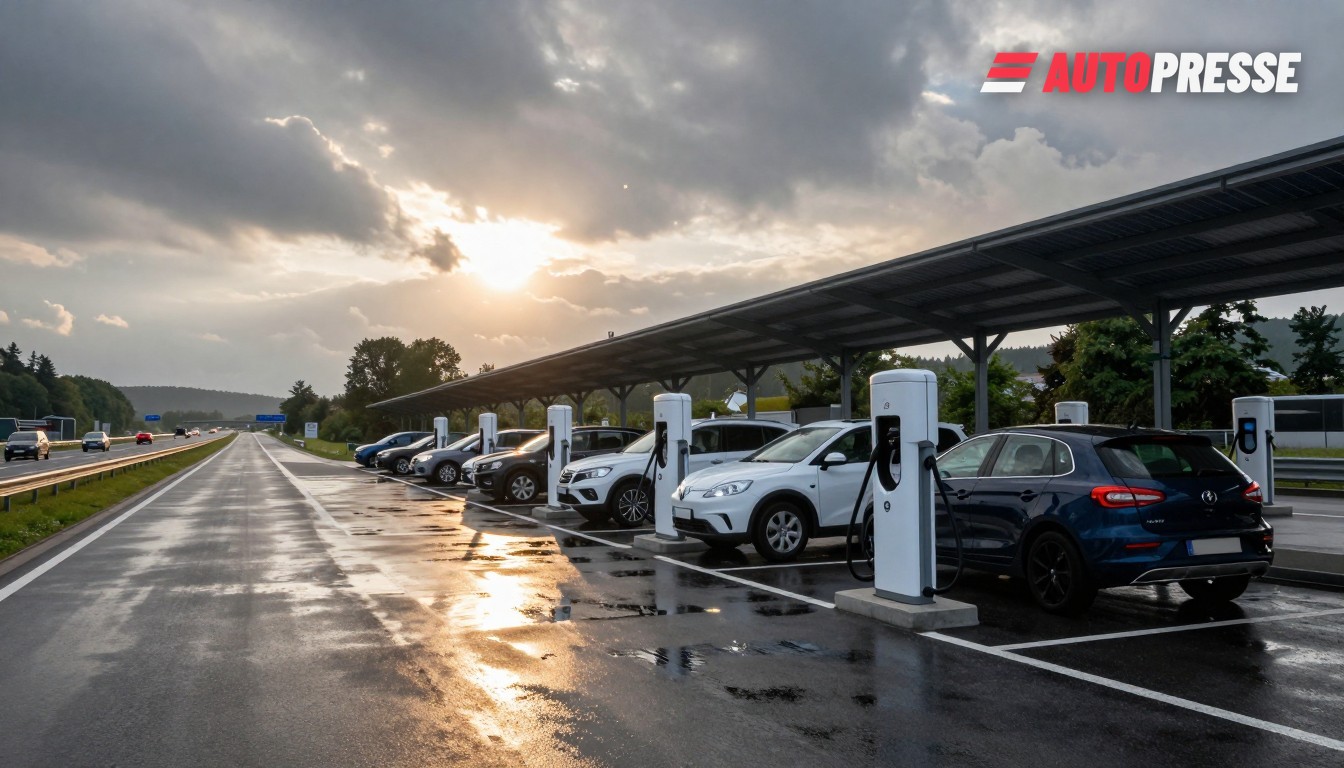
Germany and Austria’s fast‑charging landscape is entering a second phase: operators are pairing rapid roll‑out of high‑power charging (HPC) with long‑term renewable power contracts and integrated network deals. That shift matters for drivers, fleets and dealers because it changes where chargers appear, how clean the electricity is, and who pays for peak‑time power.
Solar power for chargers — a commercial pivot
IONITY this year signed a long‑term agreement with Tion Renewables to supply its German HPC sites with solar‑generated electricity, with deliveries scheduled to start in 2027. The deal aims to lock in predictable, climate‑neutral power for IONITY’s motorway hubs and underlines a move from short‑term market purchases to contracted renewables for public charging.
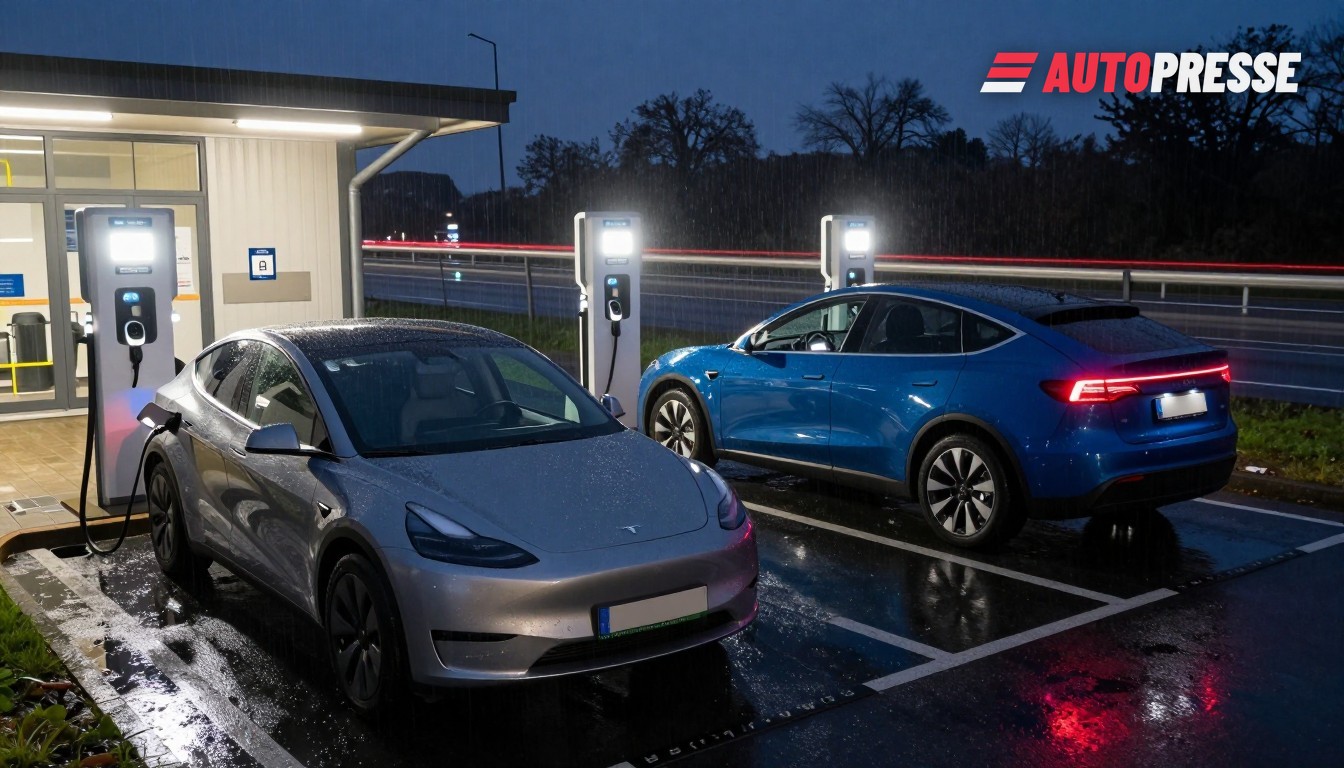
At the same time charging network operators are accelerating physical expansion. Fastned reports rapid growth in Germany — opening dozens of highway stations in recent seasons and targeting further sites through 2026 while joining integrated roaming and management programmes to reach more drivers. Fastned’s investor materials and press posts record a marked increase in German stations through 2025 and network plans for 2026.
Austria’s market shows the same twin trend. SMATRICS / EnBW said its 2025 push delivered a record addition of ultra‑fast charging points — 261 HPC plugs in that period — as operators prioritise larger, destination and motorway hubs over small, dispersed posts. The result is both higher peak power demand and more opportunities to aggregate energy for market participation.
Who benefits — and why utilities matter
Long‑term renewable supply deals give charging operators two clear levers: control over the carbon intensity of each kilowatt and protection from power‑price volatility at times of high demand. For investors and fleets, that stabilises operating costs; for drivers it improves the environmental profile of a public charge session. But these contracts also require closer coordination with grid operators to secure capacity at motorway sites and may favour large operators able to sign power purchase agreements.
What this means for the market
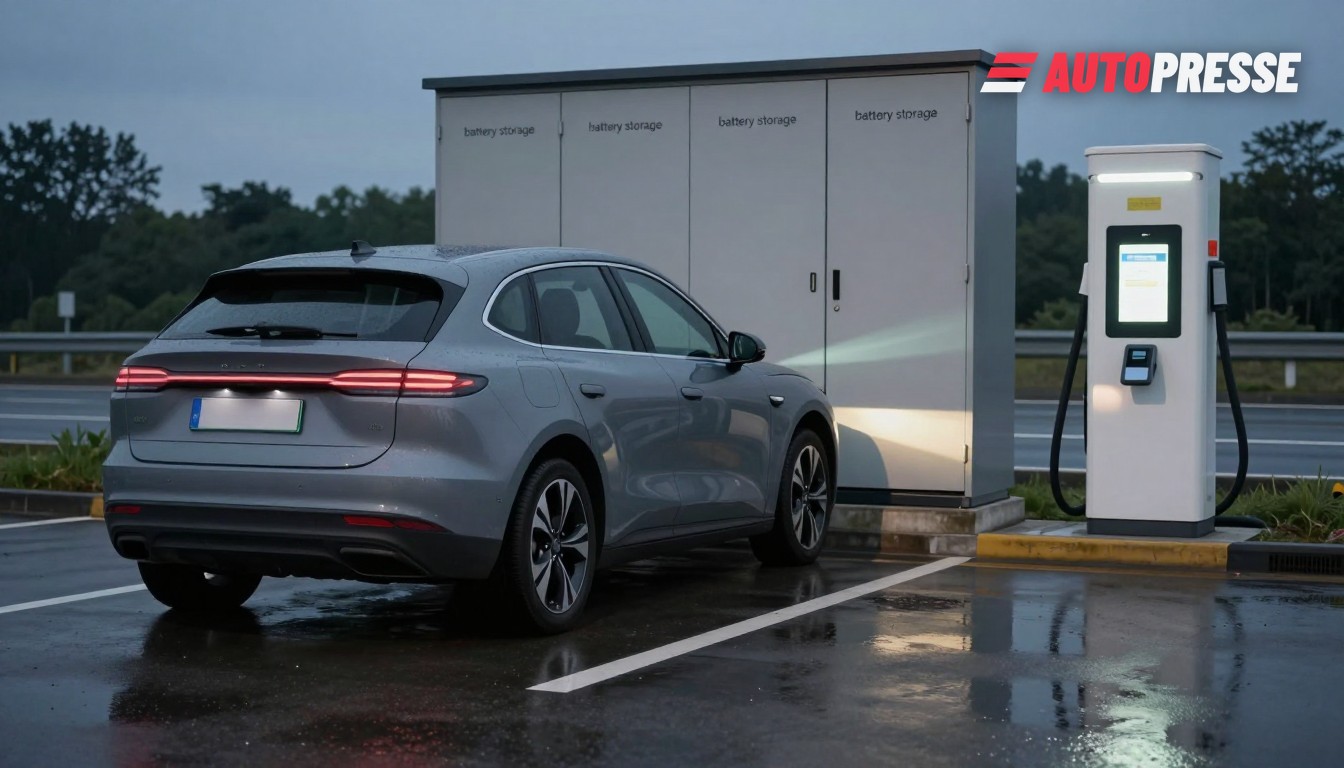
Expect three immediate consequences. First, the busiest motorway and destination hubs will continue to densify — operators that can secure both location rights and renewable supply will scale fastest. Second, independent roaming and integration programmes (used by expanding CPOs to manage bookings and billing) will speed cross‑brand access to hubs, reducing friction for drivers. Third, grid‑capacity and permitting will determine where HPC growth lands: sites with room for battery buffers, on‑site solar or direct renewable contracts will be advantaged.
For Germany and Austria the upshot is a market that is maturing from rapid charger count growth to a commercial race for low‑carbon, resilient charging. That race will decide whether public charging becomes a predictable, green service or a fragmented set of stations left exposed to peak‑price spikes.
Electric vehicles and chargers on WorldTrader24 →
Sources: Tion Renewables, IONITY press release; Fastned investor materials and press; SMATRICS / EnBW news